
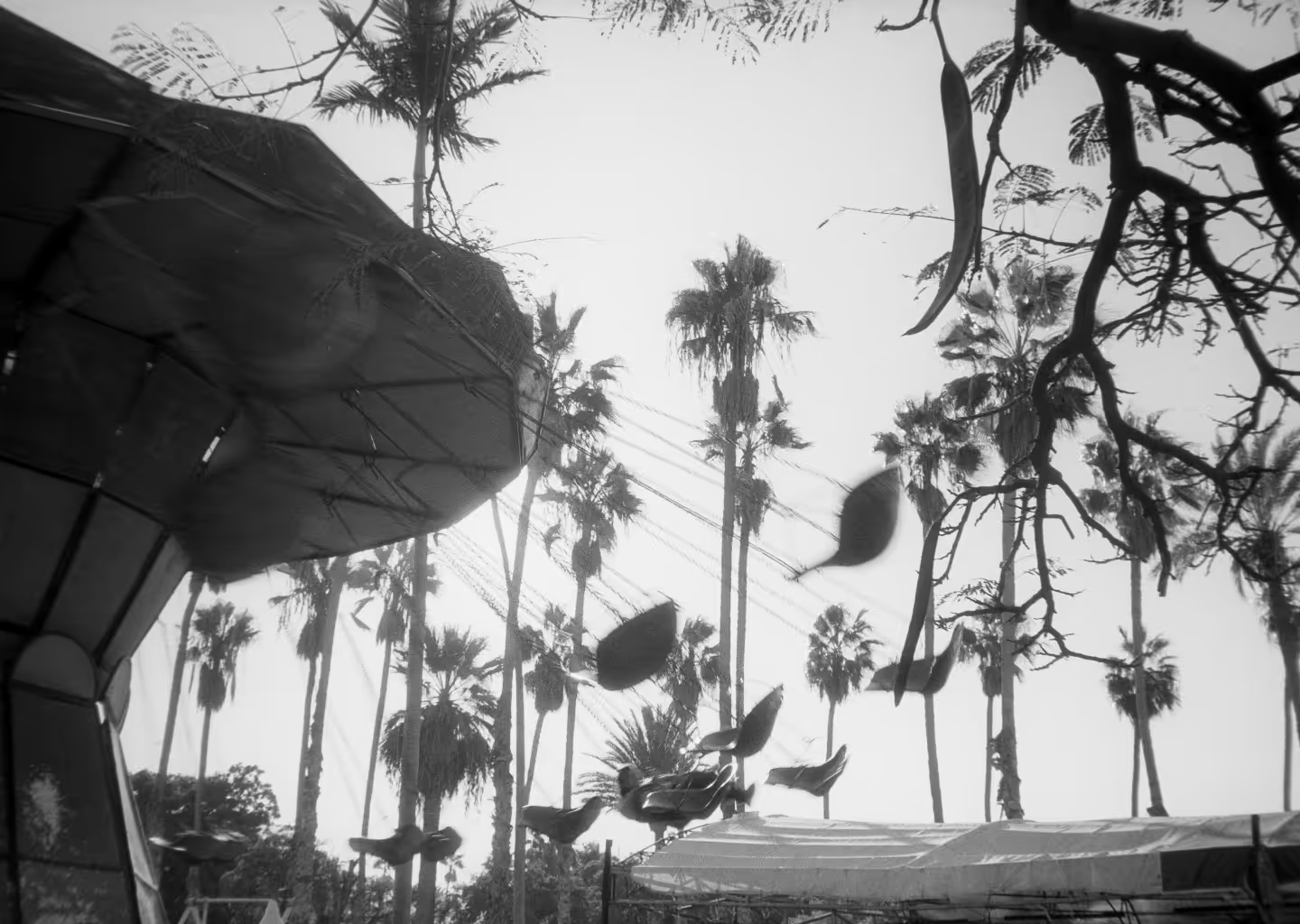
Exploring the Disconnect
Exploring the Disconnect
by Mohamed Abdelrahman
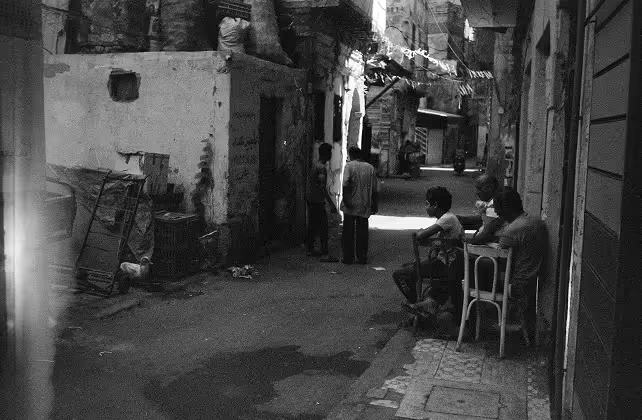

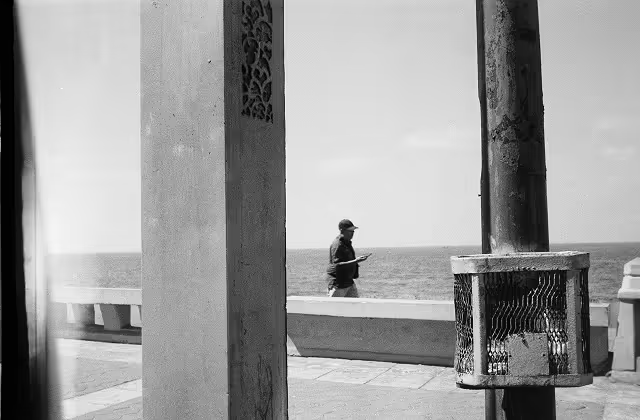

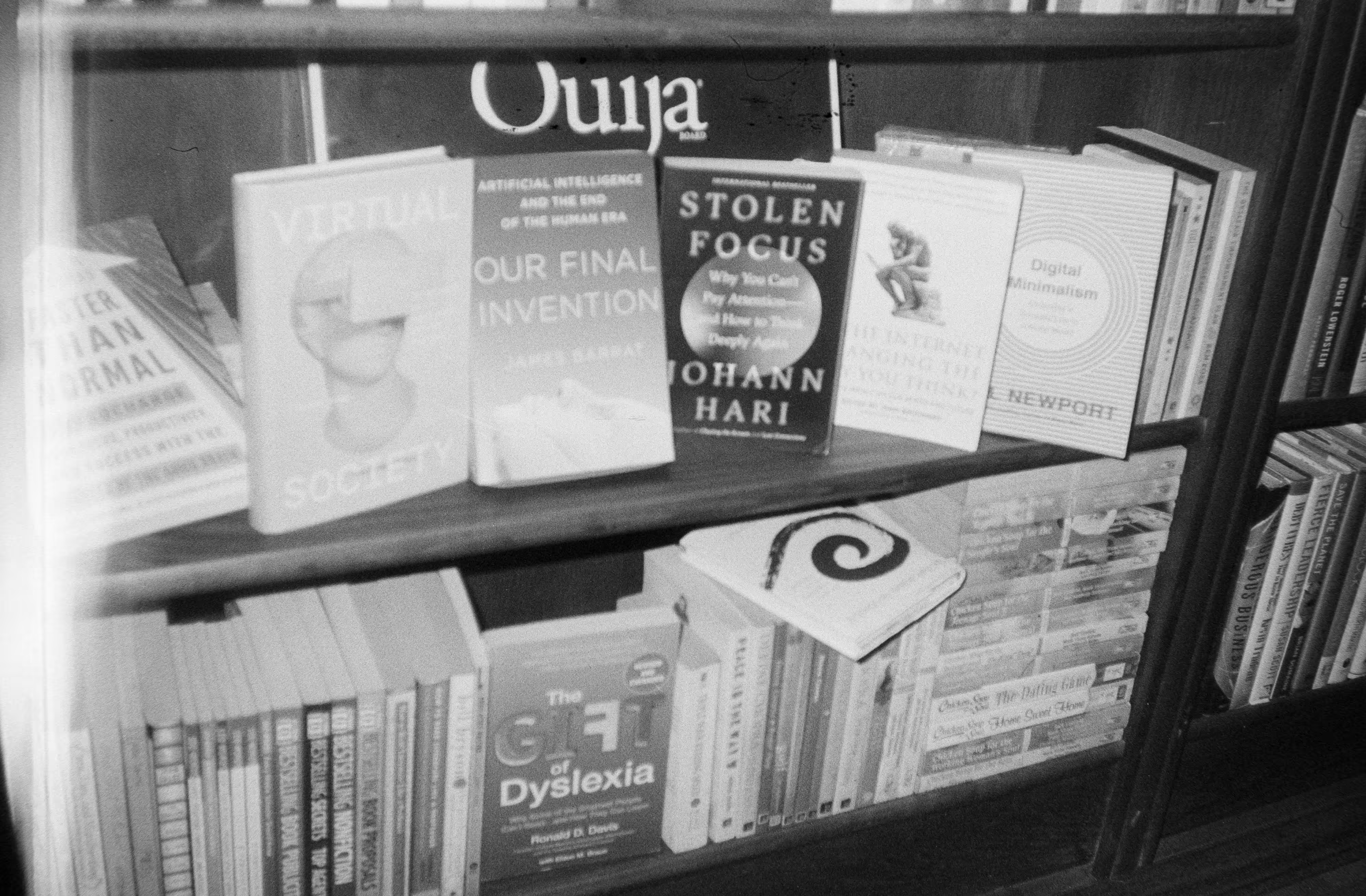
I set out on a street walk with the intention of capturing the integration of technology in our lives. To let the streets guide me. I loaded my expired black and white film from 1996 into my analog camera and wandered into the fast-paced world. Back then, in the late 90s, connection wasn’t immediate. It came in envelopes, scheduled phone calls, and film rolls, not in likes or notifications. There is always something in the spaces we rush through. The only thing required is to slow down, observe, and look for the subliminal signs.
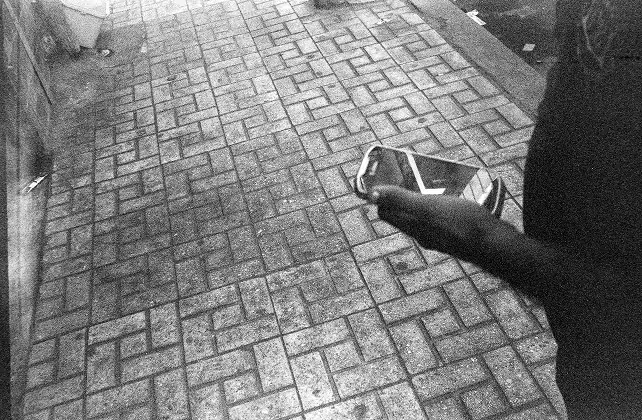
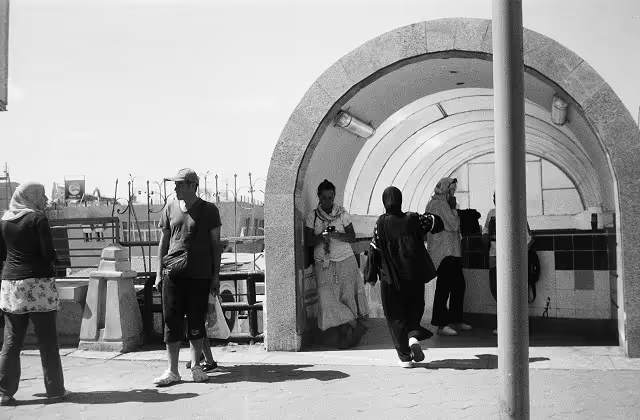
The quiet loneliness surrounding me has spoken to me; people waiting for transportation, their eyes glued to glowing screens. We connect, but in ways that make us feel further apart from the moment. Tied up phone lines, preaching to family, lovers, friends, and communities. The fragile connection is more of a distraction than a deep bond; There’s a friendly familiarity, reminiscent of a chatting device. A call from a familiar voice could ease the anxiety of loneliness, even in the safest & busiest places. My father was far, far away, a distant voice that echoed only occasionally, yet it brought so much joy and comfort to his upbringing.
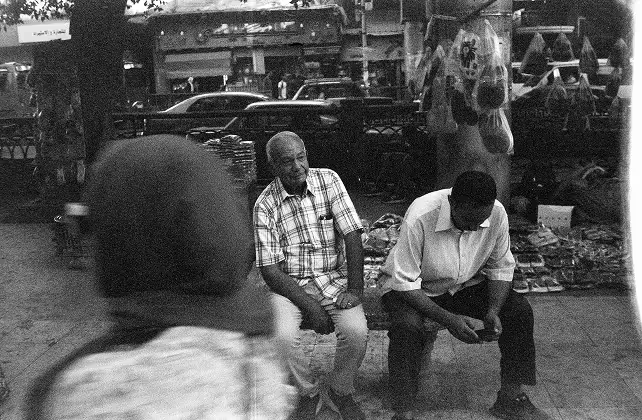
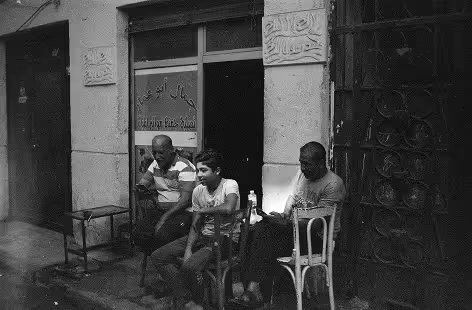
As I walked deeper into the city, watching people like characters in my story, two elders sat on their phones, each absorbed in their own digital world, while a young boy was hyper fixated by a duck, in a way that is almost meditative.
Then, I came across a PlayStation café. The only light source was the bright screens from TVs as the loud noises filled the air, as groups of youngsters gathered around the screen like moths to a light bulb, taking turns on a racing game. This looks like community and connection through a screen; the machine was just a tool to bond and build friendships. This is what their world looks like, screens and virtual spaces that feel like connection.


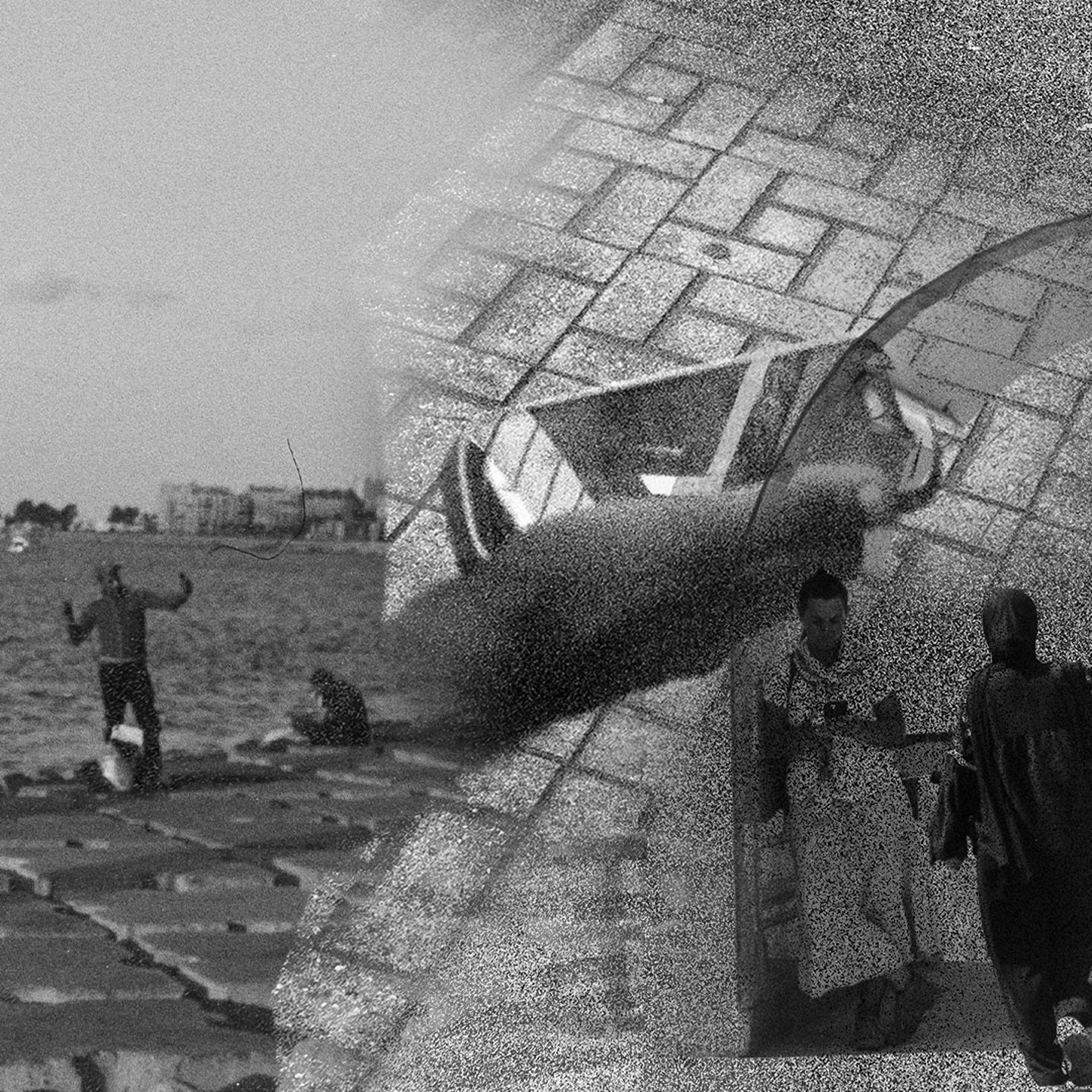
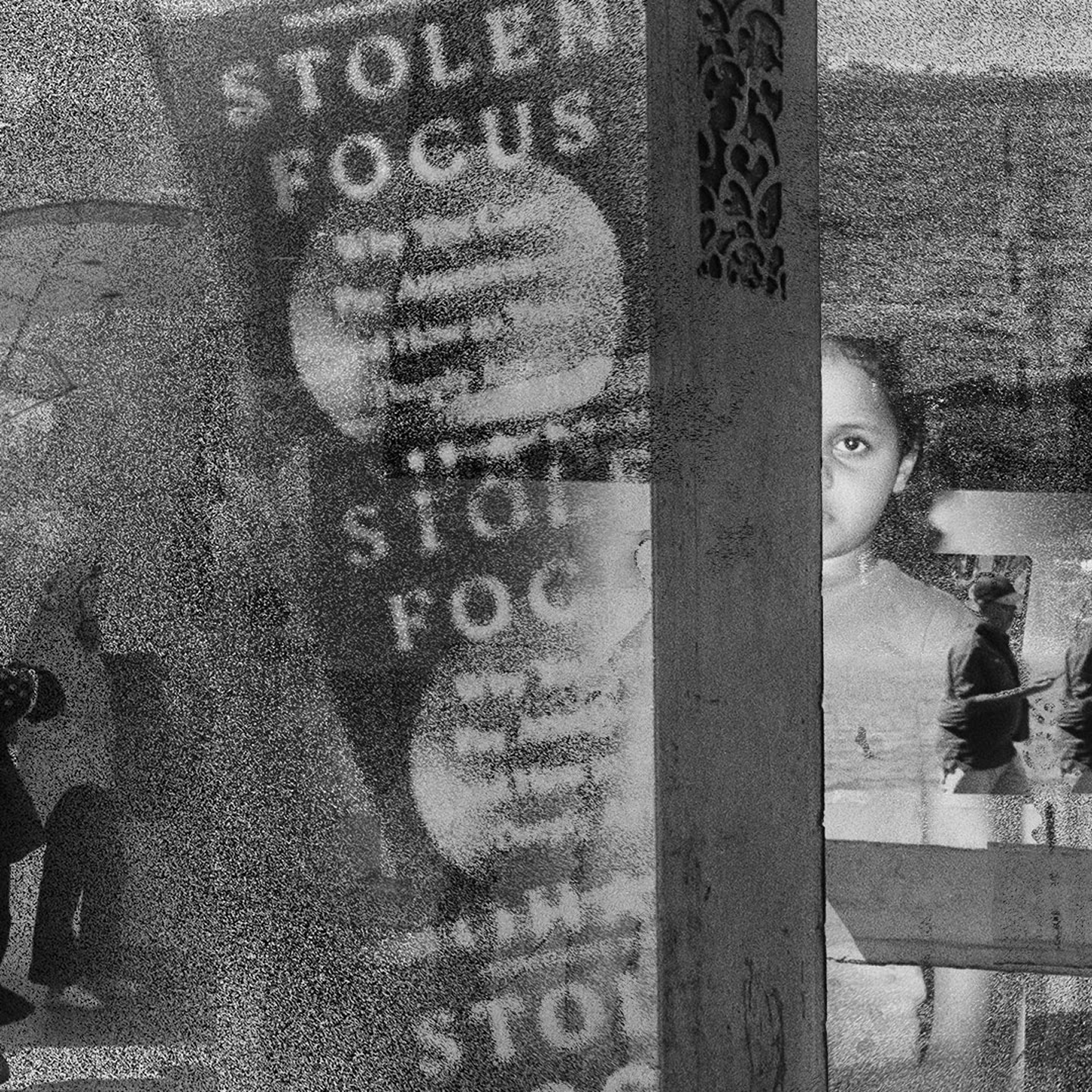
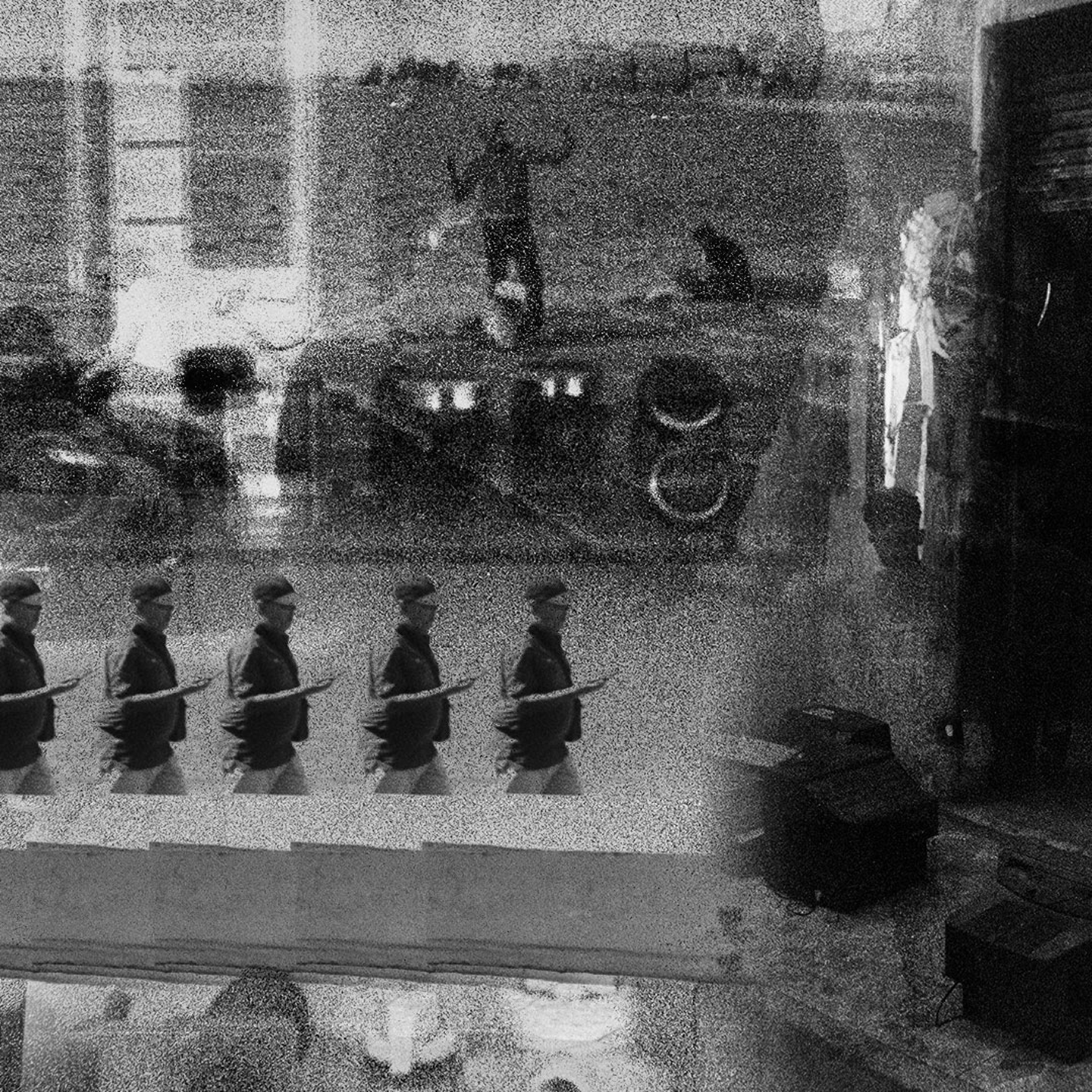

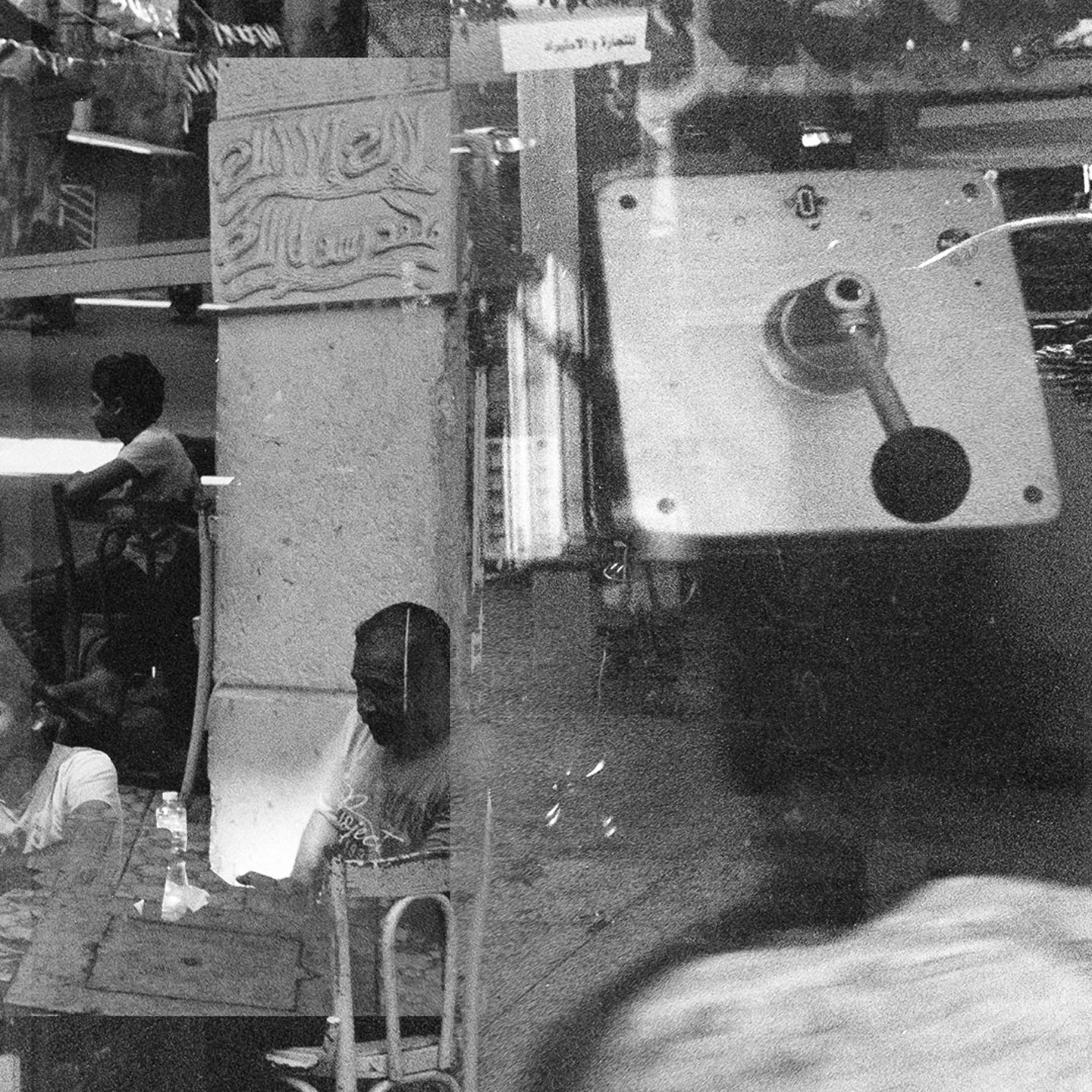
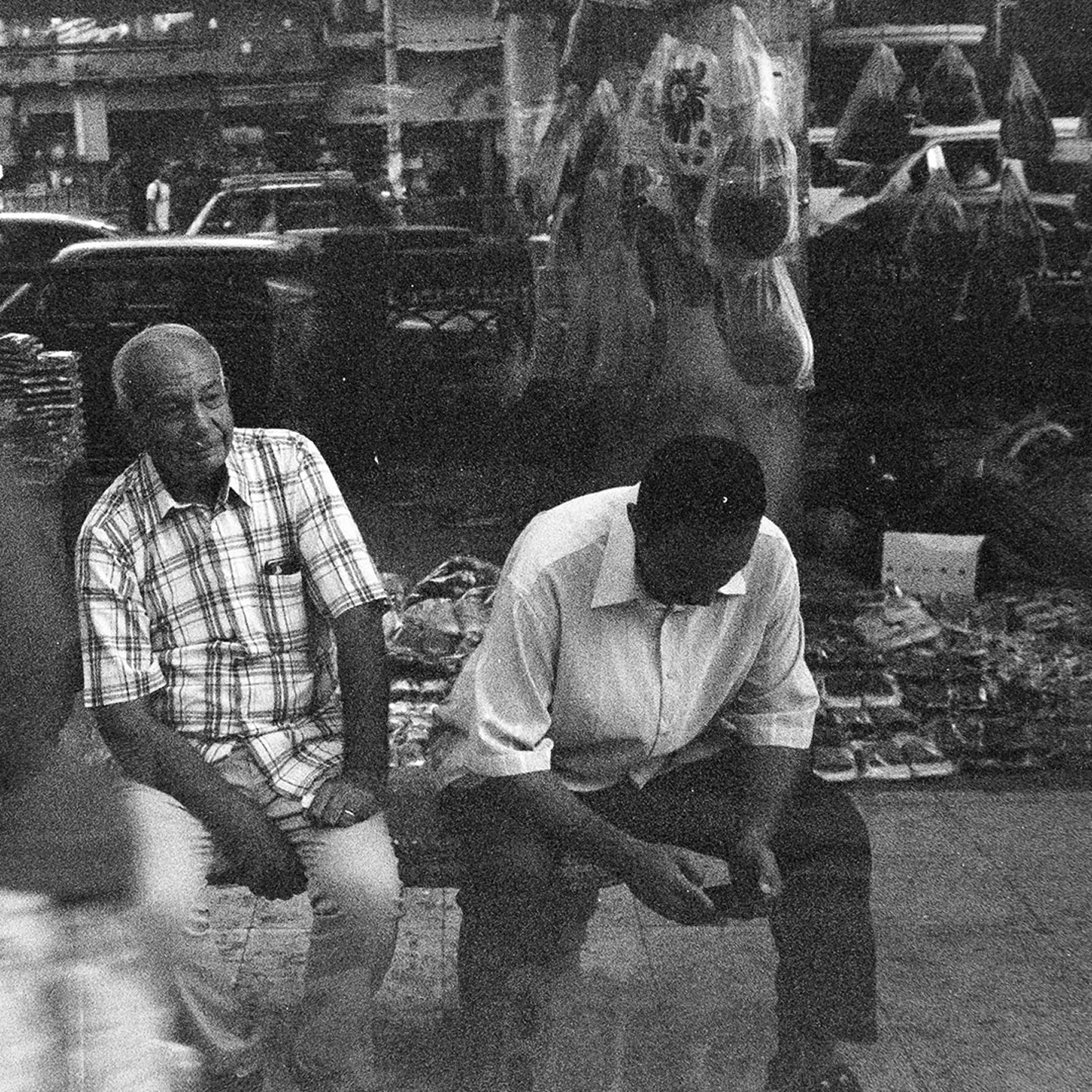
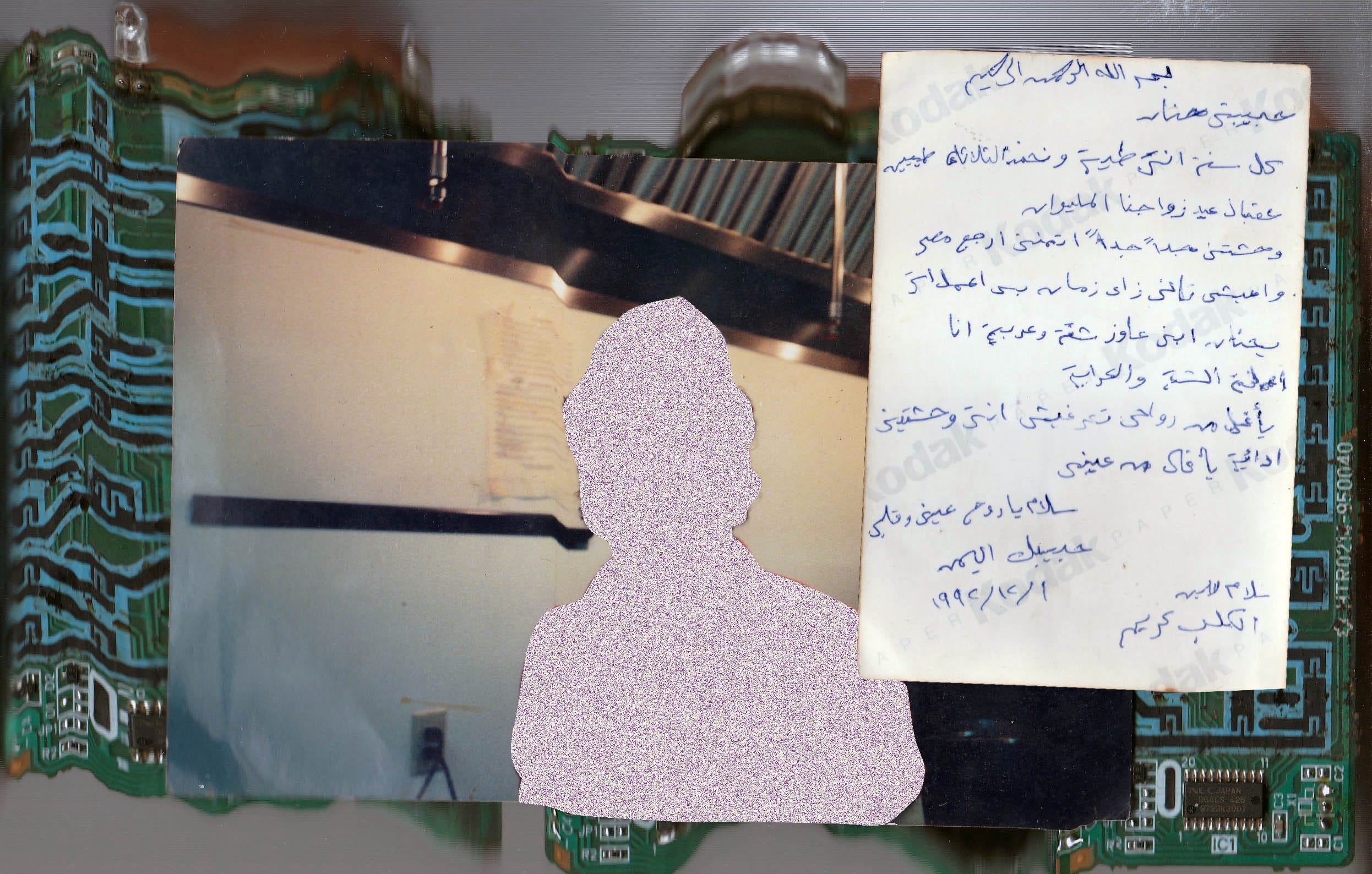
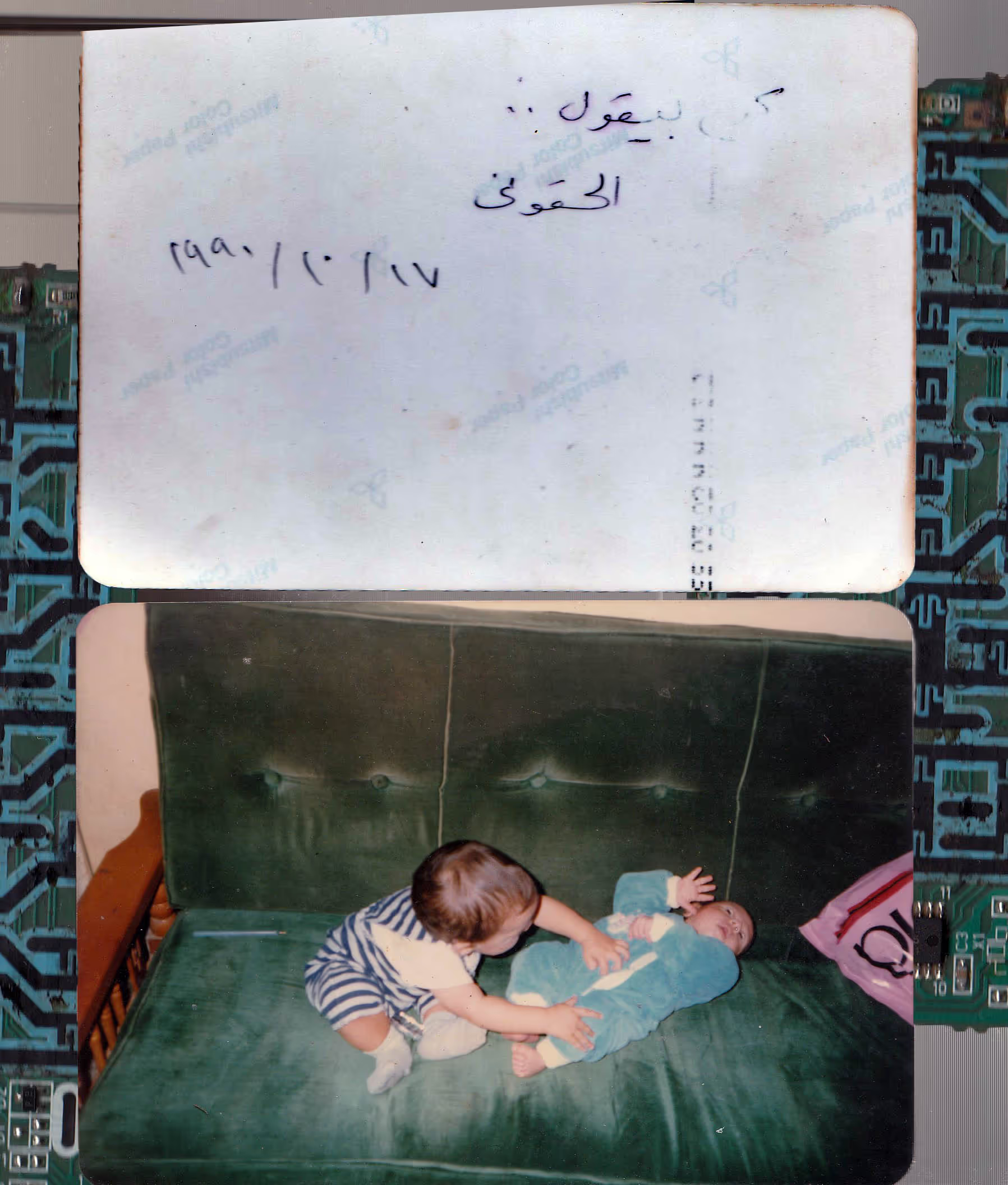
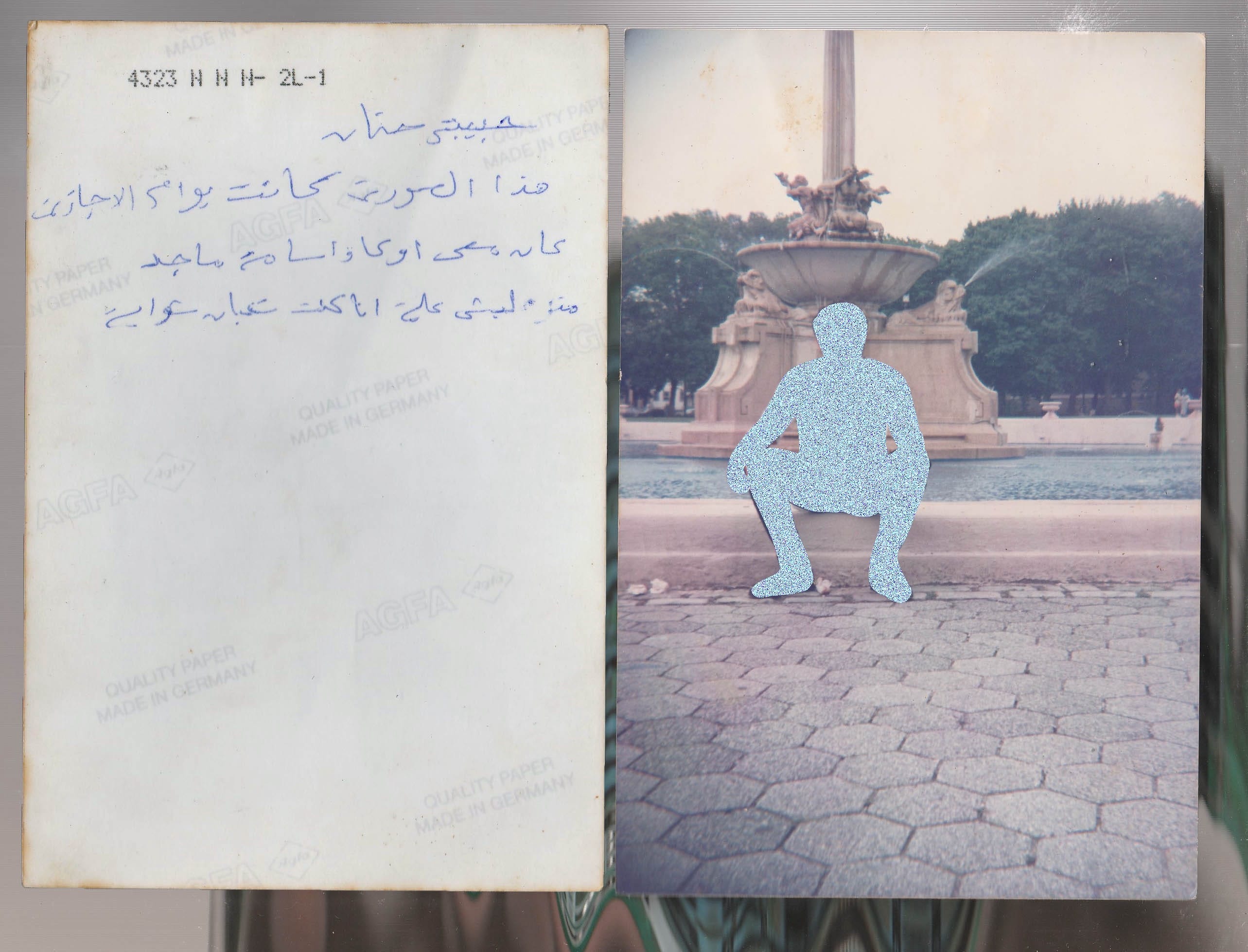
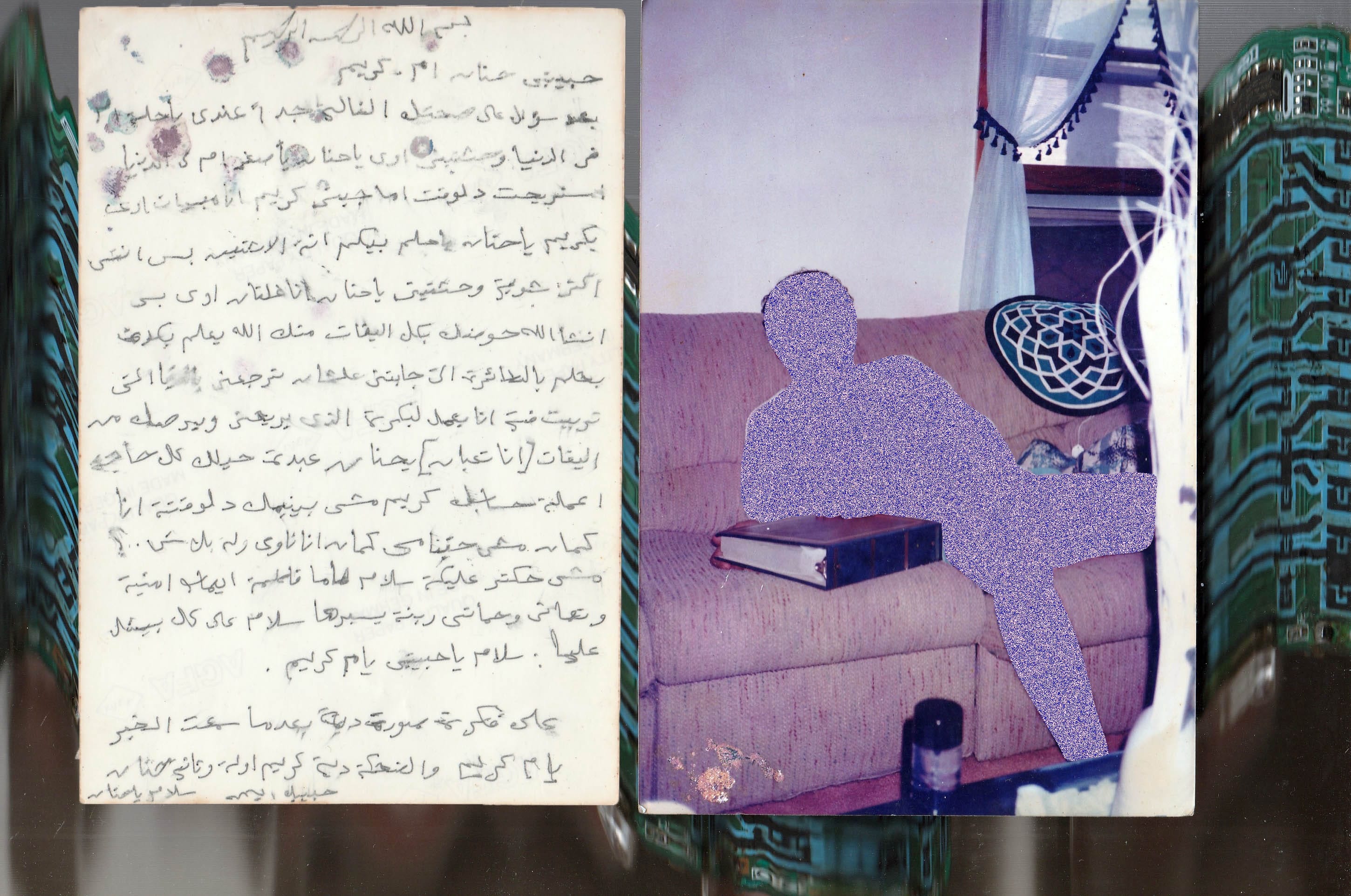
While reflecting on how my mum used to capture our moments of laughter and playfulness with her film camera to mail them across the sea to my father, it was wrapped with warmth and simplicity. He would reply back with pictures of his travels, his days, with long emotional captions written on the back.
My path continued till I found myself in front of a small shop, filled with piles of old, broken TVs.
An elderly man sat amidst them, almost as if he was guarding what was left of broken screens. I could not help but reflect on the contrast of these two places in the same street, as the old man asked what I was doing while we were having a little conversation about the project, and the urgency of being disconnected from the real world was acknowledged.
These were once the technologies that brought people closer, yet now they are discarded. The realization that we have gone from connecting through simple joys like board games and hide and seek to losing ourselves in the glare of flashing lights and notification sounds. We long for that version of life, where laughers echoed through the playgrounds and we ran wild, unburdened, untied to the glowing screen.
The street spoke again:
Bright screens attract people
Broken ones are left behind
And the distance between the two is not far, yet it feels unreachable
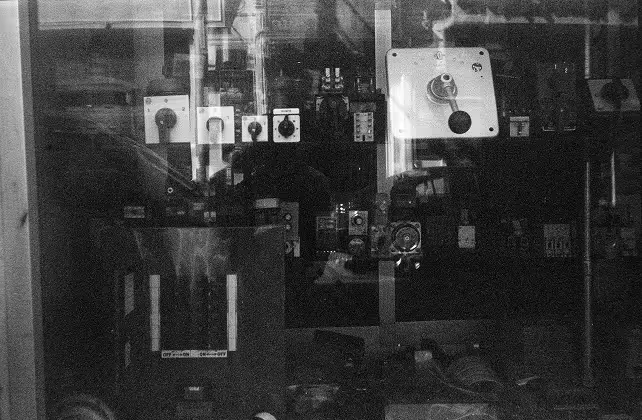
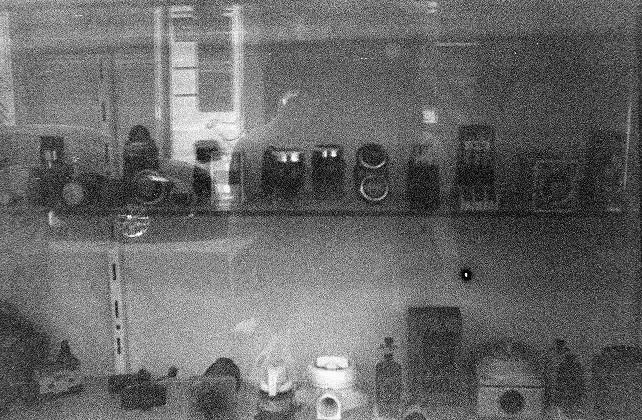
My path did not end yet; as I kept walking, and sight of switches and power units pulled me into the electricity shop. It is funny how ON\OFF Switch can stir up a whole bunch of questions: Do we gain power if we lose power?
While venturing into a new area, the day was quiet, despite walking near the Cornish by the sea. I could not provoke anyone’s personal space enough to capture them on their phones.
Although I managed to capture one shot of a man taking a picture, framed by the sea view behind him. At this moment, I wondered: Why are we constantly capturing these moments, if not to feel some sense of connection? If not, does our love truly live in those tangible images, handheld and full of warmth
These days, moments are captured through Instagram stories or digital photos, intangible, untouchable. A single tap can delete them forever, as if the memory itself never exist, and with no way to recover it.He would reply back with pictures of his travels, his days, with long emotional captions written on the back.
My path continued till I found myself in front of a small shop, filled with piles of old, broken TV’s.
An elderly man sat amidst them, almost as if he were guarding what was left of broken screens.
I could not help but reflect on the contrast of this two places in the same street as the old man asked what I was doing while we are having a little conversation about the project and the urgency of being disconnected from the real world is acknowledged.
These were once the technology that brought people closer, yet now it is discarded.
The realization that we have gone from connecting through simple joys like board games and hide and seek to lose ourselves in the glare of flashing lights and notification sounds.We long for that version of life; where laughers echoed through the playgrounds and we ran wild, unburdened, untied to the glowing screen.The street spoke again:
Bright screens attract the people
Broken ones are left behind
and the distance between the two is not far, yet it feels unreachable
My path did not end yet; as I kept walking and sight of switches and power units pulled me in to the electricity shop.
It is funny how ON\OFF Switch can stir up whole bunch of questions:
Do we gain power if we lose power?
While ventured into a new area, the day was quiet, despite walking near the Cornish by the sea.
I could not provoke anyone’s personal space enough to capture them on their phones.
Although I managed to capture one shot of a man taking a picture, framed by the sea view behind him.
At this moment I wondered: Why are we constantly capturing these moments, if not to feel some sense of connection?
if not, does our love truly lives in those tangible images, hand held and full of warmth
These days, moments are captured through instagram stories or digital photos intangible, untouchable.
a single tap can delete them forever, as if the memory itself never exist with no way to recover it
.
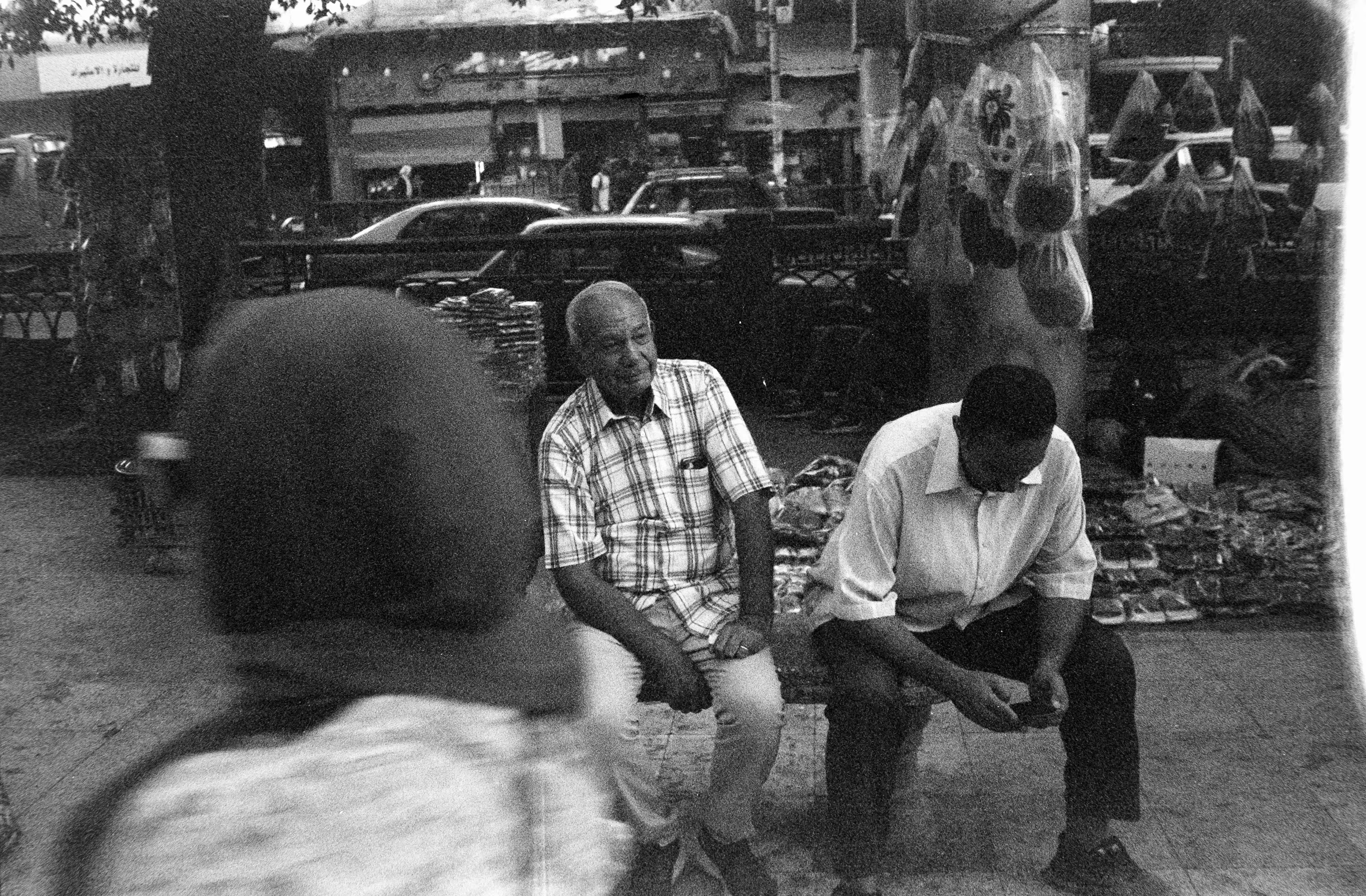


The Balancing Act:
as I navigated through my journey, it was not just wandering streets; it was also balancing between my everyday work life and my artistic pursuits; as working in a bookstore surrounded by books how rare now days to find someone holding a book instead of a phone, eBooks are a thing nowadays but nothing will change the real value of holding a book in your hand.
This project reflected my internal struggle.
Between living in a digital world and seeking true connection, I found moments that felt like personal self-reflection rather than anything else. There were small, quiet moments like having playful fights with my niece over the camera or the phone, where it got into me how much this topic, this project, was seeking into my daily life.
It was part of my reality.
Through all these experiences, frustrations, and reflections, the main point I got was that the connection is not just about being together physically.
It is about being truly present with one another, engaging in authentic moments, whether that is playing video games through a screen or capturing a memory for Instagram.
It is not in how we bond, but why we do it, to seek real connection, not to fall into compulsive over-consumption of media and technology, especially when we are most vulnerable to it.
How can we navigate the balance between the virtual world and the real world?
Between the brightness of screens and the quietness of human connection?
A sense of oneness, transcendence of time, and positive mood can be achieved without leading to misuse or overuse.
That’s why genuine connection matters, and it requires us to look into each other’s eyes not through the filters of devices or screens but face to face, so we can truly recognize, understand, and feel the presence of each other.





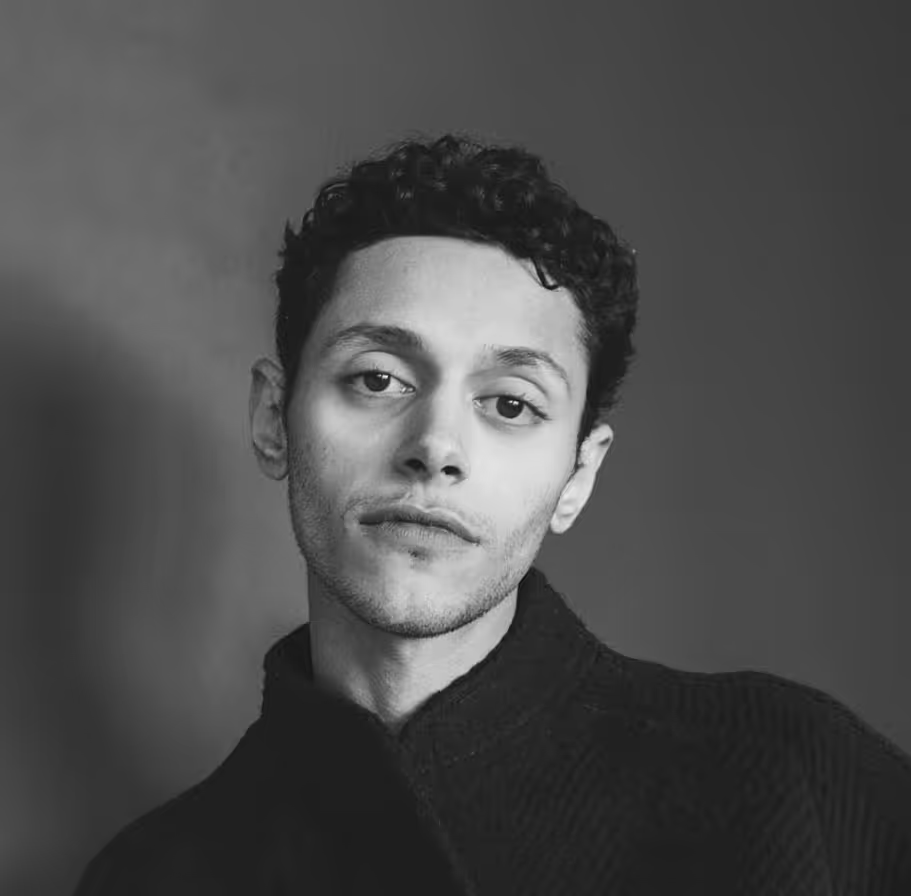
Mohamed Abdelrahman
Mohamed A. Abdelrahman is a visual artist based in Alexandria, Egypt. He explores self-reflection, identity, and emotion through his multidisciplinary and experimental art. He graduated from Alexandria University with a degree in Specific Education, specializing in Art, and later pursued a diploma in Art Therapy at Helwan University.
Abdelrahman has showcased his work in several notable exhibitions in Egypt, including "Maskbook" Workshop & Exhibition for COP 27, "PAST AND PRESENT" at Lamasat Art Gallery (2023), "NEXT" Collective Contemporary Art Exhibition at AUC TCC Falaki Galleries (2023), "The Womanhood" Photography Exhibition at AUC Future Gallery and B’sarya for Arts (2023), and "VIRTUAL VEINS" at The Art Gallery (2025). He also collaborated with artist Rebecca Agnes on embroidery contributions for the Final Girls Berlin Film Festival trilogy: Witches (2022), Ghosts (2023), and Monsters (2024).
Abdelrahman's art carries a deep emotional and spiritual resonance, transcending academic boundaries, and his works evoke powerful emotions through diverse color palettes and textures. From photography to collage using magazine and book cutouts, Abdelrahman’s creative process is driven by experimentation and introspection.
In the name of God, the Most Gracious, the Most Merciful
My beloved Hanan,
Happy anniversary to you, and may all three of us always be well. May we celebrate our millionth wedding anniversary together.
I miss you so, so much. I wish I could return to Egypt and live again like we used to… but what can I do, Hanan?
My son wants an apartment and a car; but you are my home and my everything, the apartment and the car. You are the one more precious than my soul.
You have no idea how much I miss you,
you who are more precious than my eyes.
Goodbye, my heart and soul.
Send my regards to Karim.
My beloved Hanan,
This photo was taken on my day off.
Oka and Osama Magdy were with me.
Don’t worry about me; I was just a little tired.
He used to say: “Help me.”
17/10/1990
In the name of God, the Most Gracious, the Most Merciful
My beloved Hanan, mother of Karim,
After asking about your health, which is so precious to me, I miss you so much, Hanan, the youngest mother in the world. I feel relieved now that you’ve given birth to Karim. I’m so happy. I dream of both of you… but of you a little more. I miss you, Hanan. I’m very worried. But God willing, I’ll make it up to you for everything you’ve missed. God knows how often I dream of the plane that brought me here, just so it can take me back to our country where I was raised. I’m working for tomorrow — for what brings me comfort and spares you from all that has passed.
(I’m tired), Hanan. Keep in mind that Karim won’t let you sleep now, and you won’t let me sleep either…
I’m planning to… or maybe I shouldn’t?
As for Tahani and my mother-in-law, may God grant her patience.
My greetings to everyone asking about me.
Goodbye, my love, mother of Karim.
By the way, this photo was taken after I heard the news,
And The first part of this smile is for Karim, and the second is yours, Hanan.
Goodbye, Hanan.
Your love,
Ayman
Age: (a year) 26 days
Daddy, my love,
I miss you so much, and I wish I could see you.
Your son,
Karim.
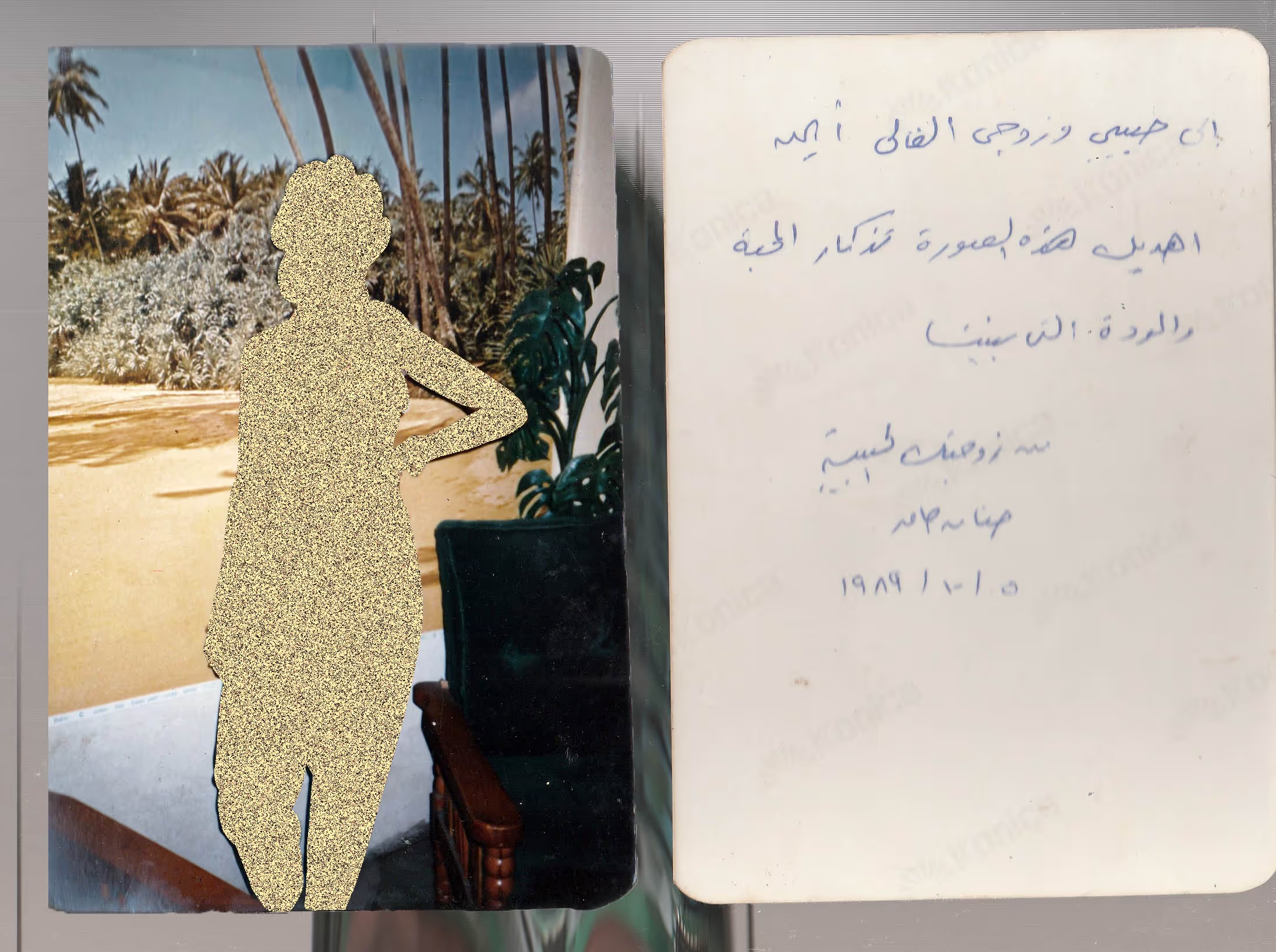
To my beloved and precious soul, Ayman,
I gift you this photograph as a memory of the affection and kindness between us.
From your loving wife,
Hanan Hamed
5/10/1989