The Greatest
Things
We Possess and Do Not Own
by Mirna Abbas
This project is a visual and human journey through three different life stages, featuring protagonists who redefined talent for me, far from its pre-packaged molds. It is a journey that poses a set of questions and searches within us for the answers:
What is the meaning of talent? Are we all truly talented? And does this talent need to be recognized by people and officially classified as such, or is it enough for it to be a light that illuminates its owner's path and gives their life meaning?



Uncle Hazem
"Talent doesn't mean being the best, but finding something you enjoy and excel at." - Catherine Hardy
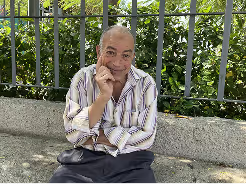
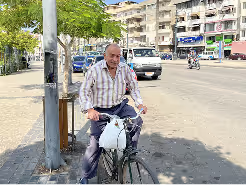
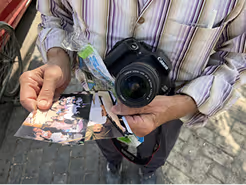
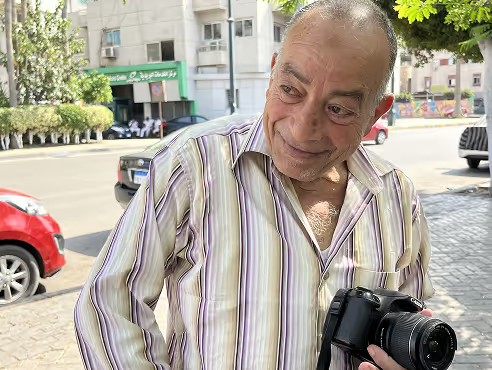
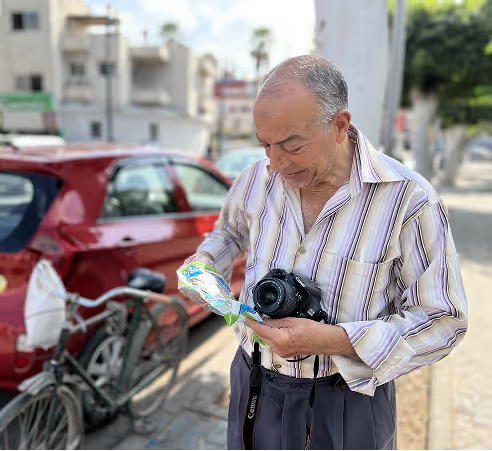
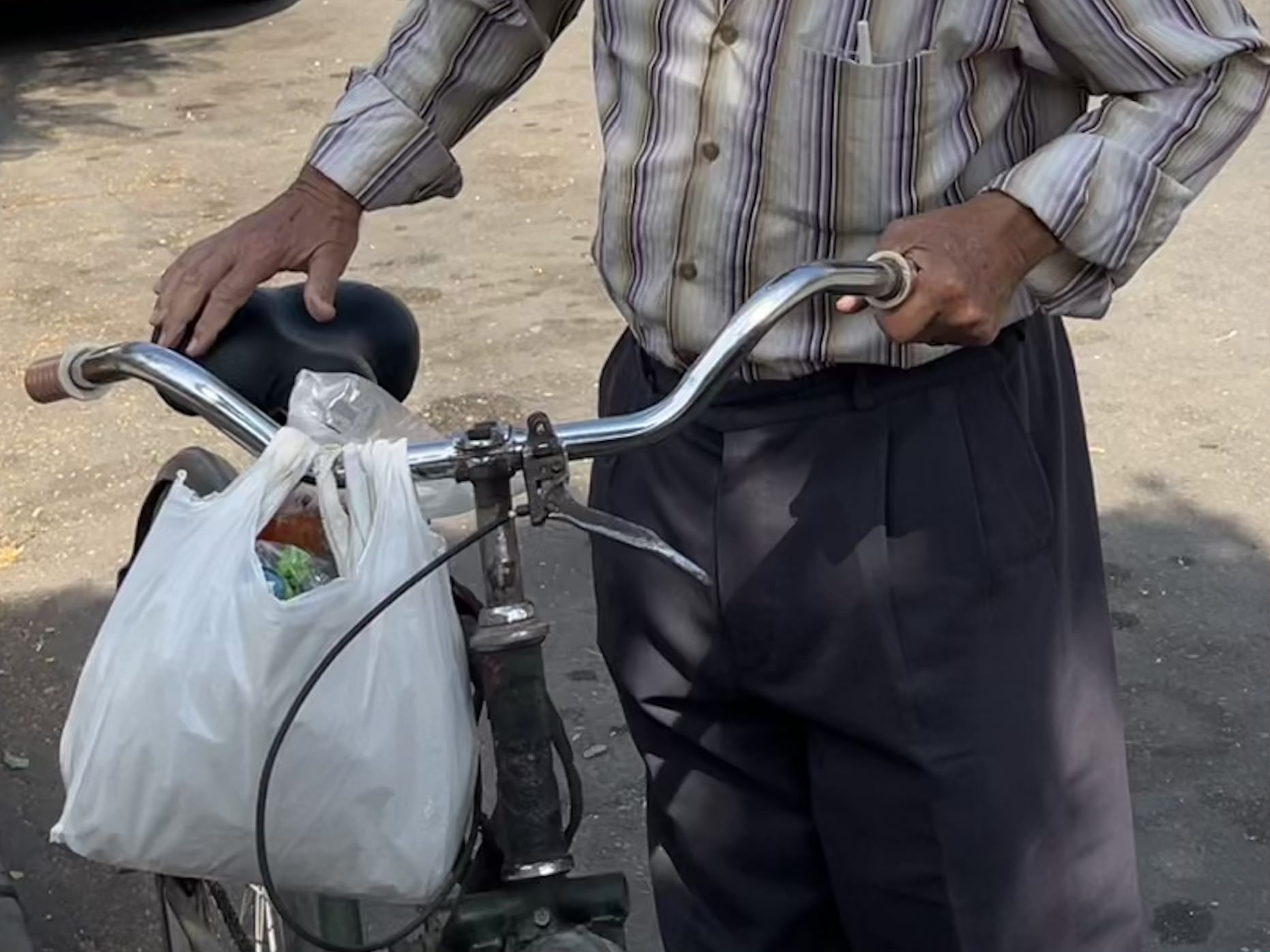
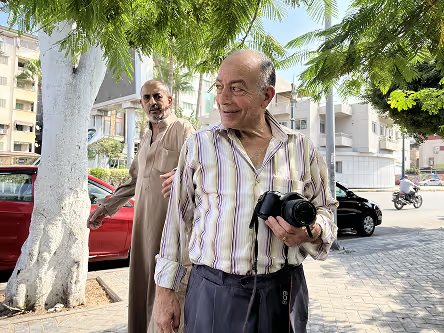
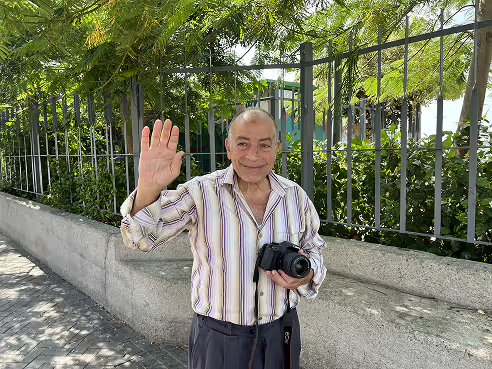
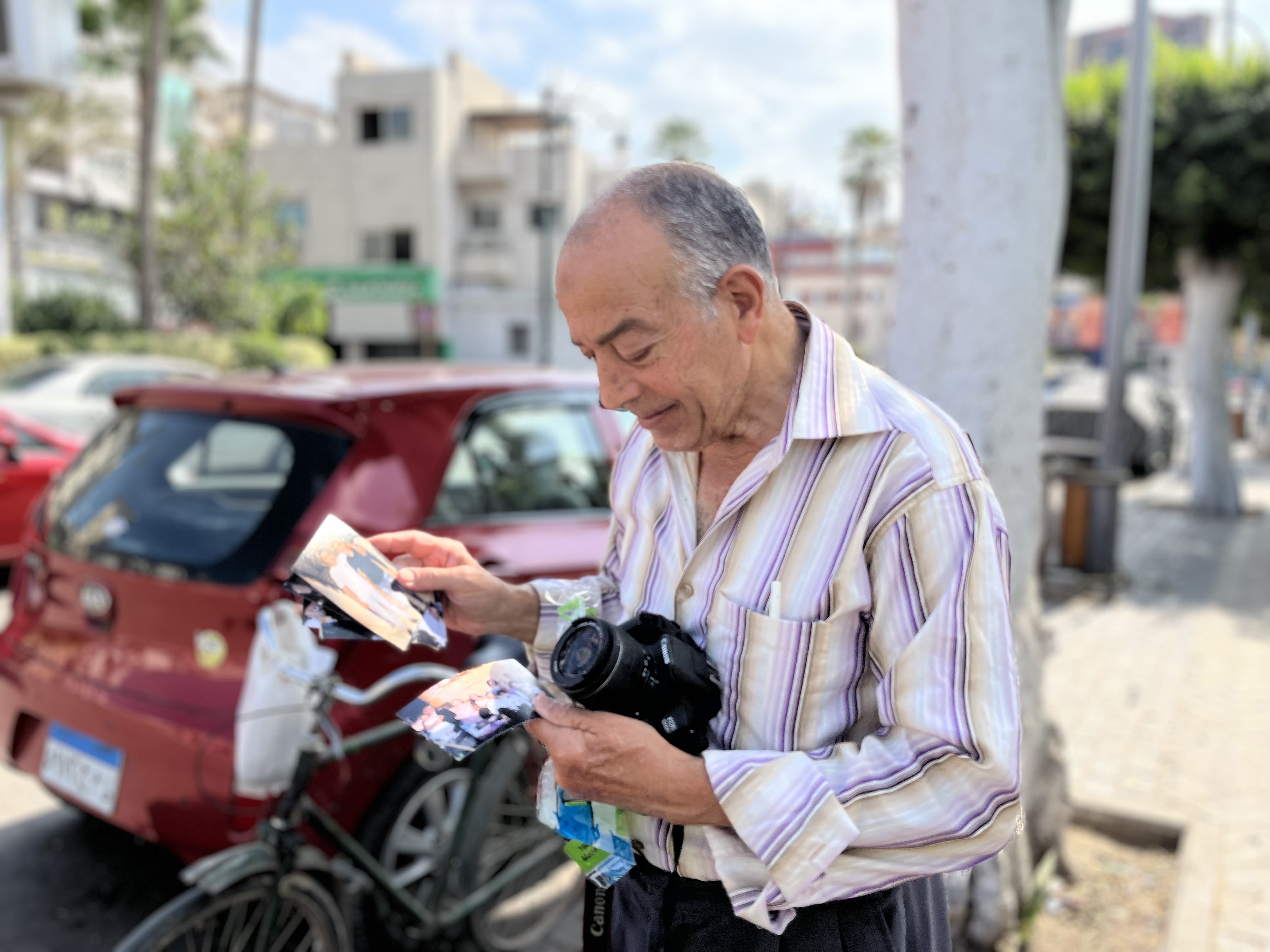
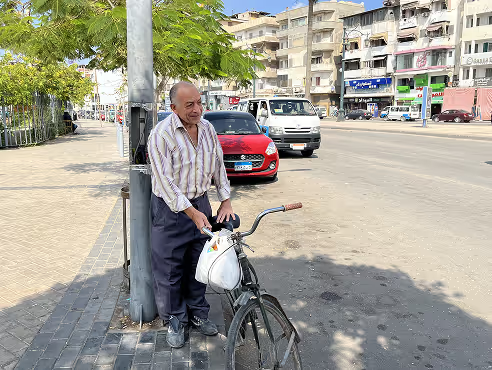
Finally, I met Uncle Hazem on the Damietta corniche. My meeting with him was quick and unplanned because he doesn't own a mobile phone and has no studio of his own. After much searching, asking around, and with the help of social media, I found out where I could find him: on Friday after prayers. He prays in a small mosque in the city center, then takes his bicycle and roams the corniche calling out, "Photos, photos! Anyone want a photo?" camera since 1979.The man who lived his life behind the lens became the most well-known photographer in our city—known by everyone, and knowing everyone.
To me, Uncle Hazem is a man who has transcended time, becoming suspended between the memories of the young and the old. There isn't a person in our city who doesn't know him or who doesn't have at least one picture in their album of memories taken by Uncle Hazem (and, of course, I am one of them).
Since 1970, he has roamed the city, documenting the memories of its people with his lens, his bicycle, and his most famous word: "Smile." And so, the old and the young smiled for him, and no one ever denied his request.
When I asked him, "Have you achieved what you hoped for from photography?"
He told me that photography allowed him to possess the most precious thing, something that cannot be valued in money: the love of the people.
I believe that we have recently grown accustomed to a single version of success: to have a lot of money and fame, to be written about in newspapers, magazines, and on social media. But Uncle Hazem's success was different. He did not achieve that stereotypical image; instead, he created a profound impact on the souls of all who knew him.
Uncle Hazem is an example of talent when it matures and transforms into a life philosophy. Photography was never just his profession; it was his way of bringing happiness to people and preserving time from being forgotten. He captures pictures to be a witness against time's forgetting.
Through Uncle Hazem, we understand the true meaning of talent: to find what resembles you, to do what you love, and to leave an impact that people don't see with their eyes but feel in their hearts.
In the end, I hope that every person finds what moves them, what makes them wake up each morning feeling that they are important, special, and impactful in this vast universe. Perhaps the journey to find the light within us isn't easy... but it is certainly worth it.
Ibrahim
"True talent emerges when you have a passion for something and a deep desire to become the best at it, even if your environment doesn't support you." - William Chan
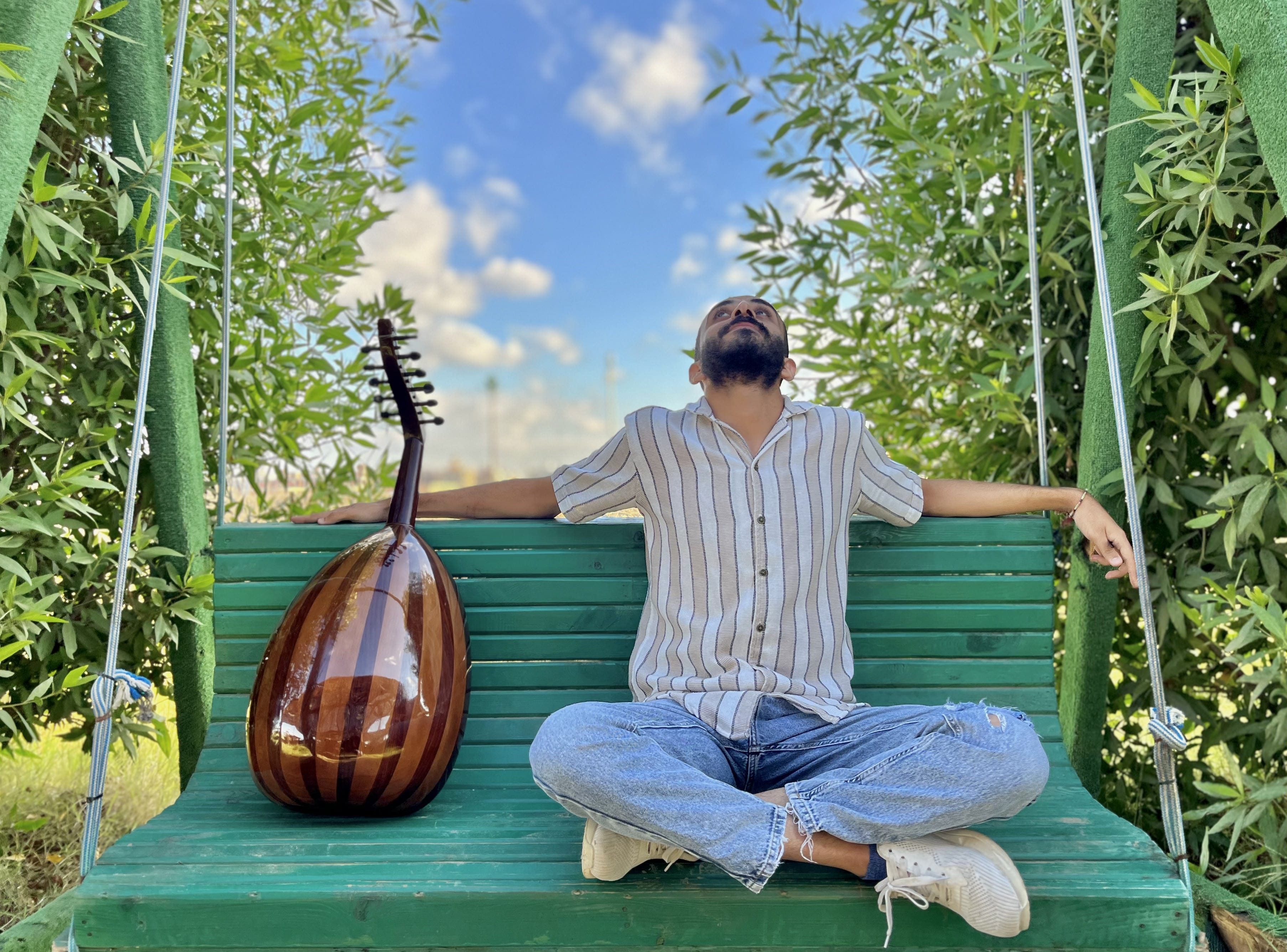
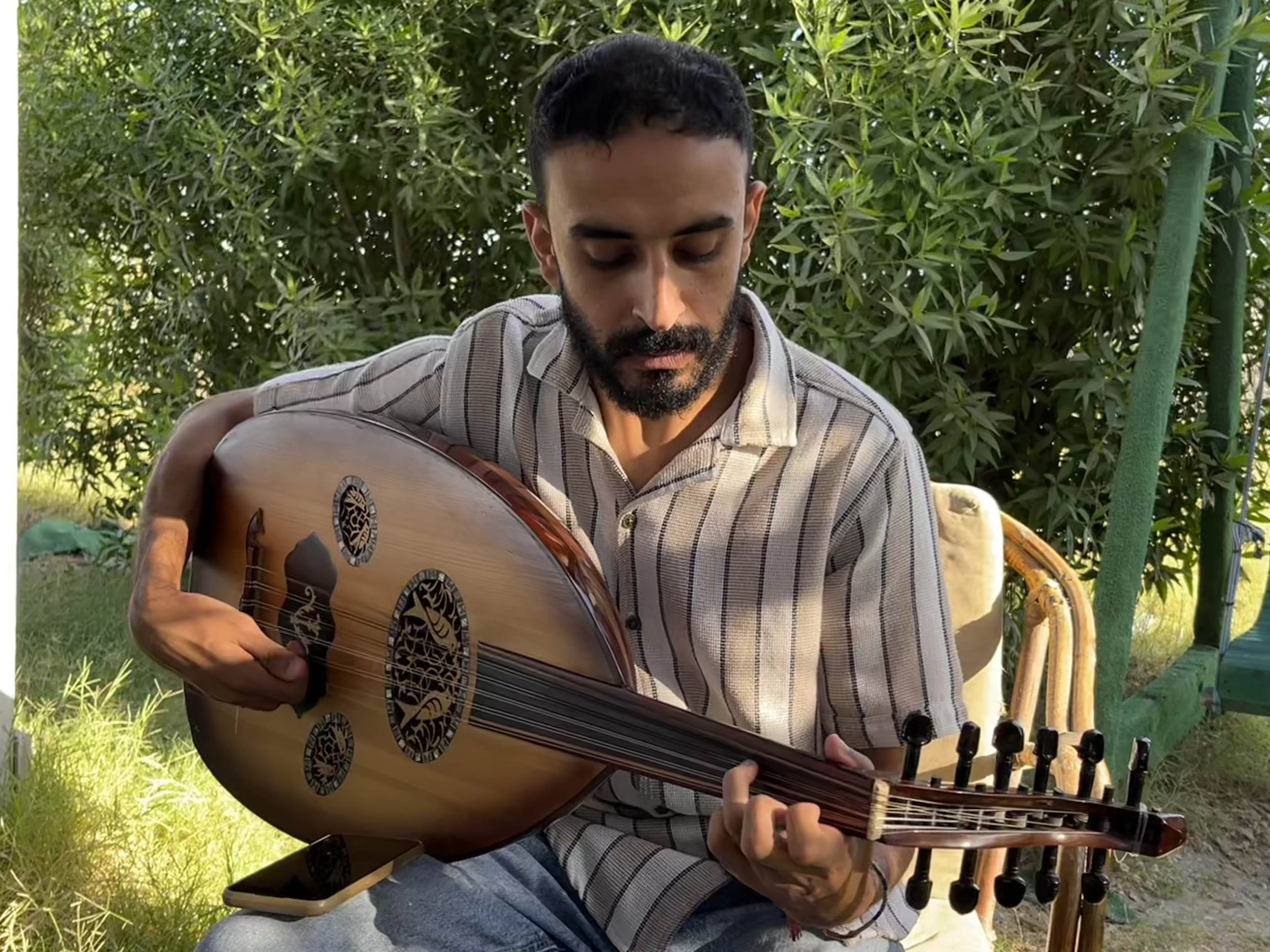
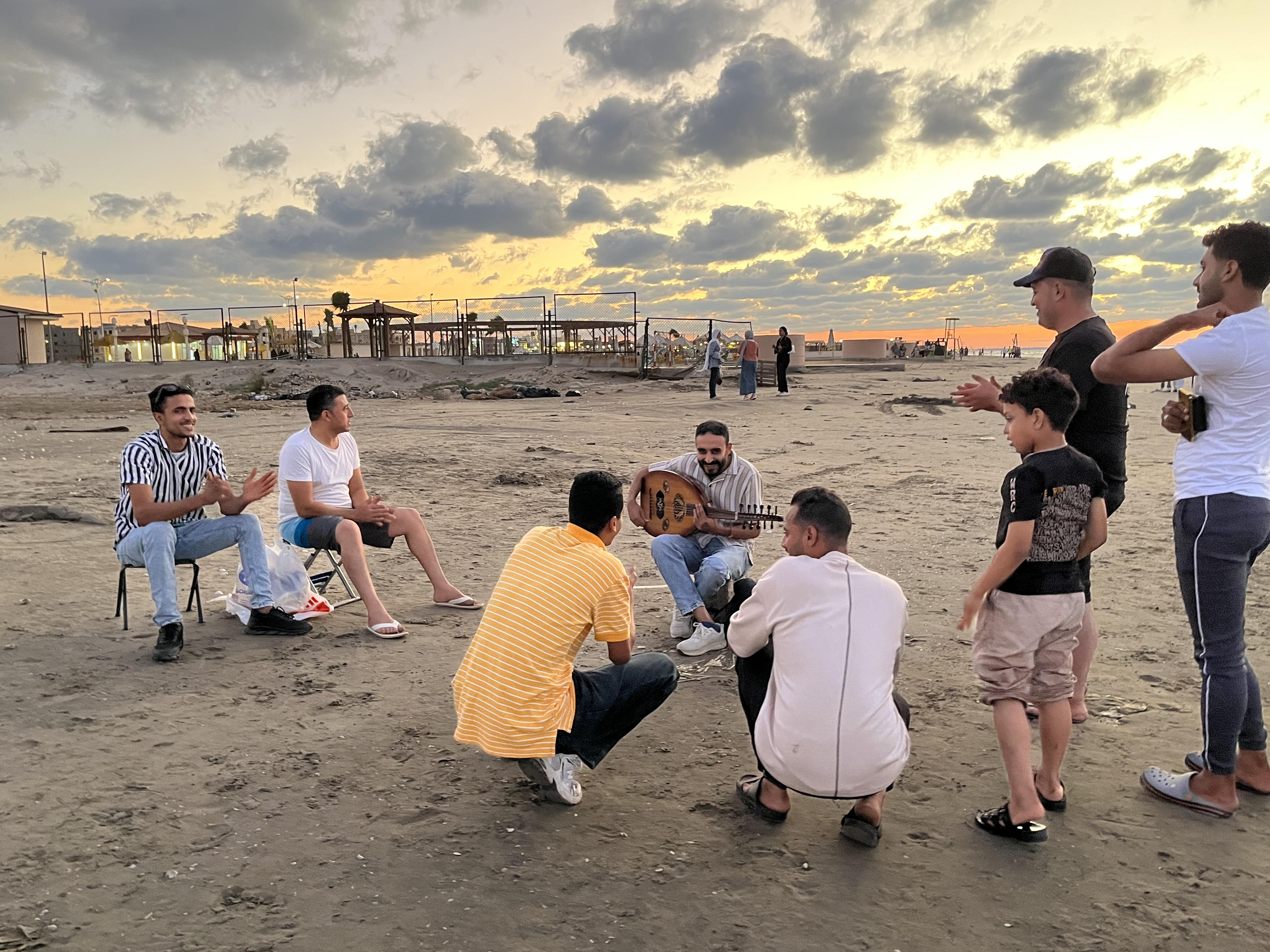
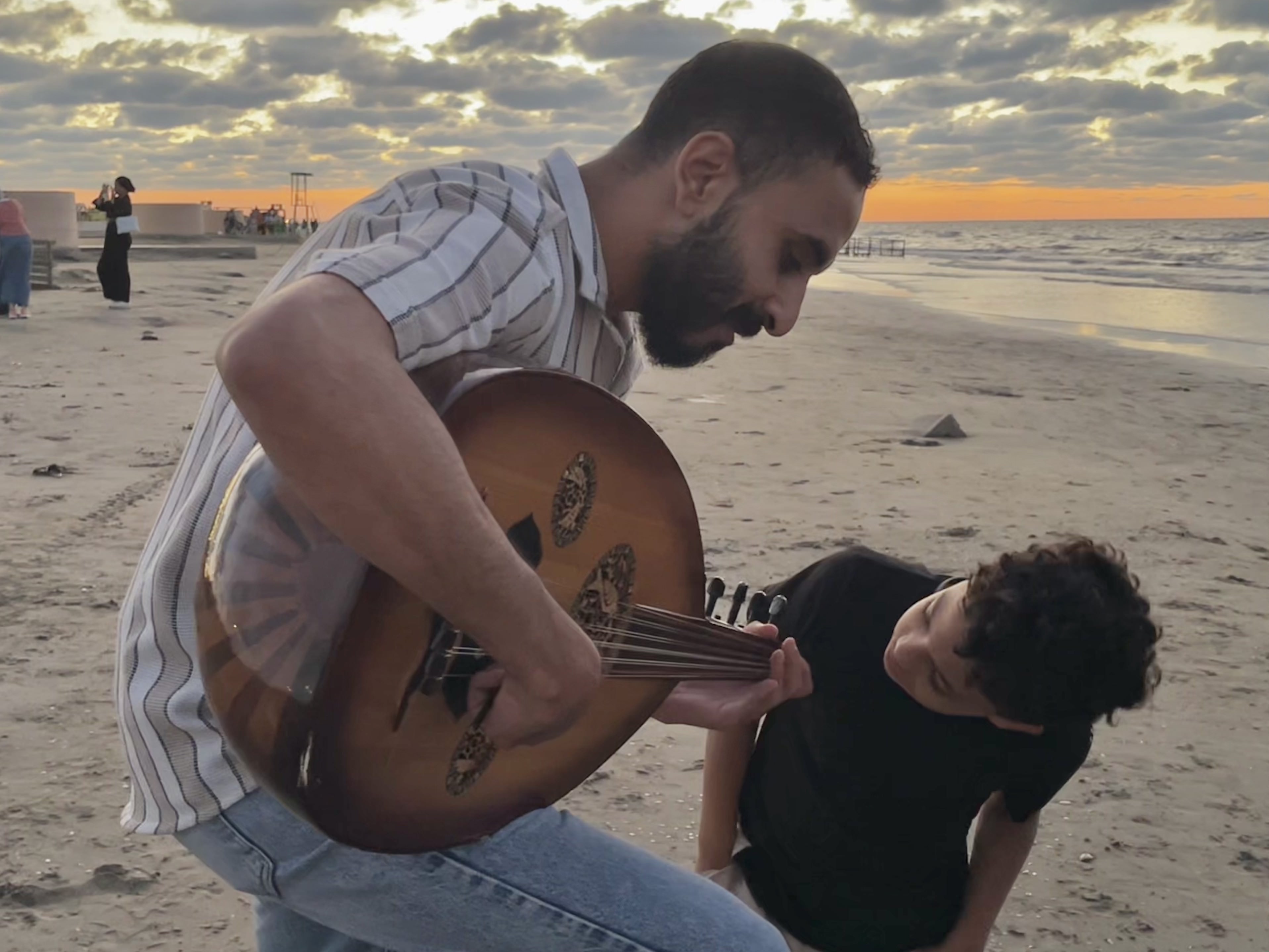
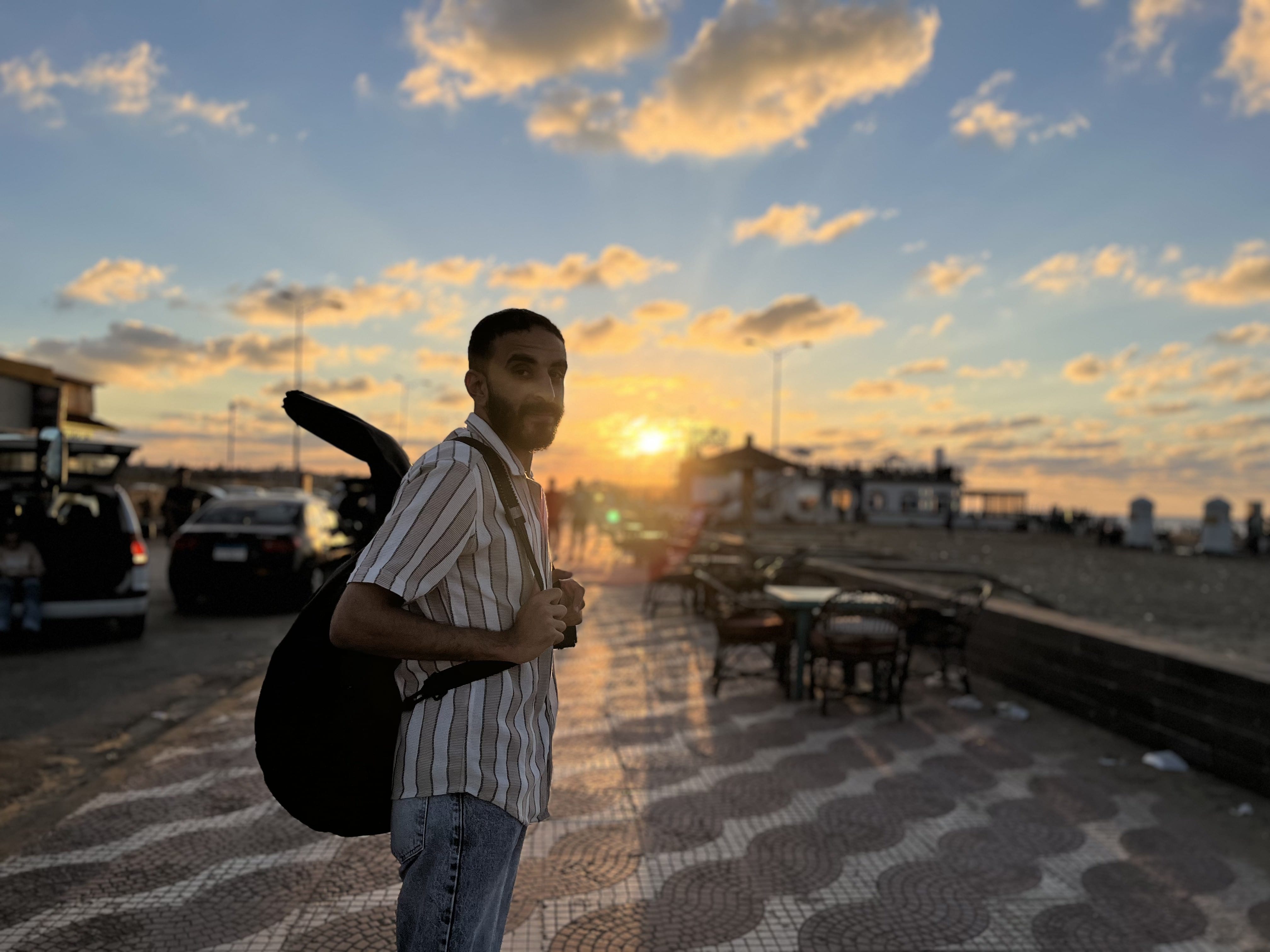
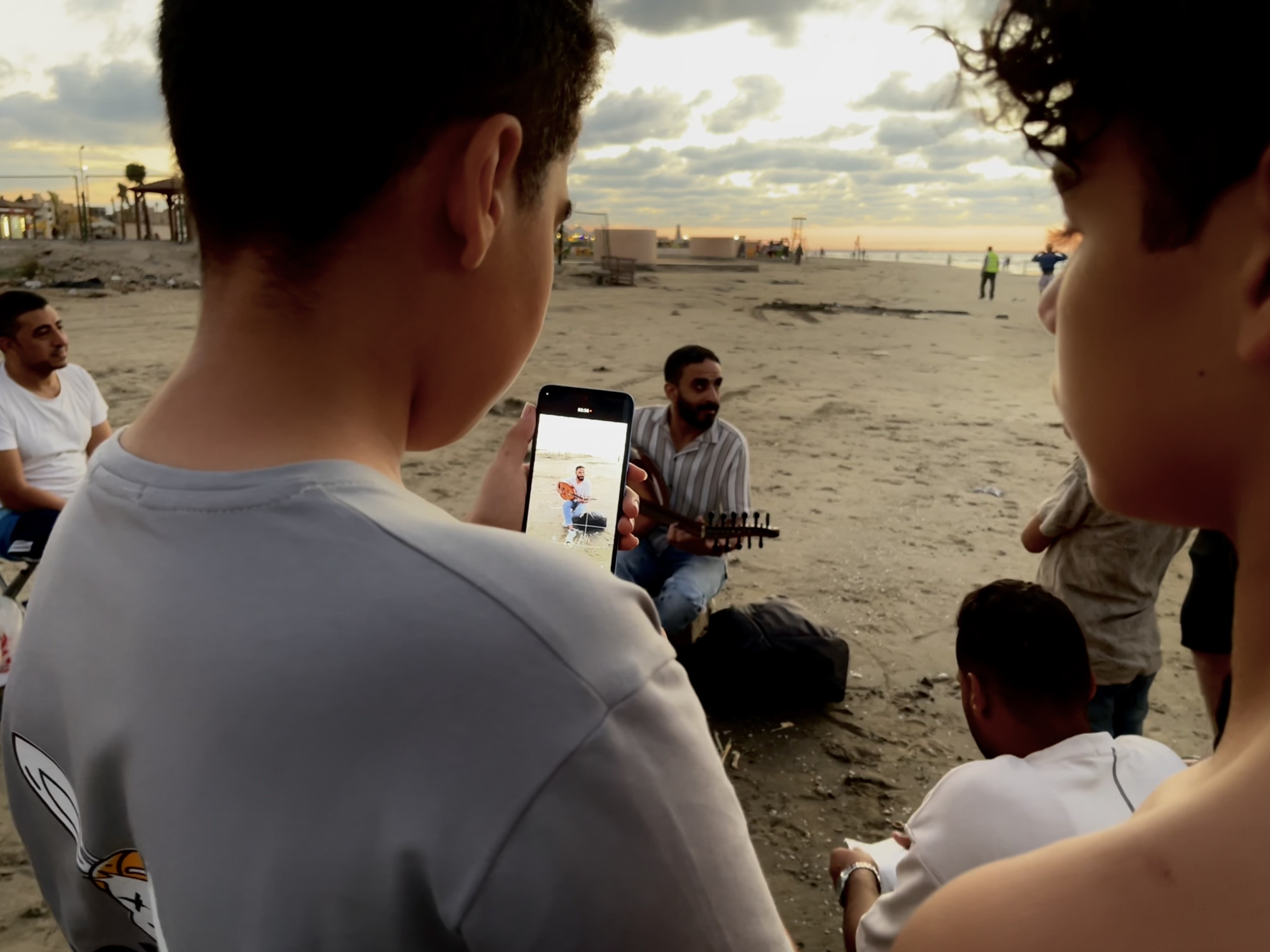
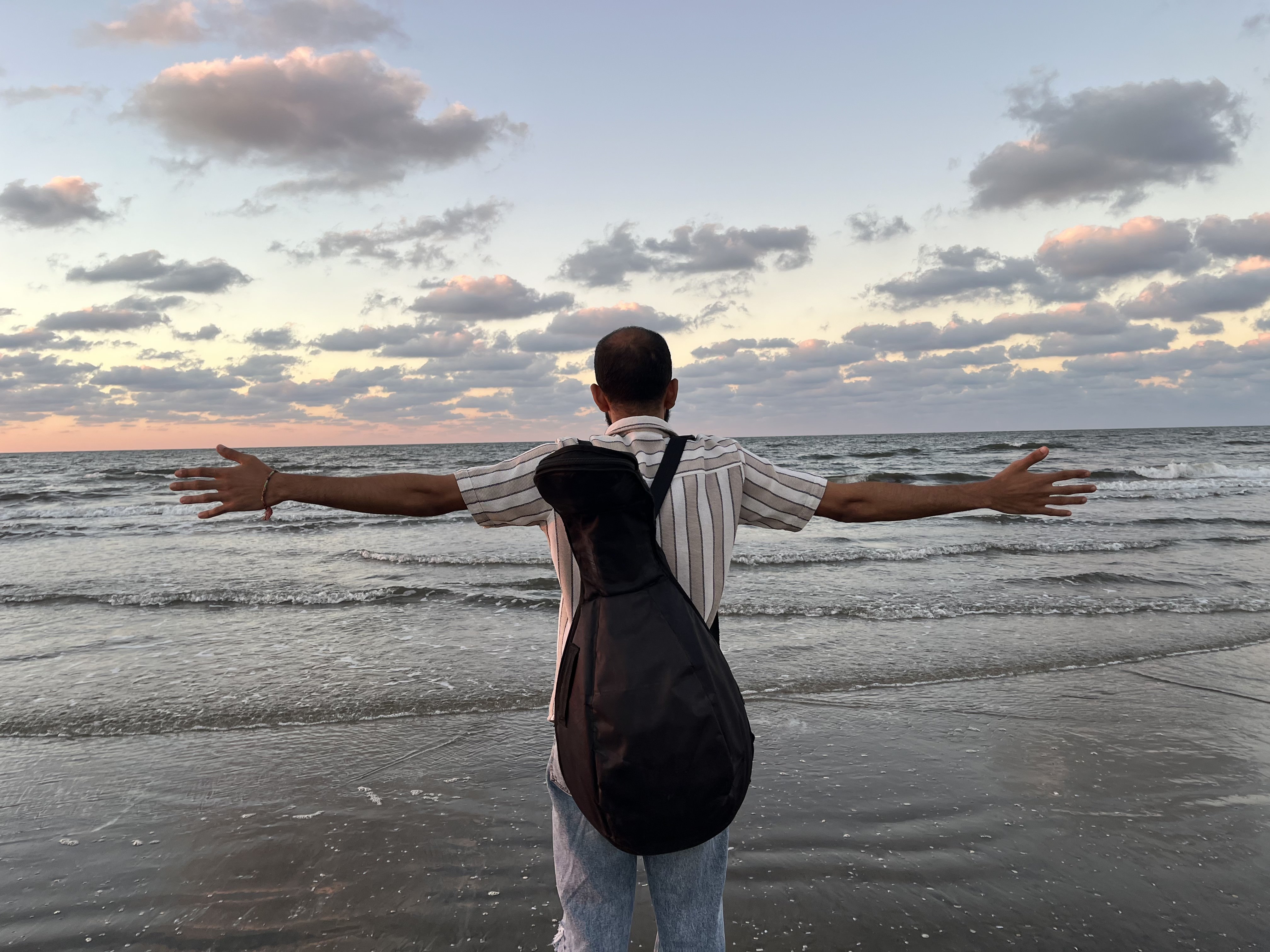
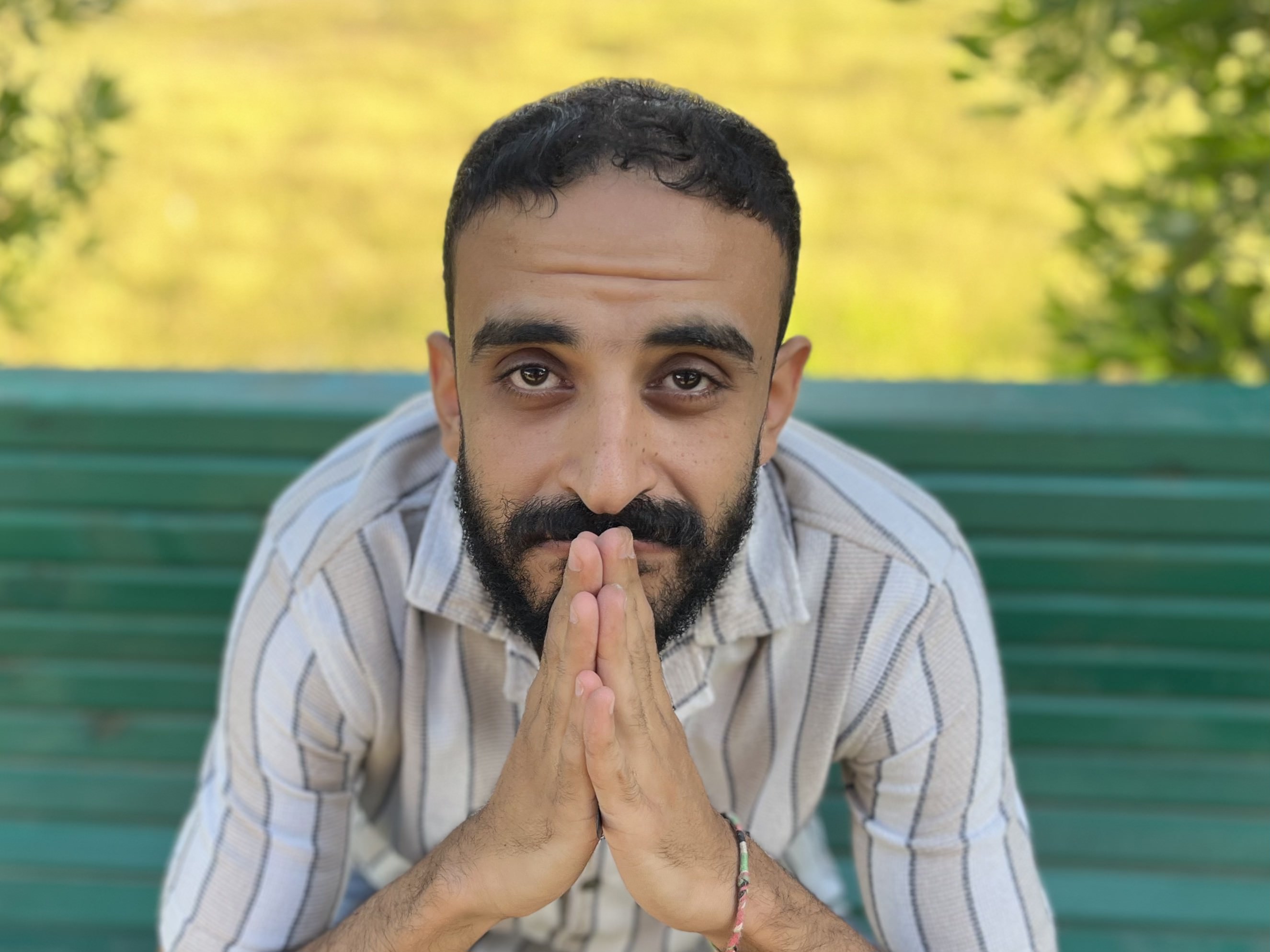
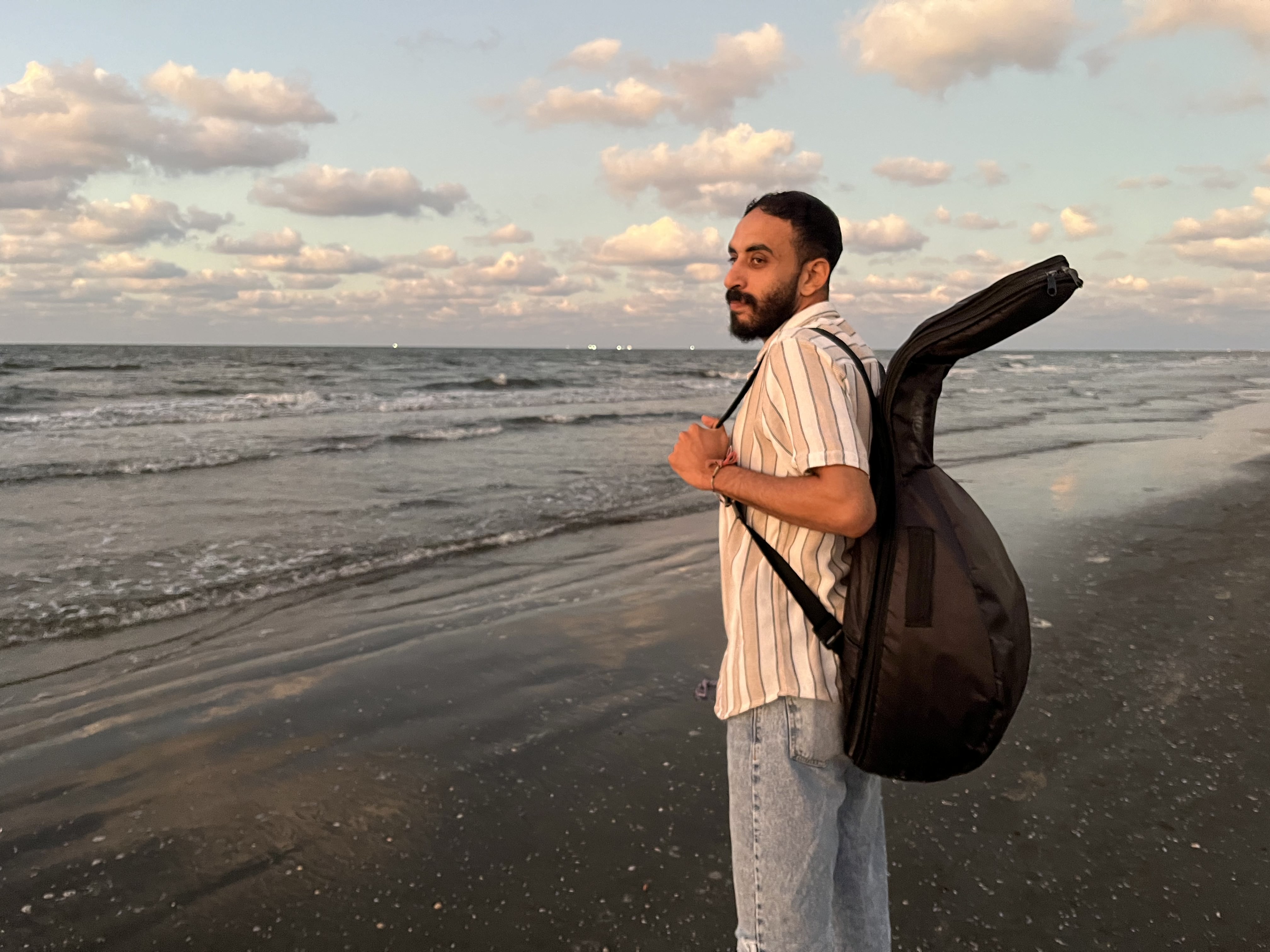
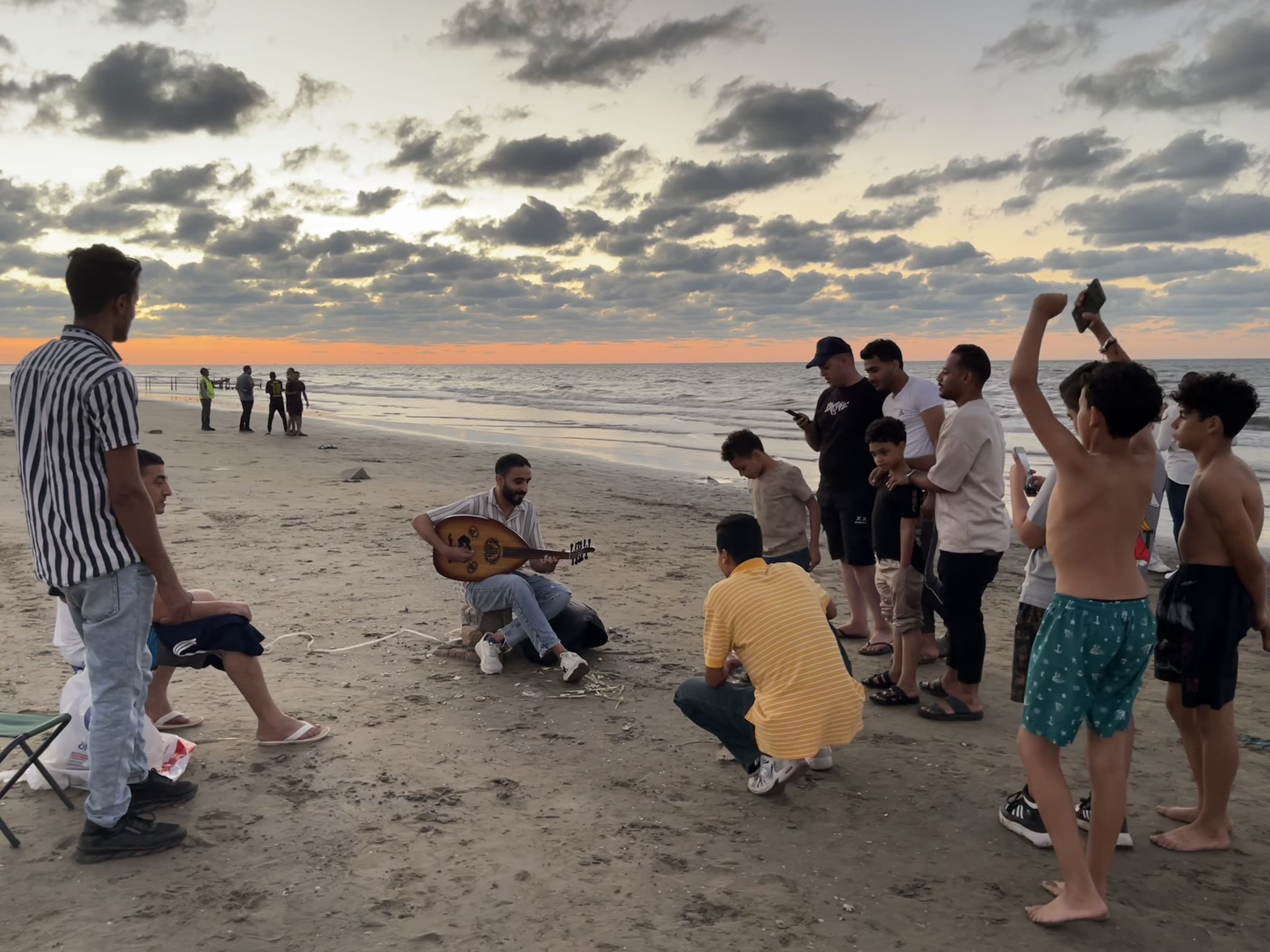
In a neighborhood in the city of Damietta, I met Ibrahim.
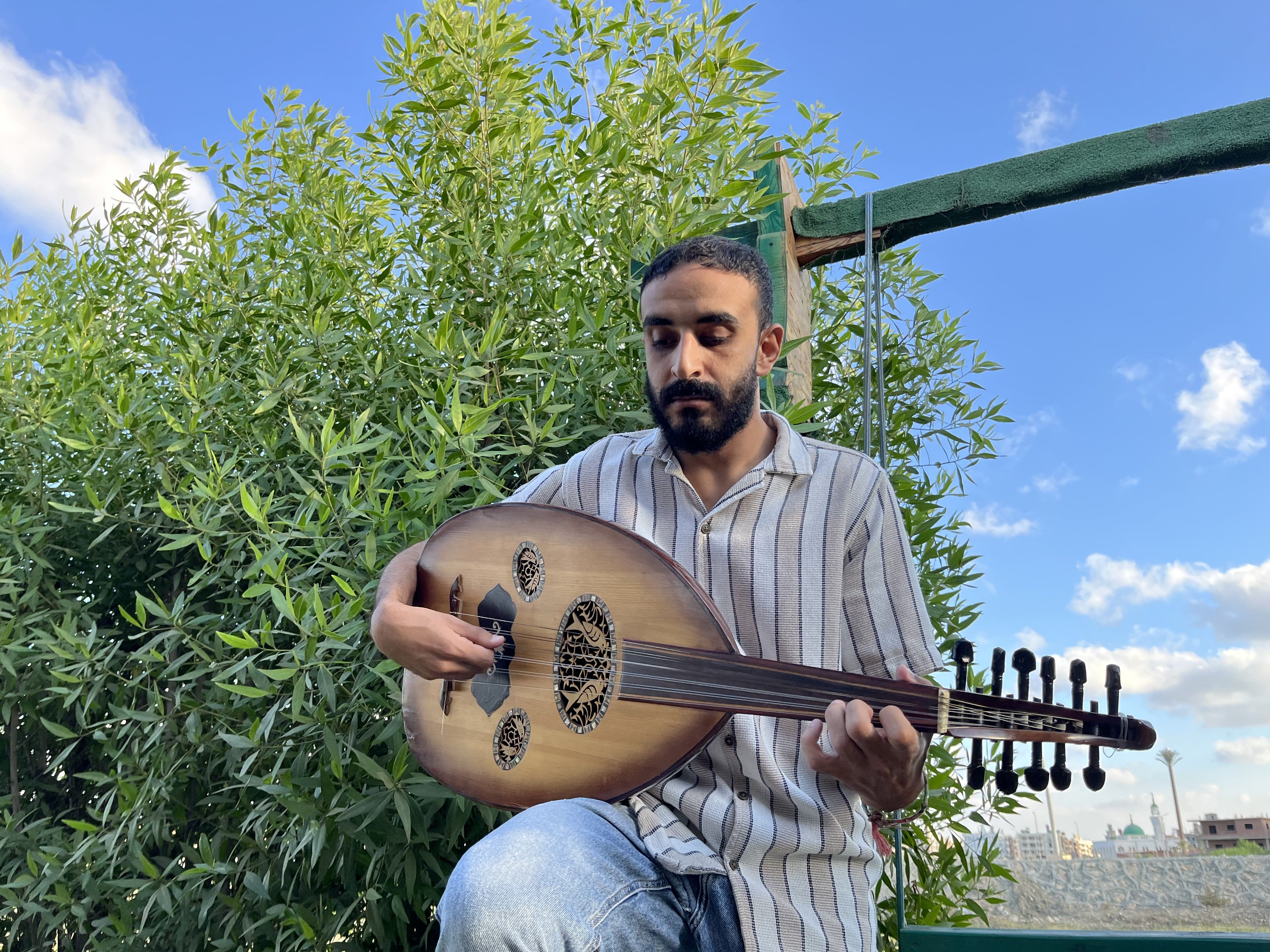
A young man of twenty-five, he resembles an entire generation of youth, all searching for a way to express themselves and their dreams. I am one of them, and this project is my means of expressing myself and my generation.
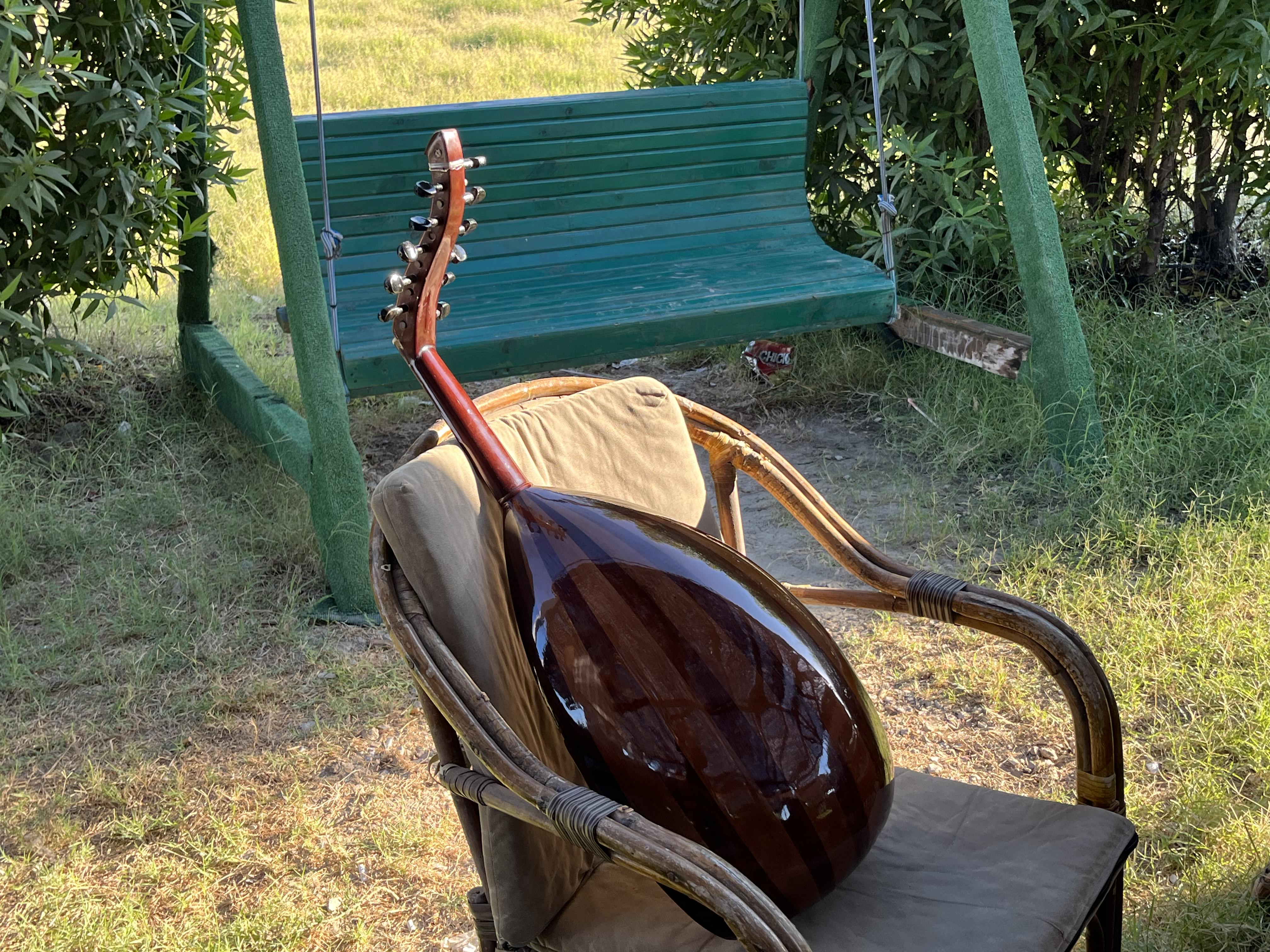
As for Ibrahim, he found no language more honest than music. He told me it was the only thing with which he could express things he could not otherwise speak of.
Ibrahim, like all of us, was pushed into this world without being asked. There was no one to guide him on how to achieve his dreams, no one to show him how to build something of value from the wreckage. But he found the light within himself, and by himself.
Despite a lack of means and a scarcity of opportunities, Ibrahim tries to continue playing his music and dreaming, because in the end, a person is not what they own, but what they love.

Mohanad
"Sometimes we don't discover our talents until we need them." - Barbara Sher
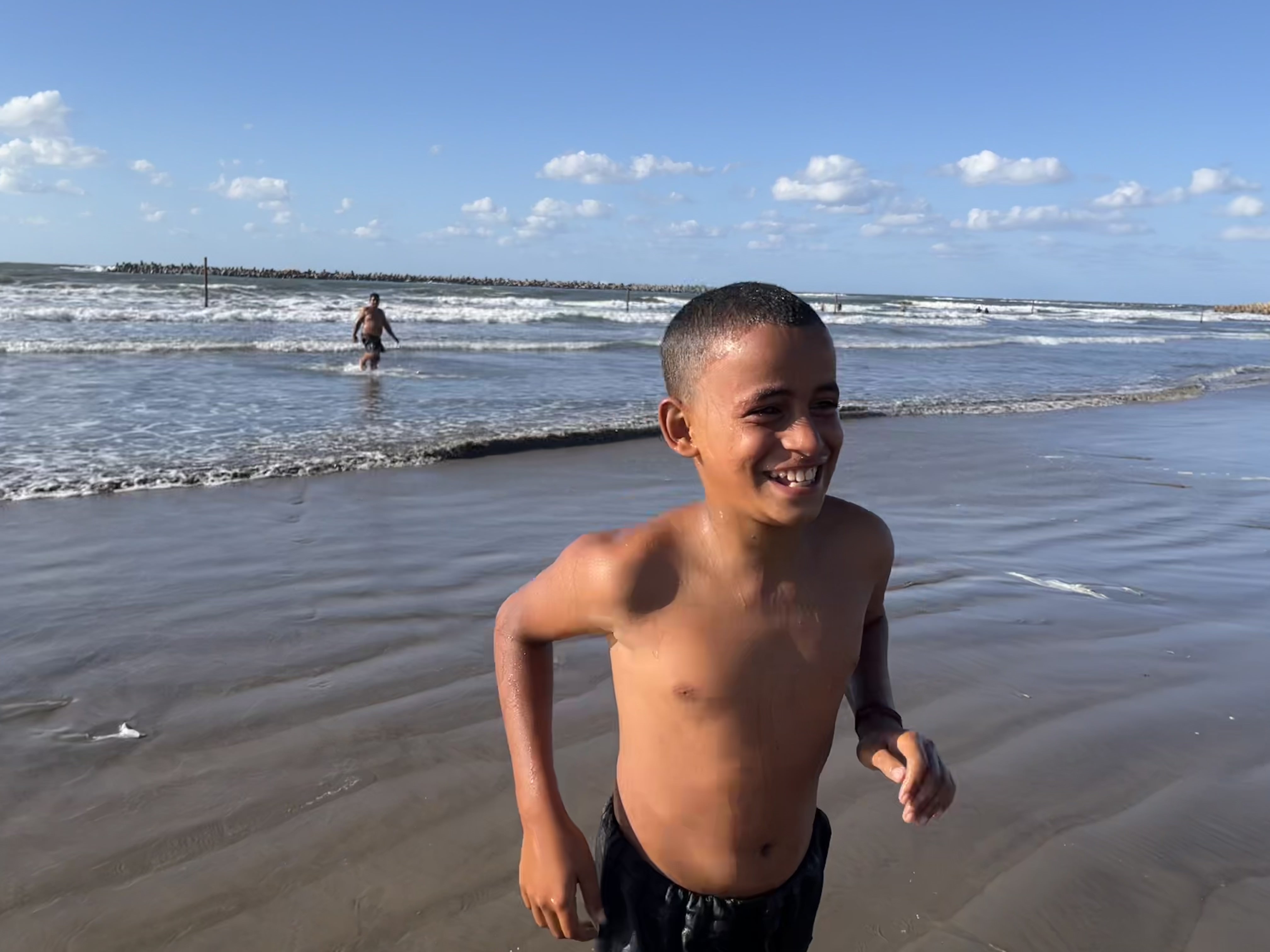
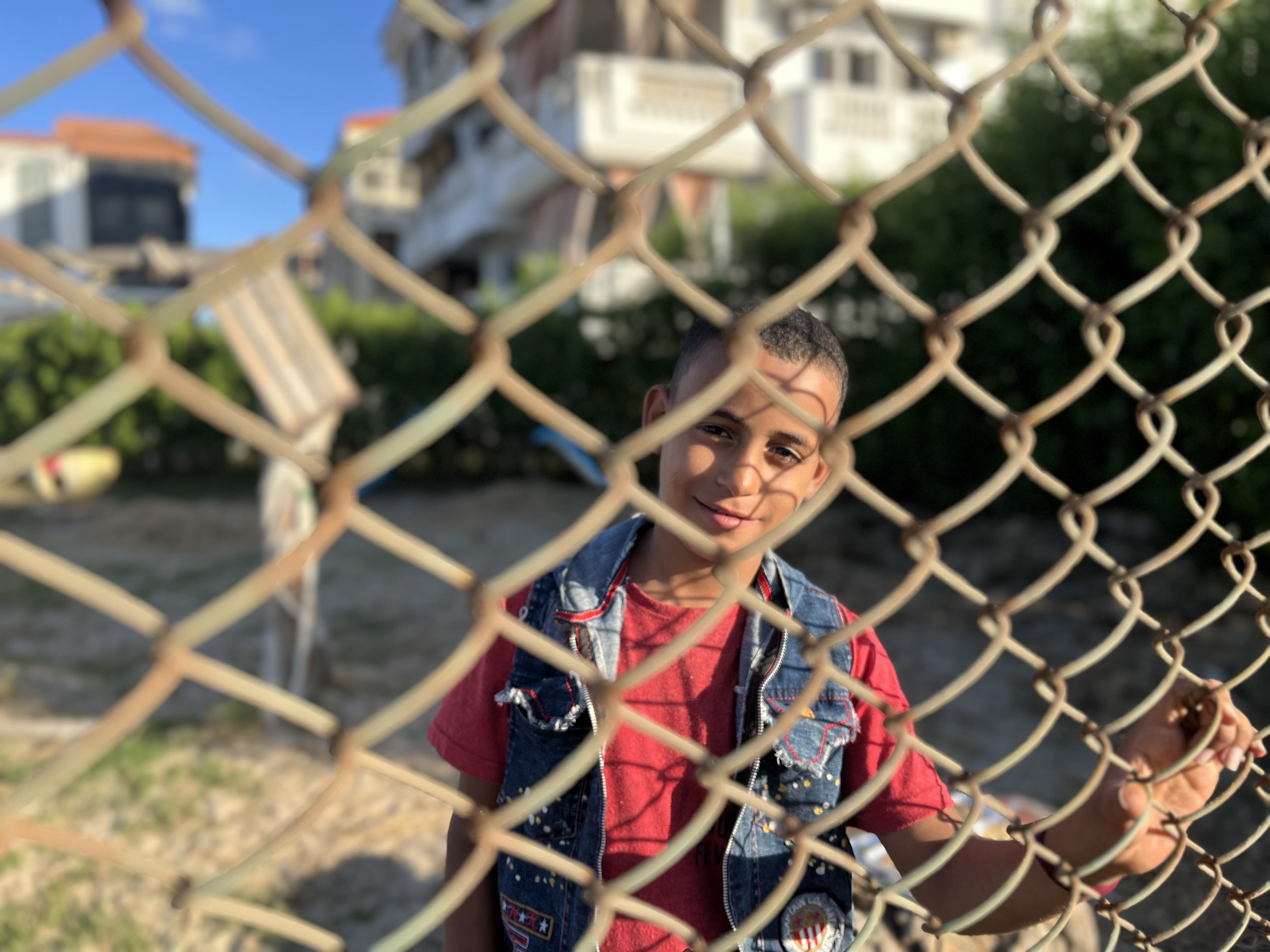
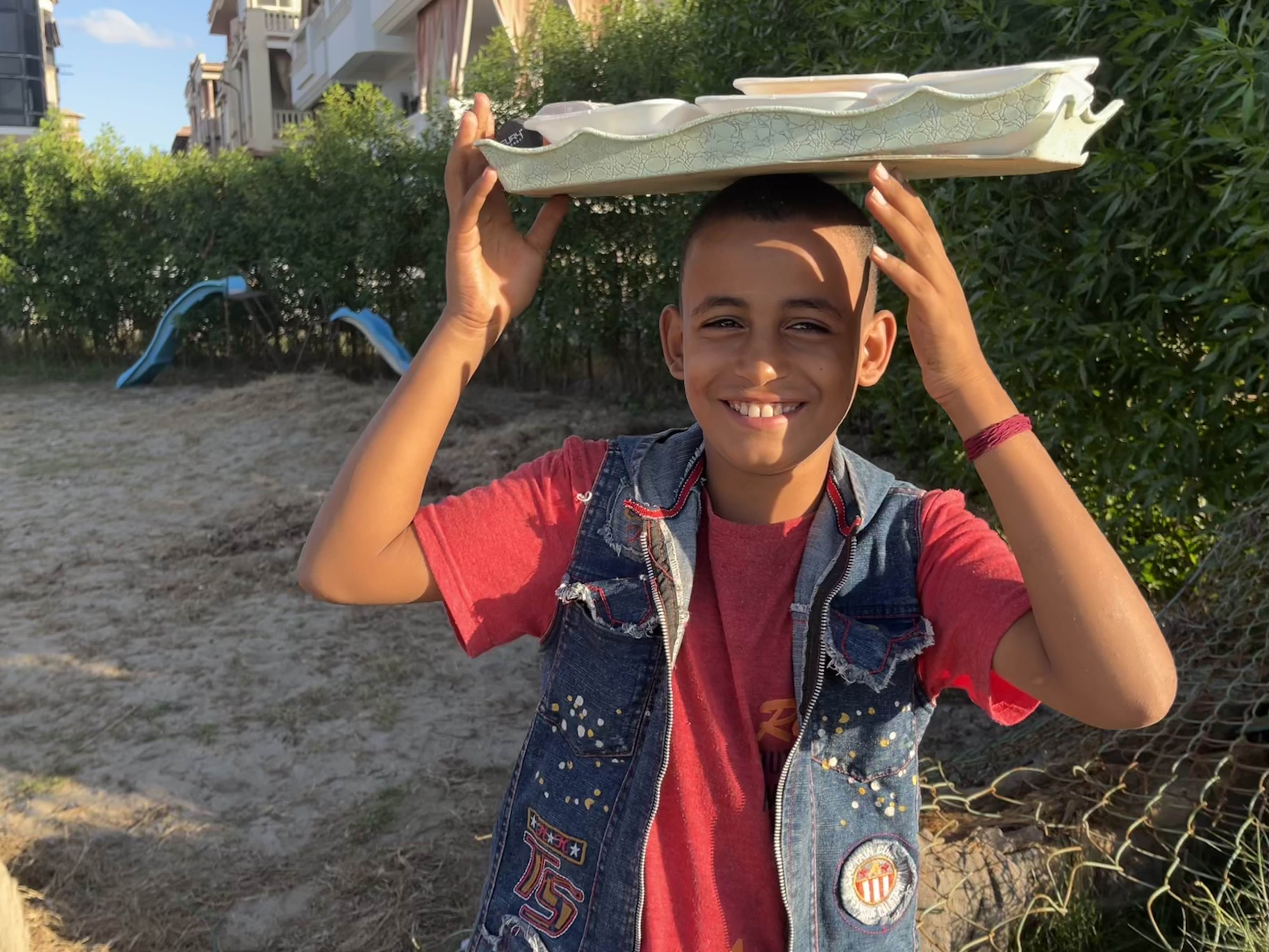
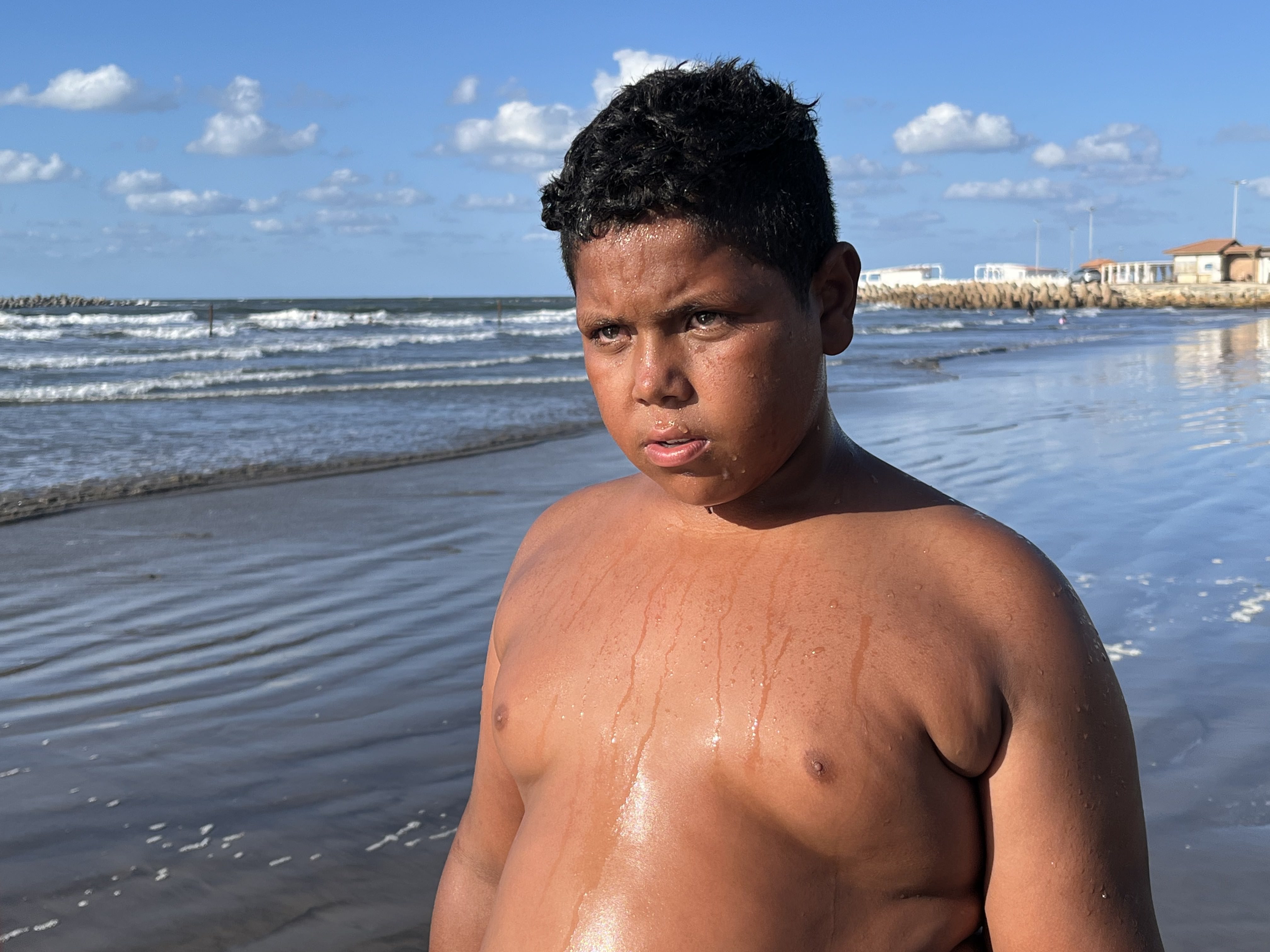
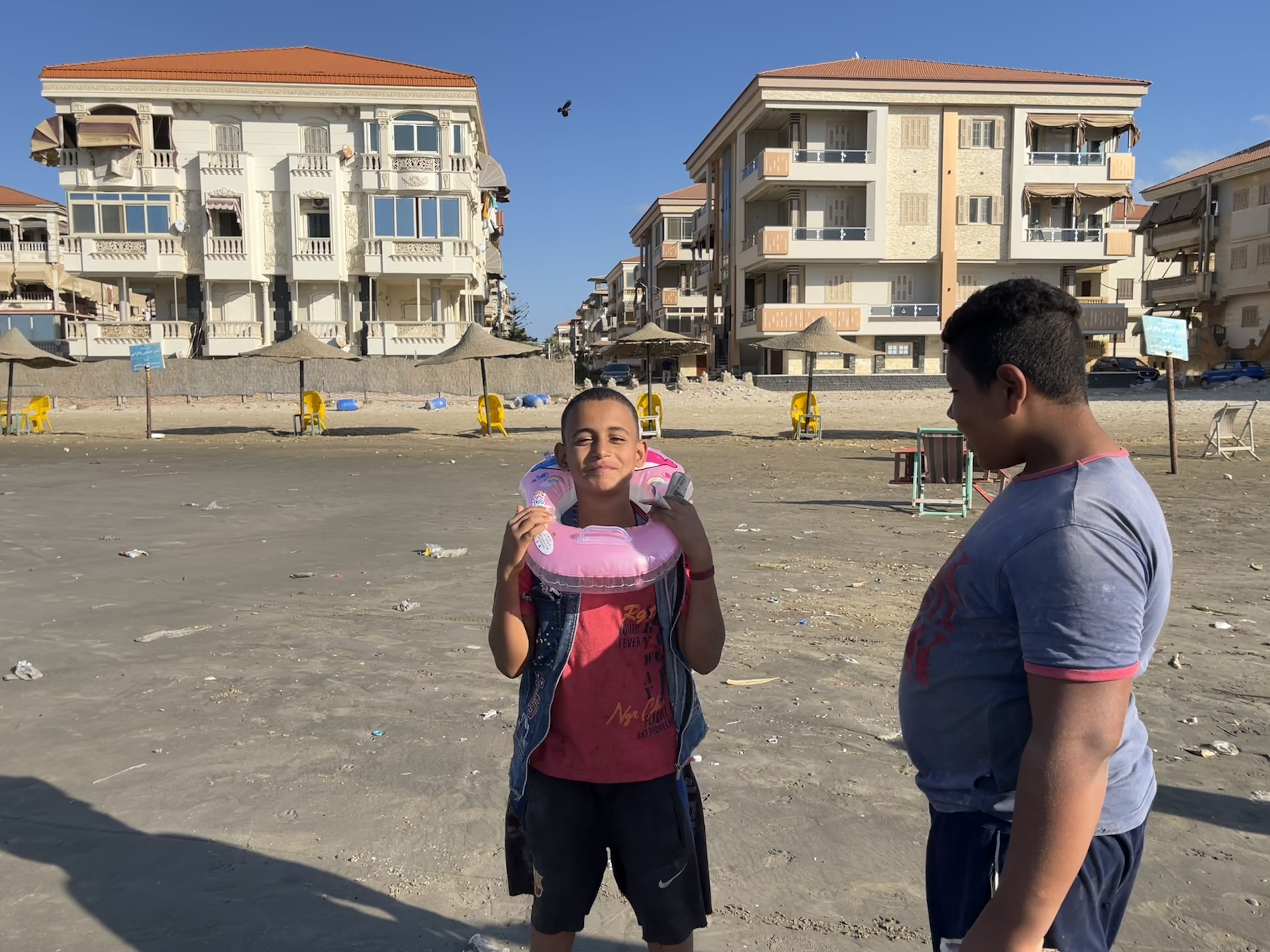
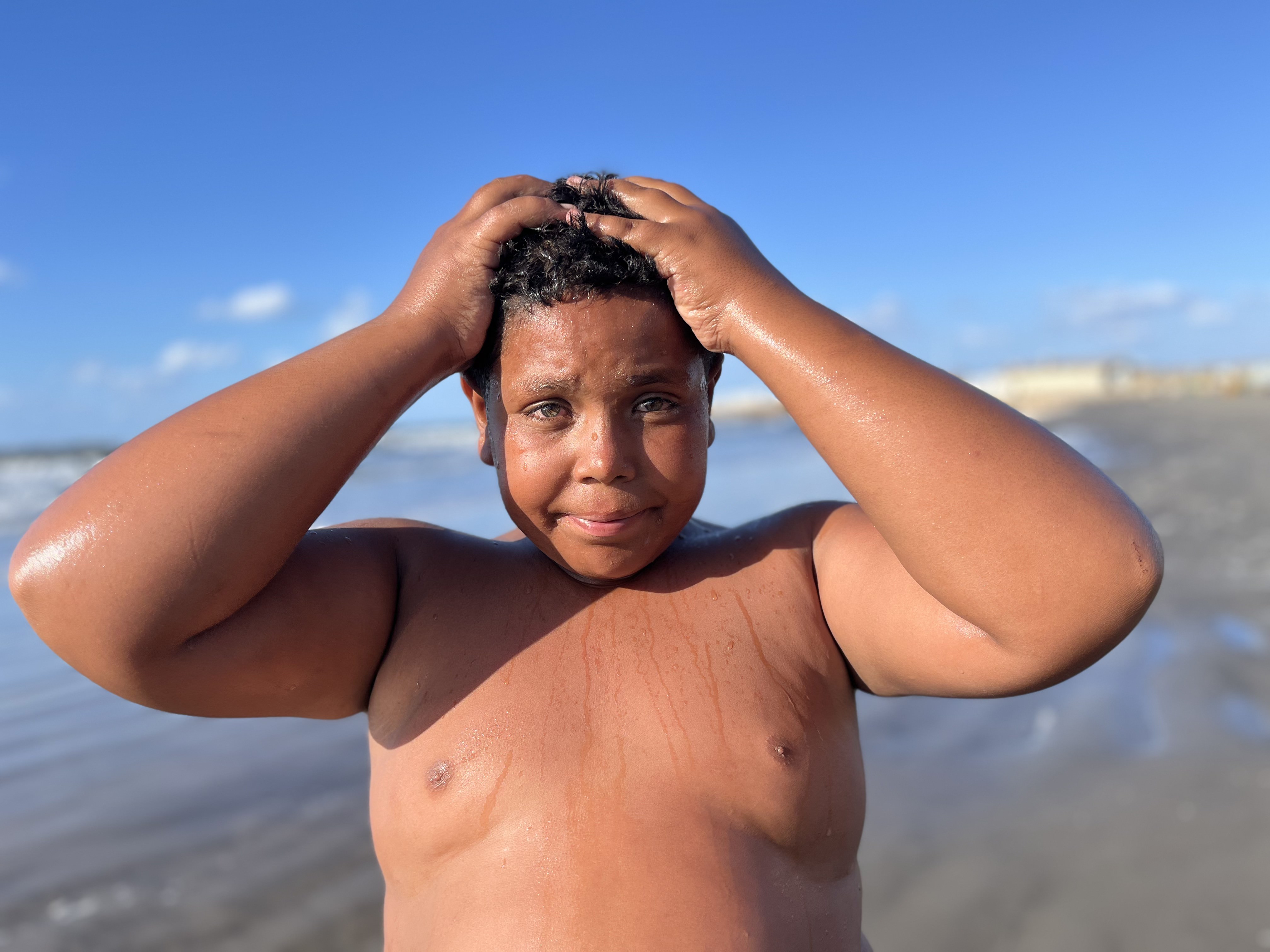
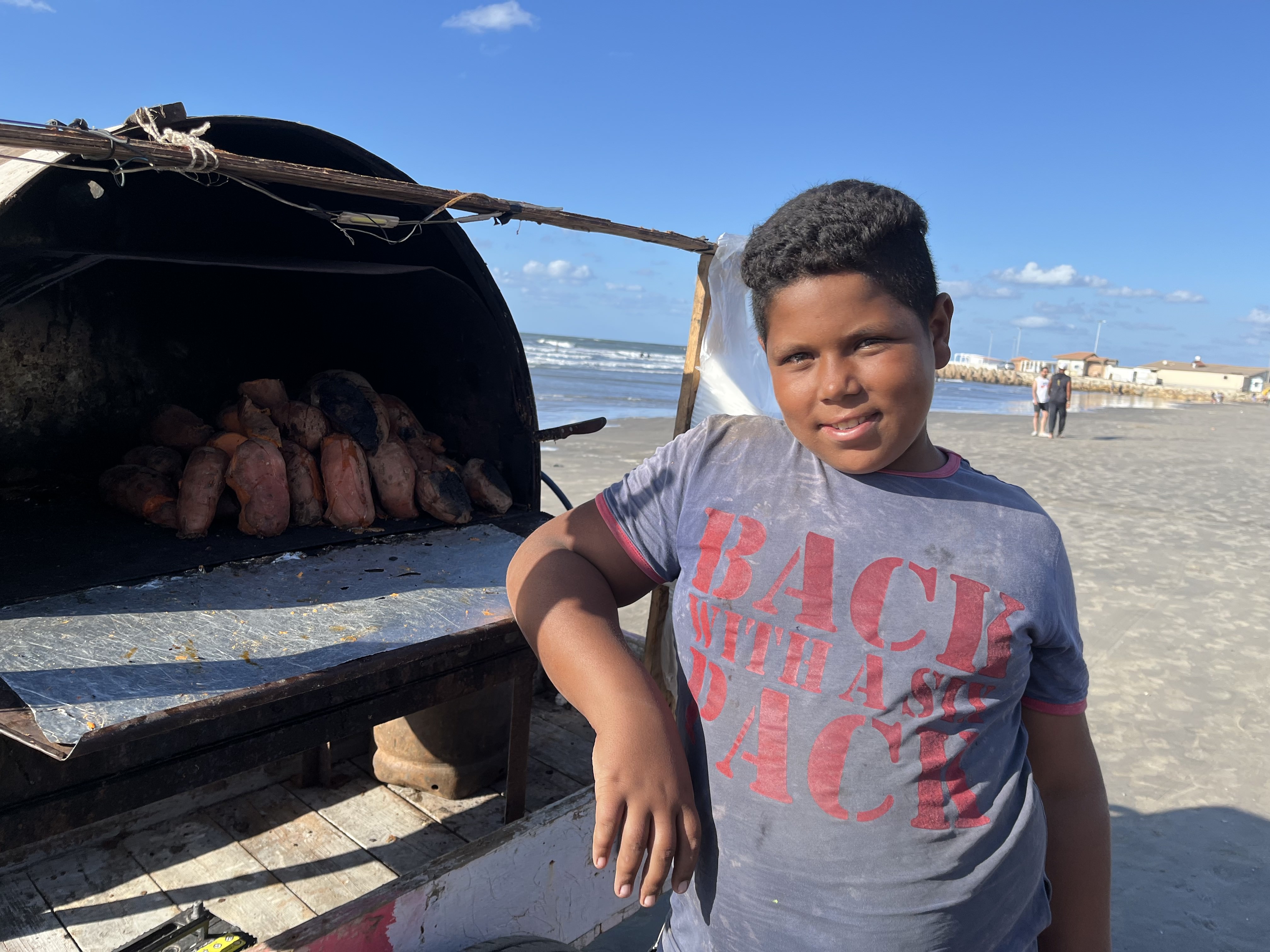
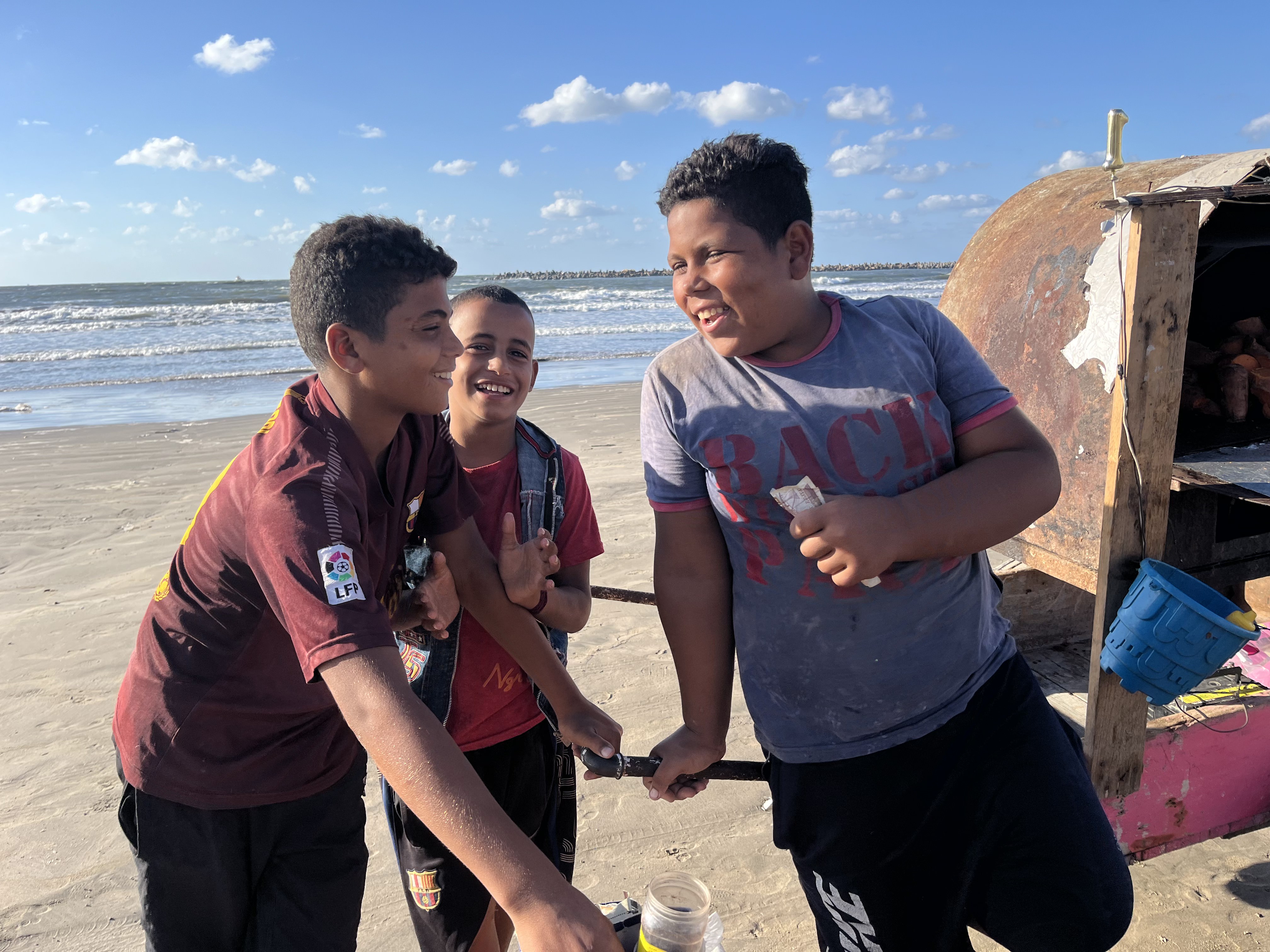
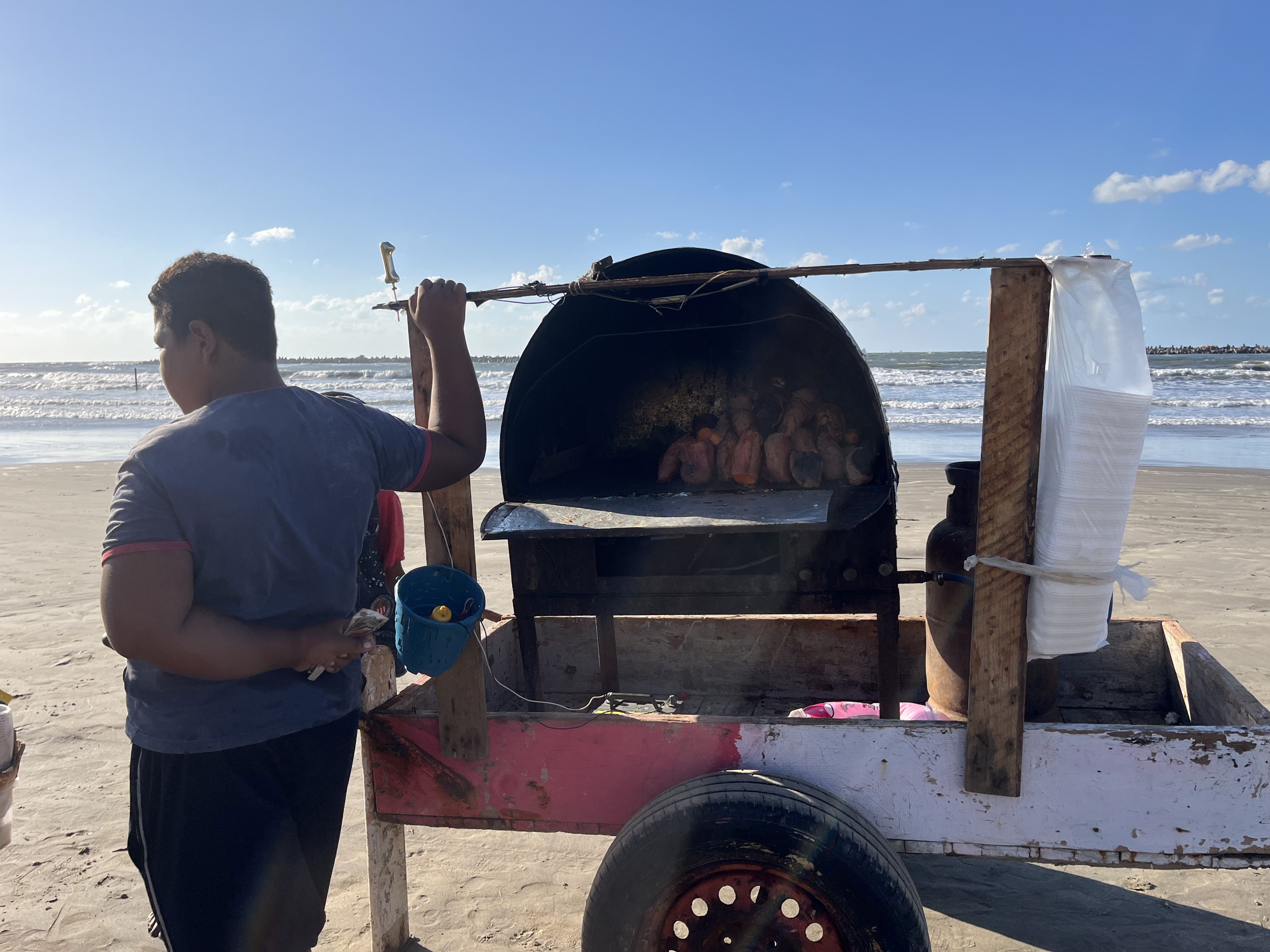
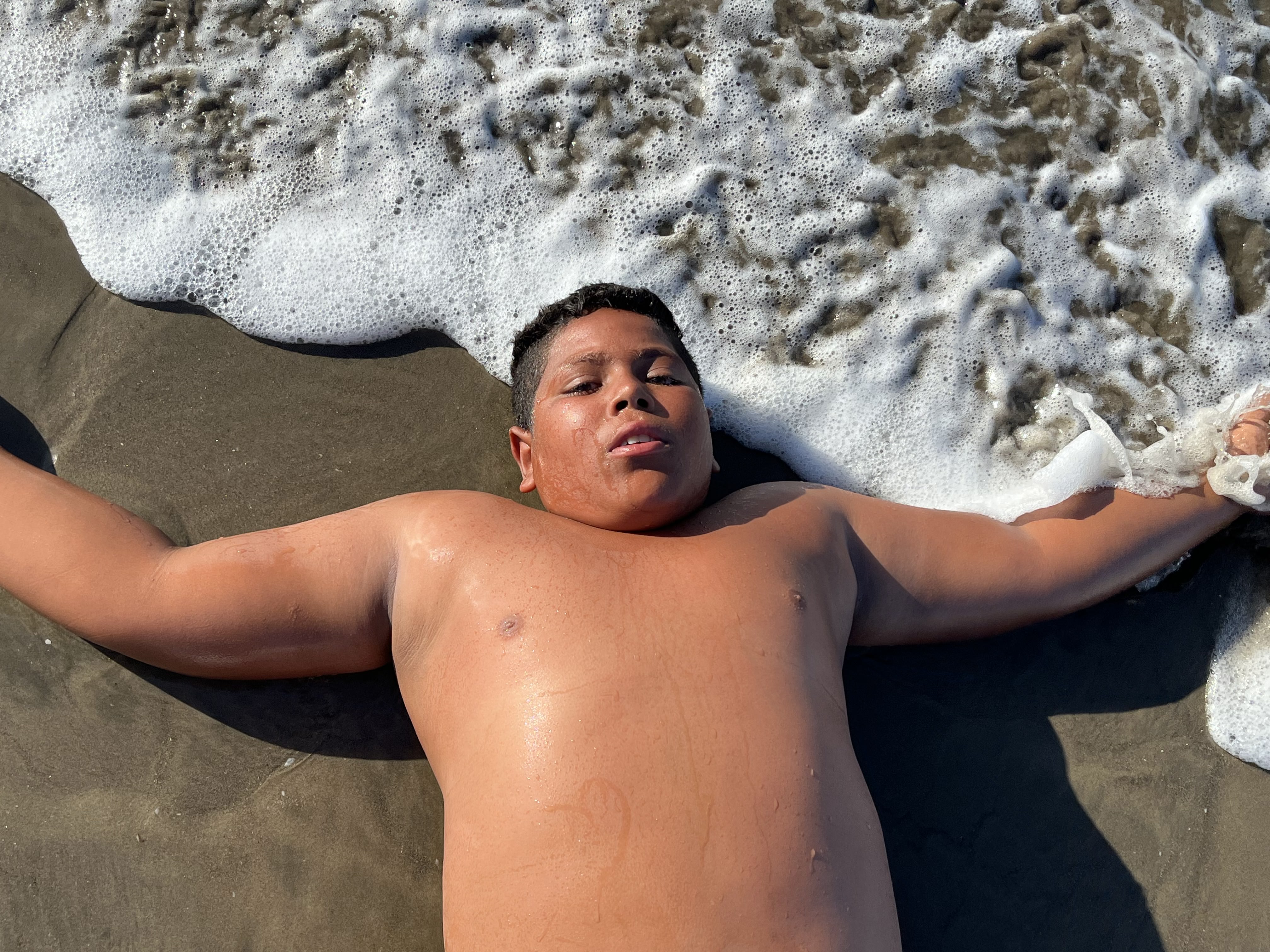
In the summer resort of Ras El Bar in Damietta, I met Mohanad, a fourteen-year-old boy who knew nothing of his childhood except for the potato cart he works on all summer.
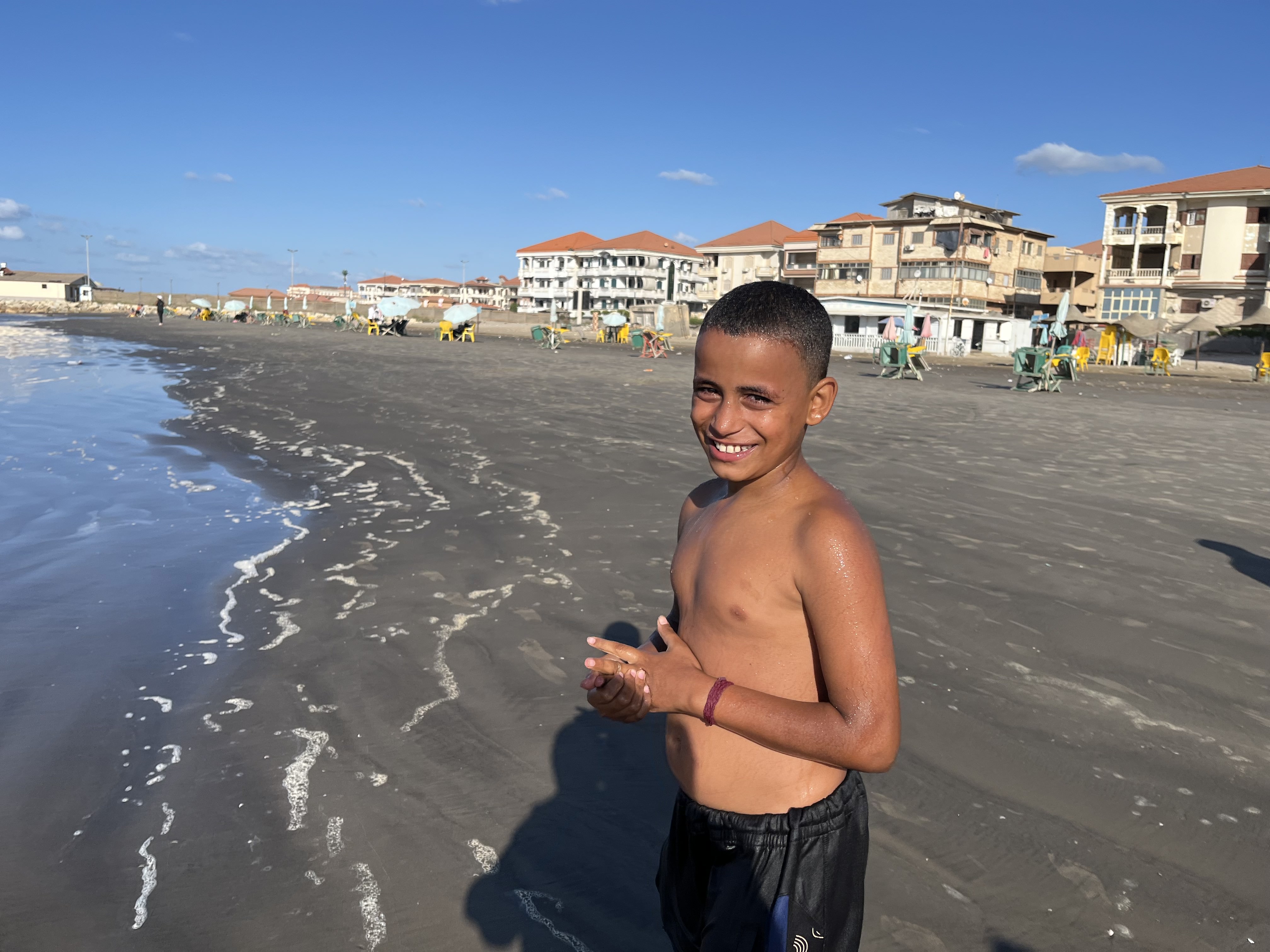
Mohanad never learned to read or write in his village in Asyut, the province he came from. He didn't understand what I meant when I asked about his talent, as if the word had never entered his vocabulary. But after we spoke about his village, his family, his friends, and how he spends his time in this coastal city (which is, of course, nothing like his city in Upper Egypt) he told me about something, by chance, that touched something deep inside me. "I know how to swim without anyone teaching me," he said. "I came to Ras El Bar and found myself just swimming on my own. I love being on the shore to help anyone who's drowning, and I've saved a lot of people, by the way."
It was as if he embodied the meaning of talent when it stems from need. He didn't seek to discover it, nor did he dream of becoming an Olympic champion. He wants nothing more than to remain as he is, swimming to save others, because that, as he told me, is what makes him happy.
Mohanad's talent was in what he did for nothing in return, to help others he didn't know and who didn't know him.

Mirna Abbas
Mirna Abbas is a 26-year-old documentary photographer, visual storyteller, and agricultural engineer based in Damietta, Egypt. With a background in agricultural engineering, her passion lies in capturing untold human stories through photography and filmmaking. Her work focuses on individuals whose talents remain unrecognized due to societal and environmental limitations. Through her projects, she strives to challenge conventional definitions of talent and highlight the unique potential within every individual.