
The Essence of the People
I Don’t Meet
by Heba Hamza
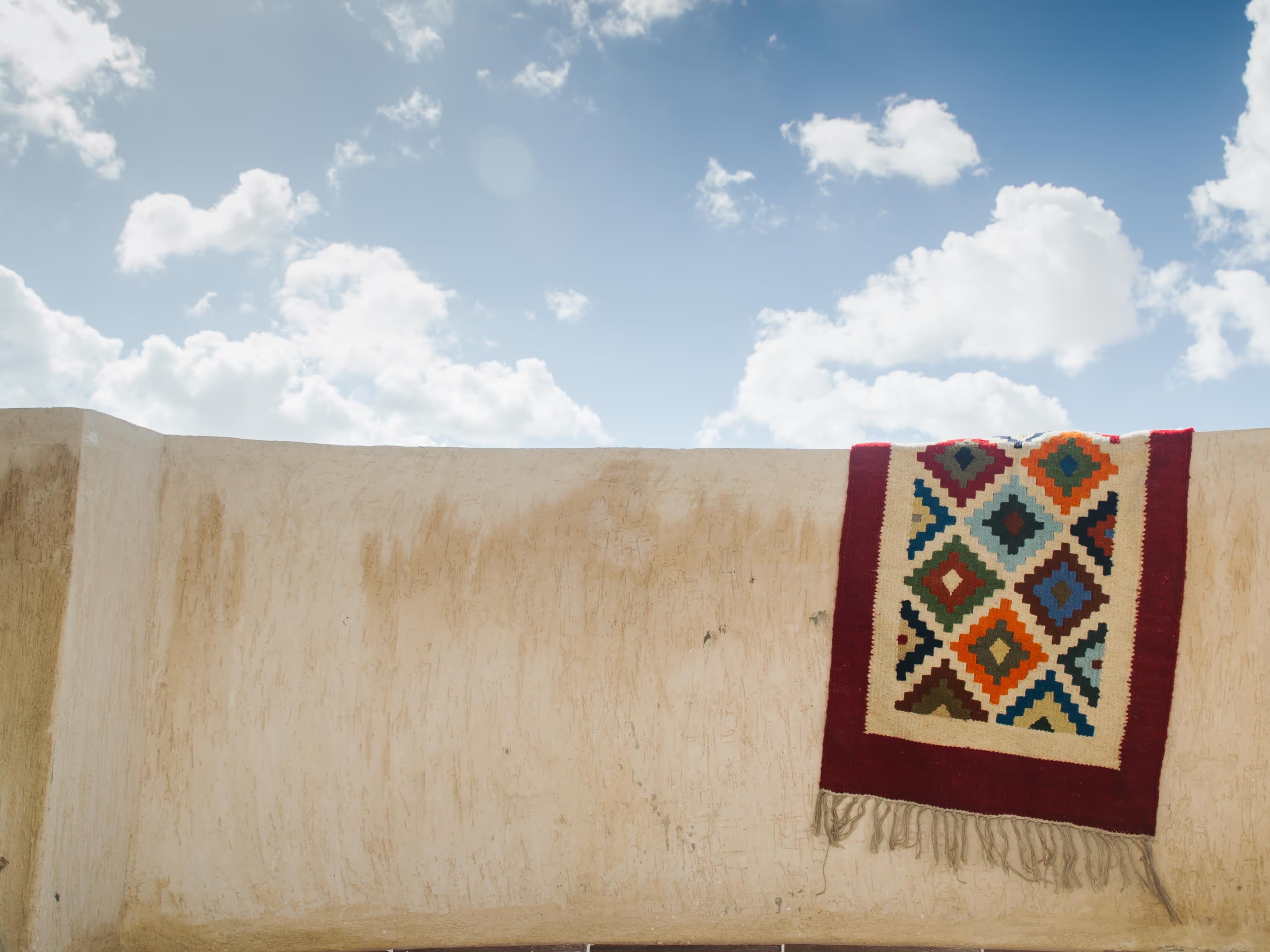
This is a project about the way everyday scenes tell stories of people through the objects they use.
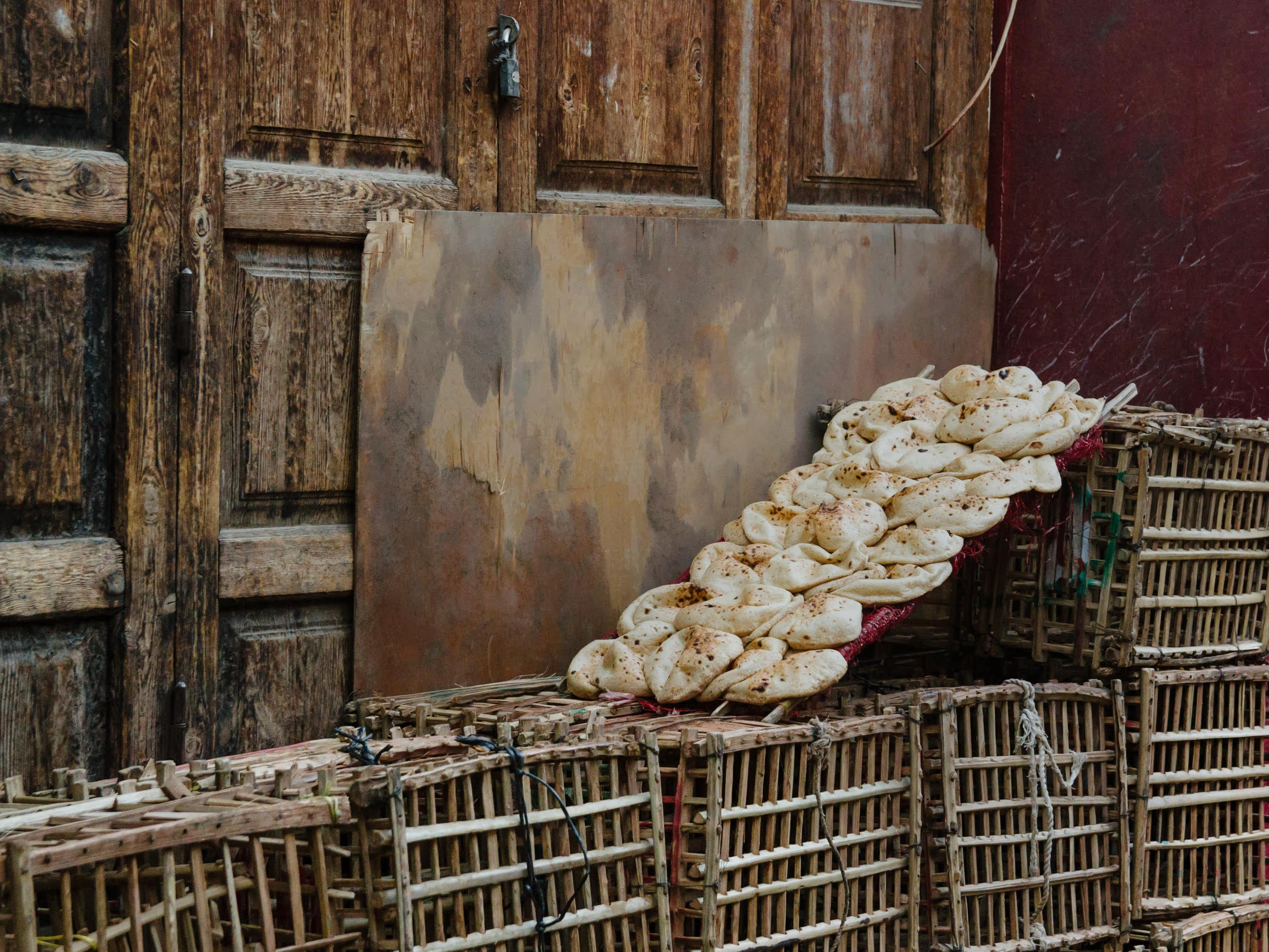
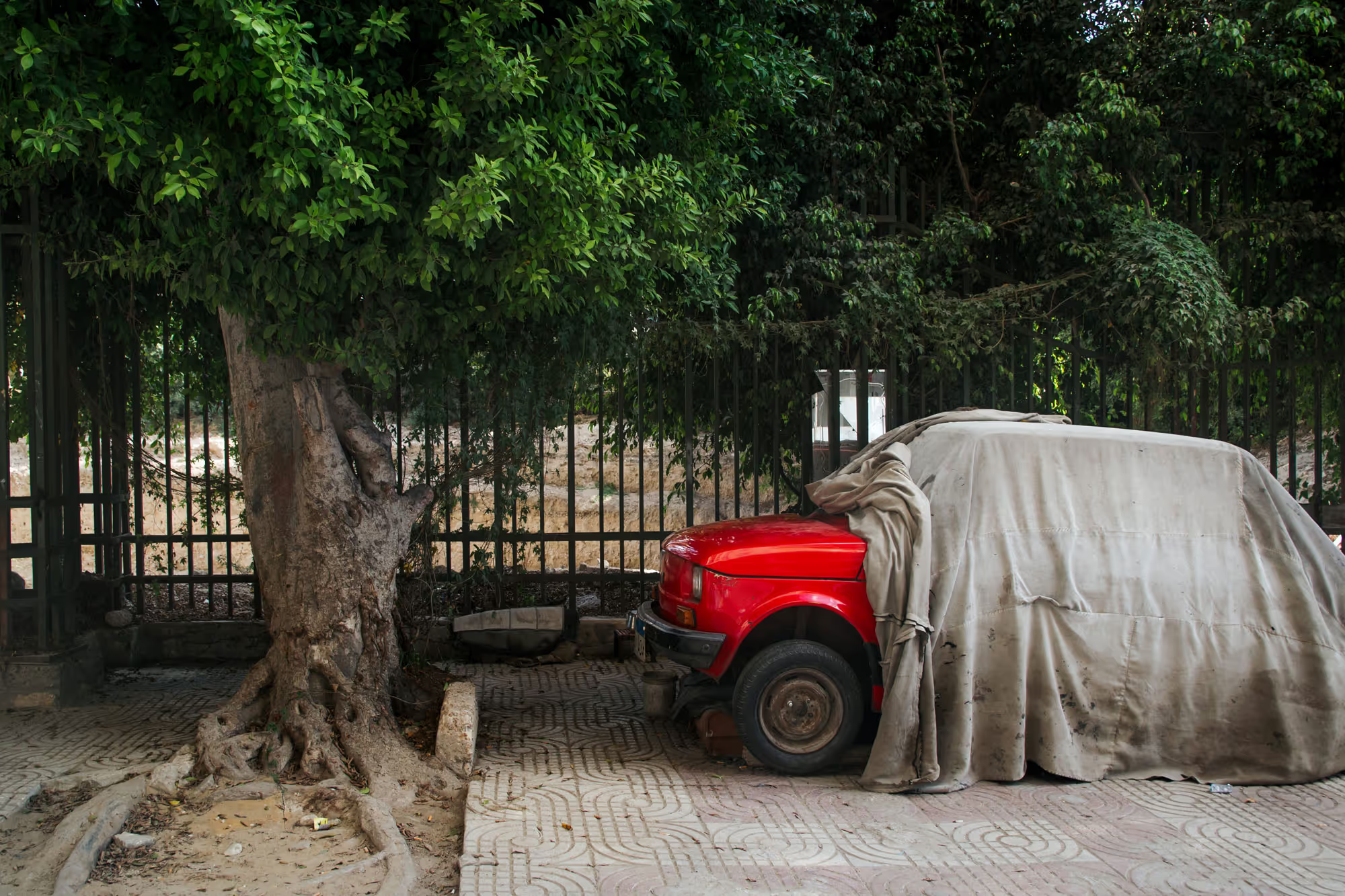
The viewer experiences human traces in everyday scenery and how humans project themselves onto their surroundings. I chose the title “The Essence of the People I don’t Meet” because it conveys exactly what it feels like for me to come across these scenes, a feeling I hope translates to the viewers as well, for these scenes are special because of what lies behind them. This keeps me keen to look around for all the signs of people I come across. We usually conceive people –at first- through how they look, what they wear, and how they carry themselves. But seeing a person through their traces allows you to see them in another way. In addition, I want to point out an overlooked side of Egypt, since the elements I documented are a projection of parts of the Egyptian culture. These scenes might seem messy and random at times, yet they are rich in meaning, in ways that overshadow the first impression. A picture at a time, I want you to get more familiar with why people leave these traces, and hopefully, you get to feel the warmth this country is so known for.
The project is a reminder to the viewer to pay attention to their environment and read more into it by noticing the stories being told in the small things. For after all, there lies the true essence of a human.
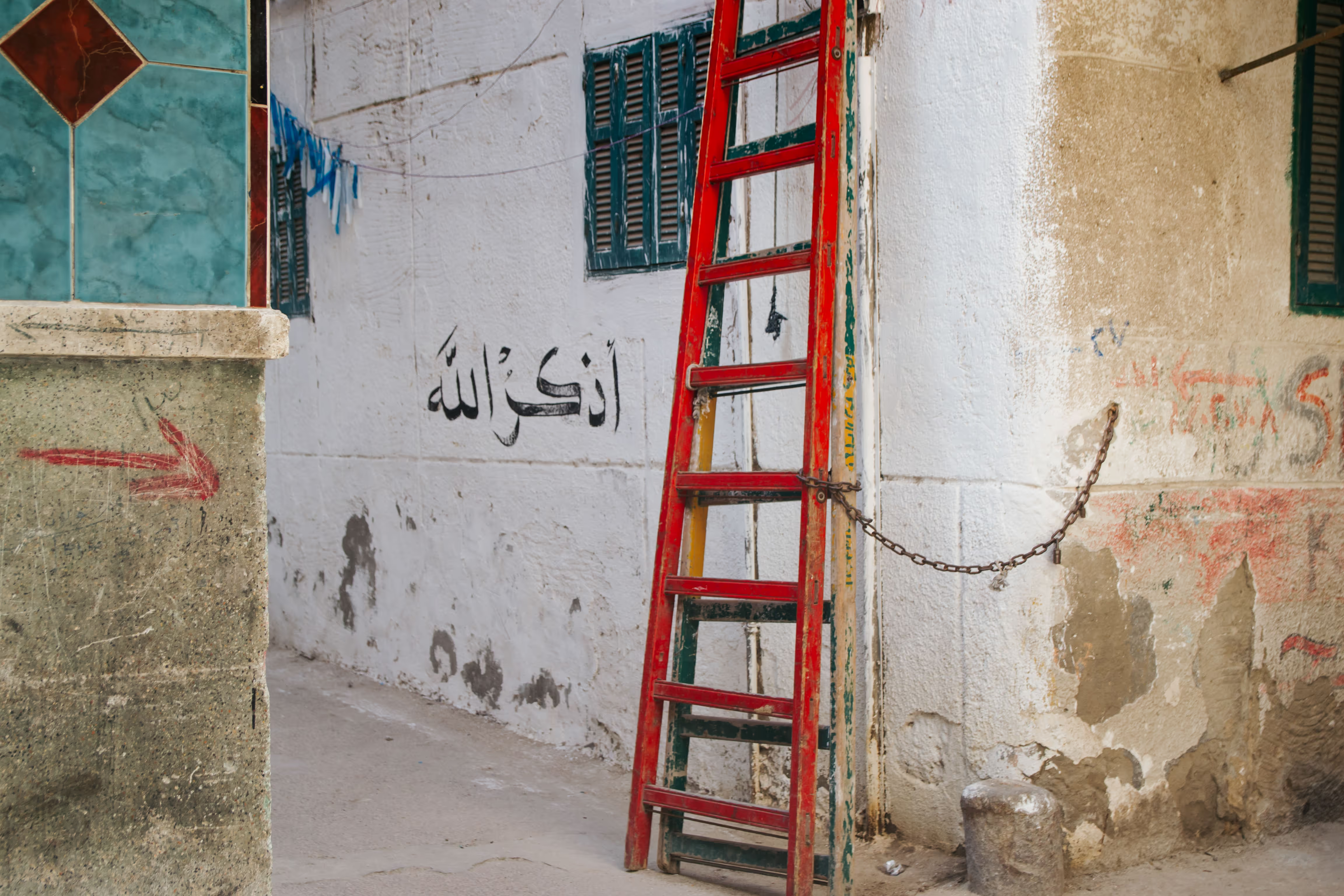
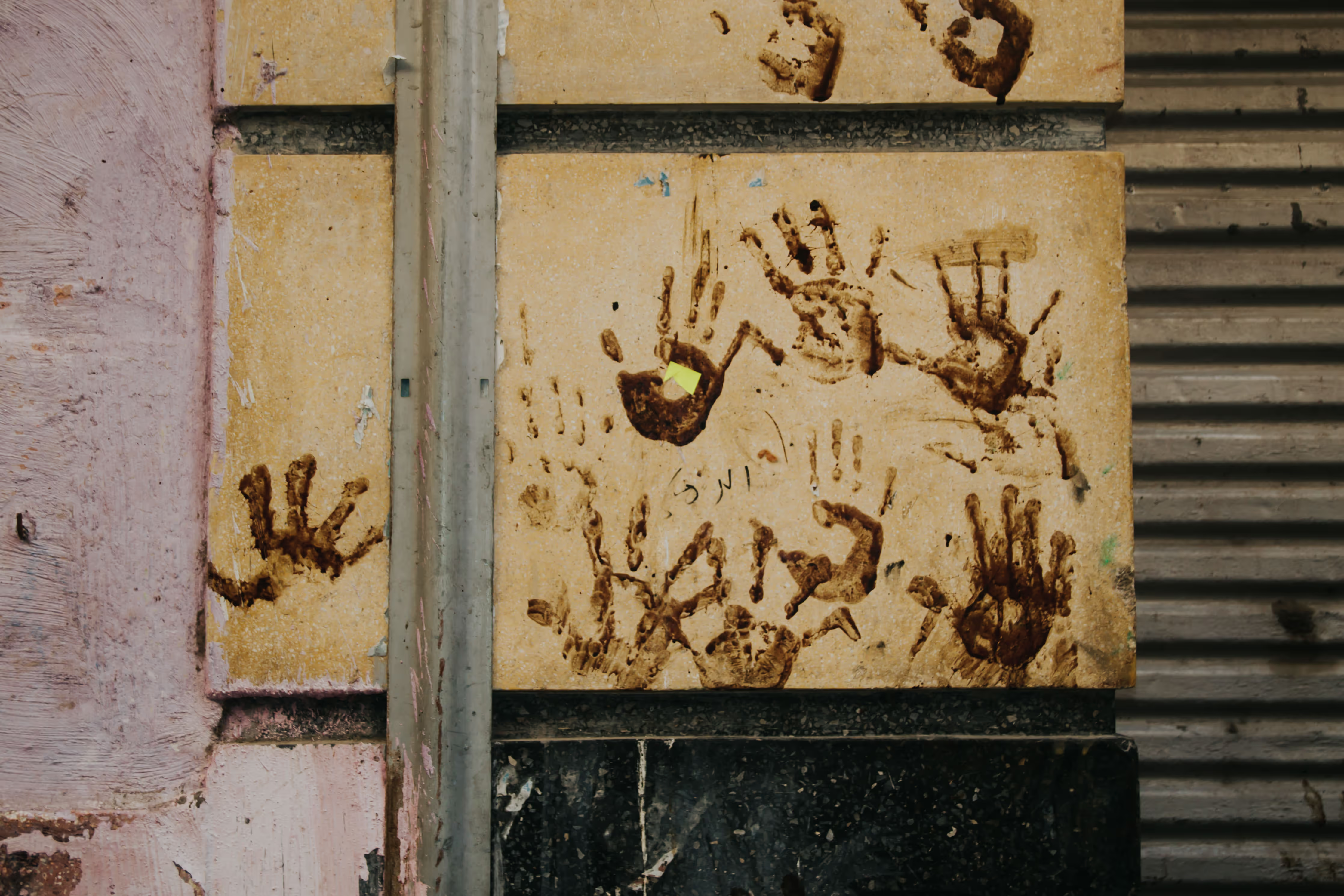
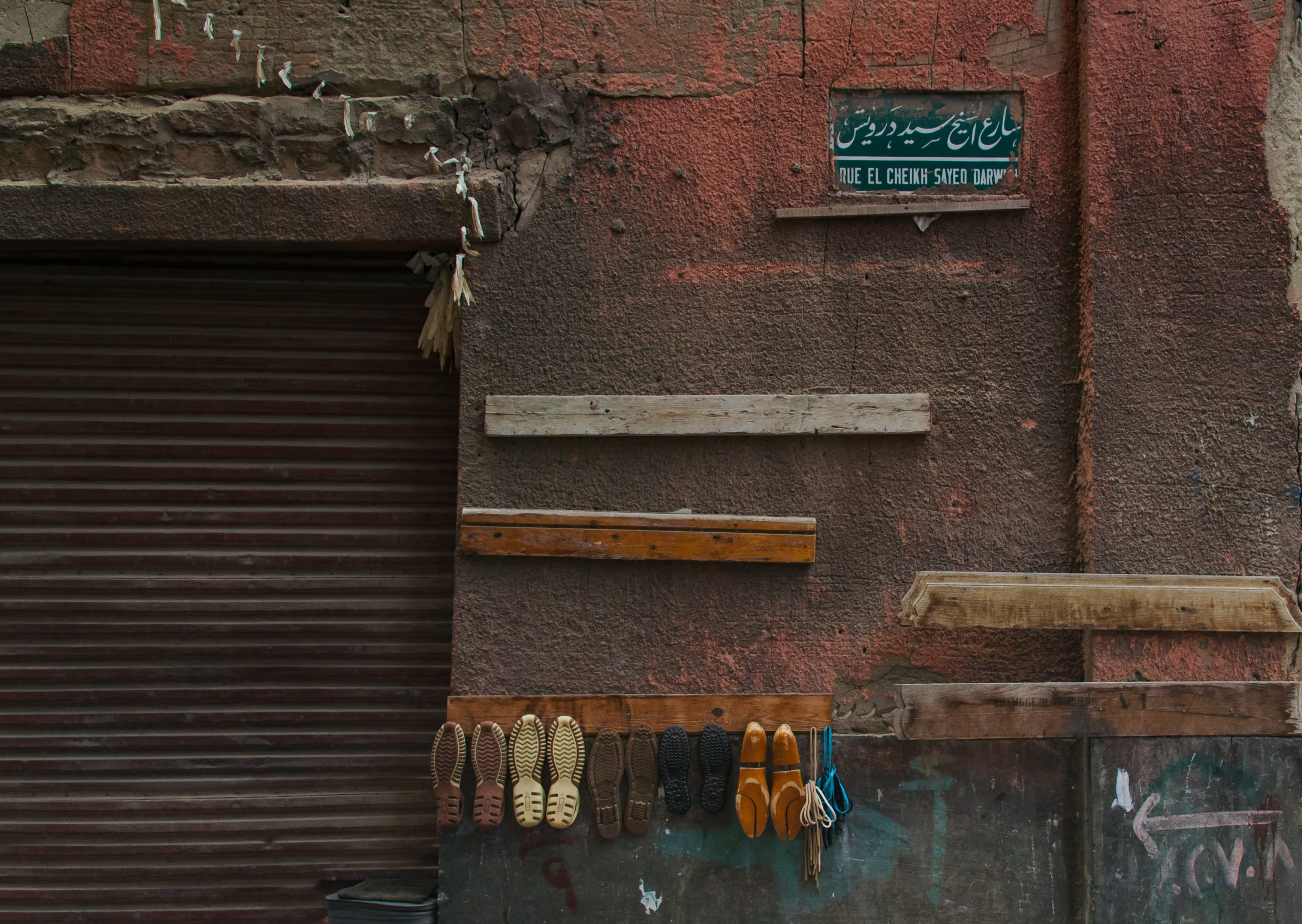
One summer day, I was walking on an old street in my city, Alexandria, Egypt, my camera hanging from my neck, searching around for something beautiful to photograph. I was surrounded by weathered walls and very old buildings. The more modern neighborhoods might “look” prettier, but the storyteller in me is always fascinated by the effects time has left behind, as, naturally, older places hold more history.
I turn a corner and come across a scene that feels so homey to my Egyptian soul. Simple, basic, not at all pretty at first glance, yet it has a lot of personality, age, and authenticity. To me, it conveys liveliness at its most.
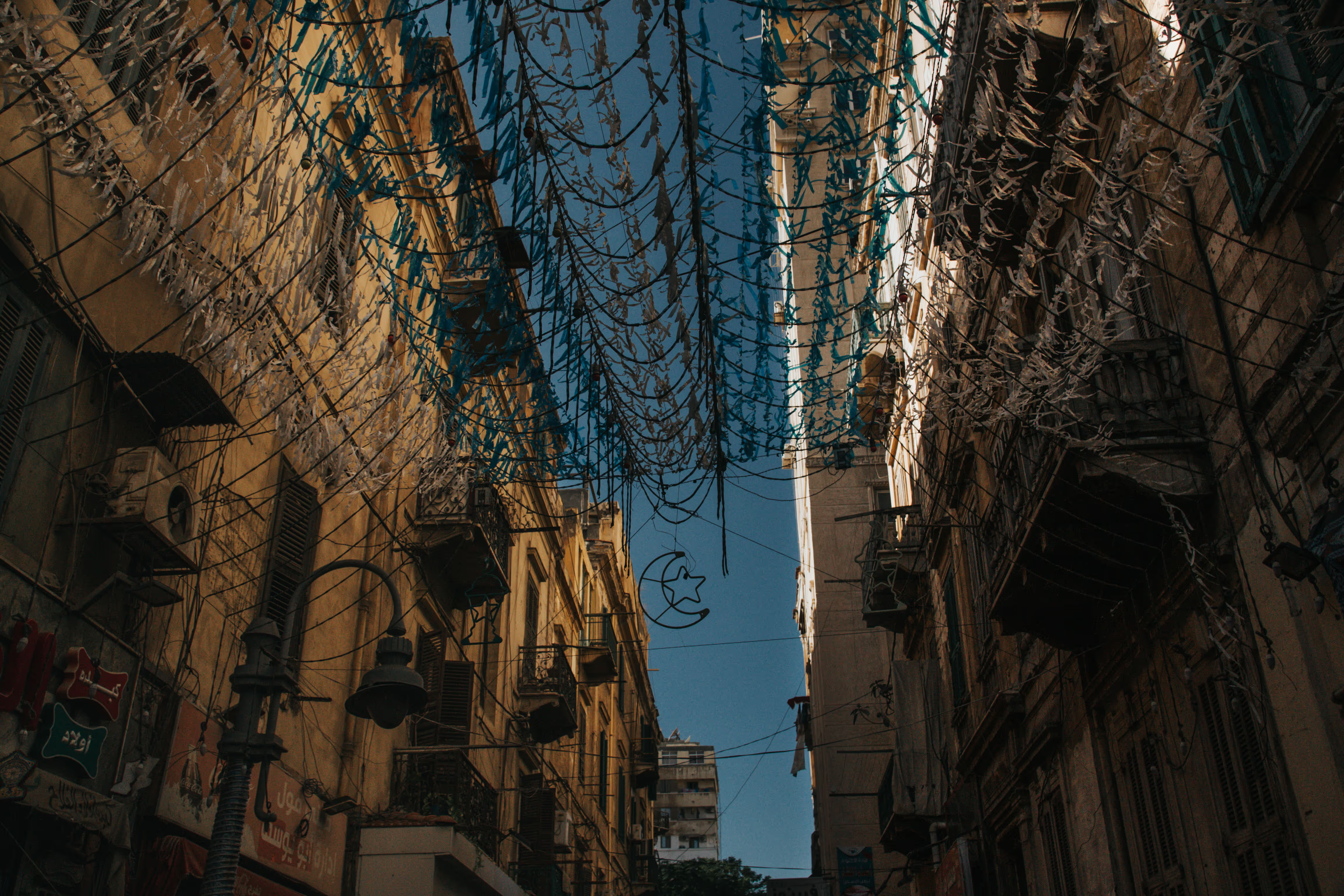
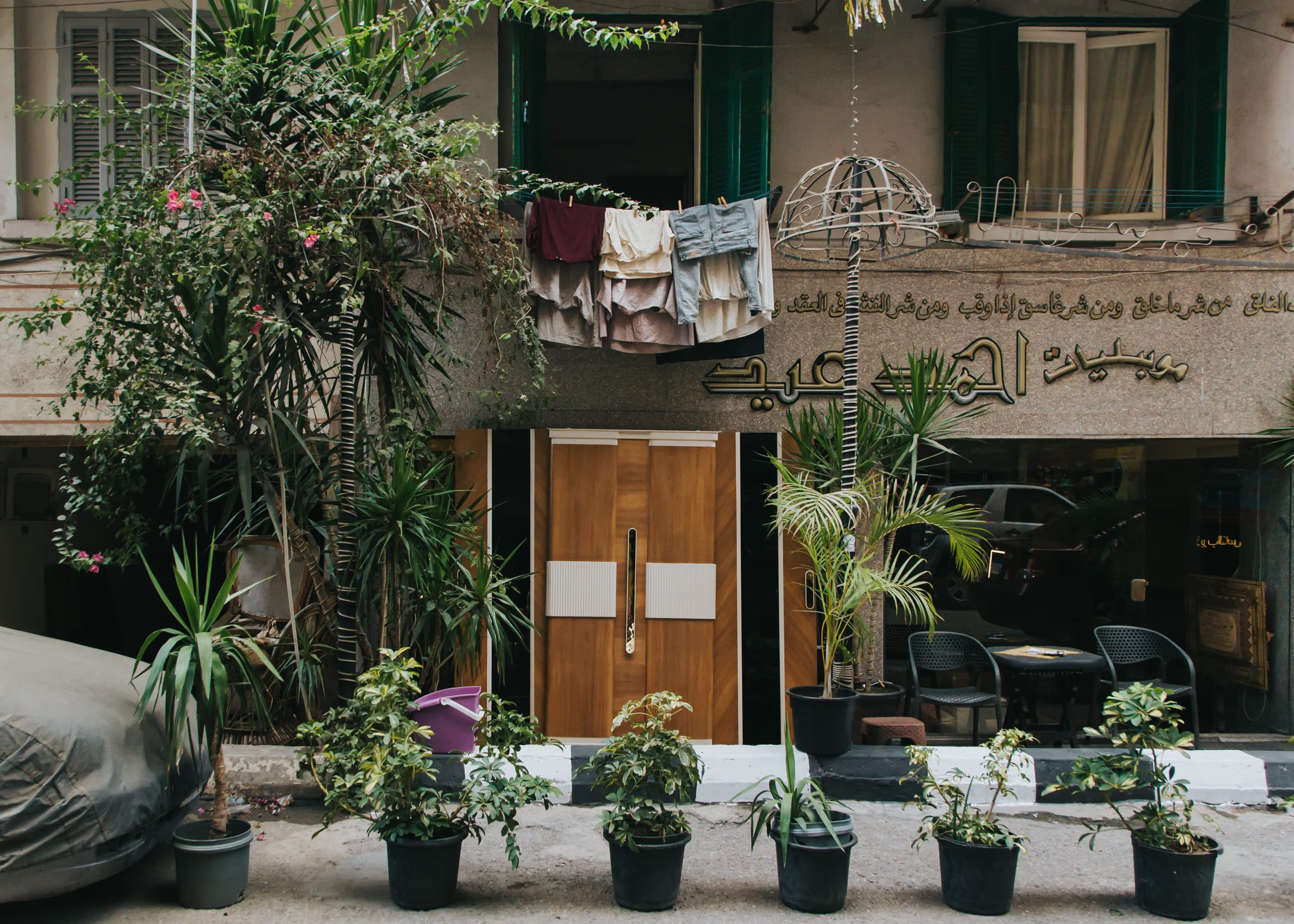
Here is what I saw: a typical wooden chair found everywhere in Egypt, an old wooden workbench fixed many times to still function, open window shutters with a pillow put out to air in the sun for good hygiene, a sign that quotes religious verses, and tinsel hanging across to celebrate the holy month.
The indicators of daily life encompassed within weathered walls perfectly captured the essence of my people.

The idea of a human’s trace has always fascinated me. I find that passing by something that a person has left behind is a story being told. I start to get familiar with that person with every detail, almost as if these details were left there for that purpose, unintentionally. It means I get to meet somebody through their essence, even when I don't meet them at all.
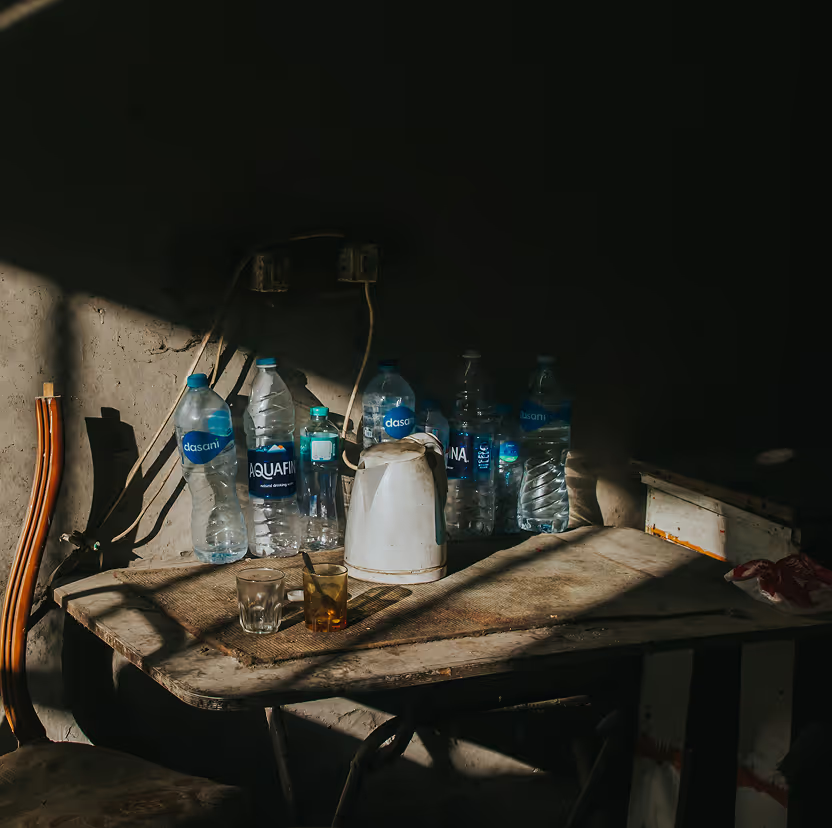
There is just something honest about a trace left effortlessly thoughtless like this. The wear of the fabrics on the chair, the placement of the cup of tea, the healthy plants, the tired radio, and the brooms that have brushed hundreds of meters of concrete, again and again… traces that are unseen but for endless repetition and pure presence.
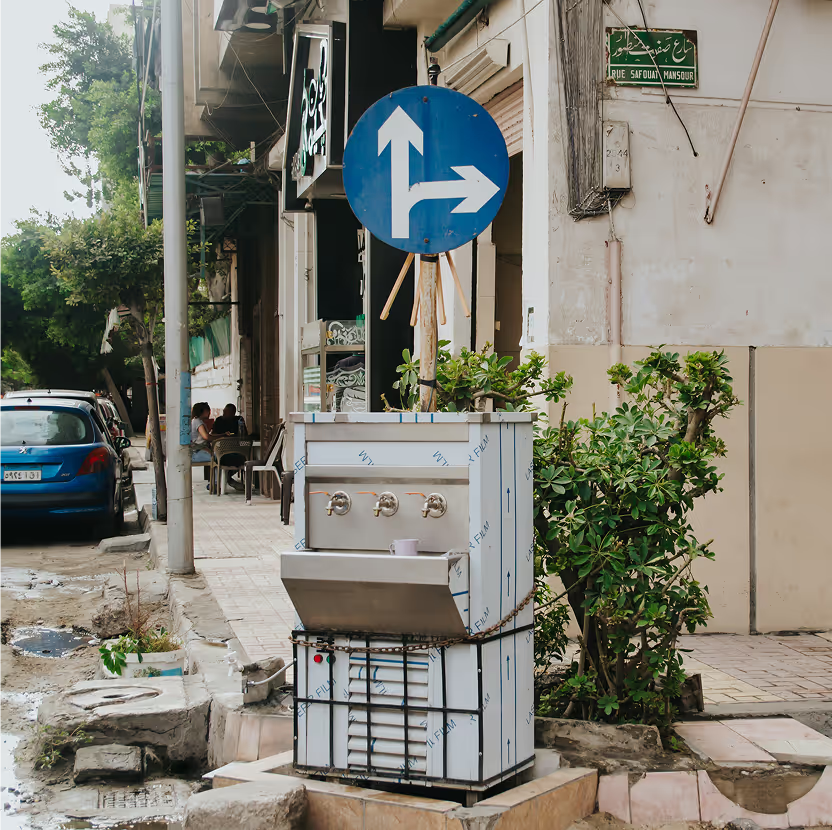
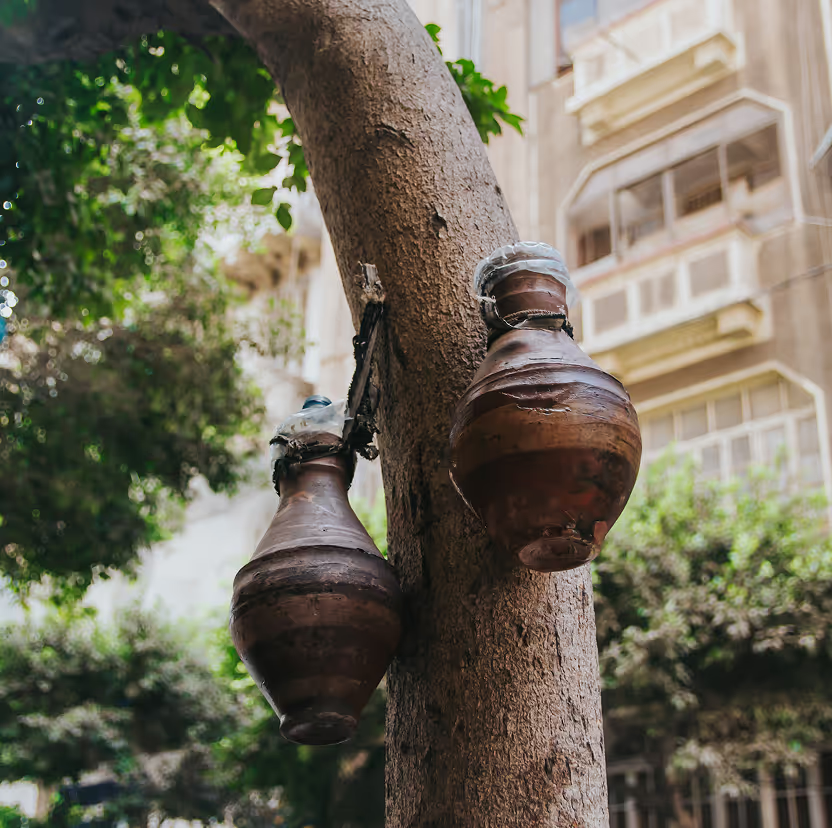
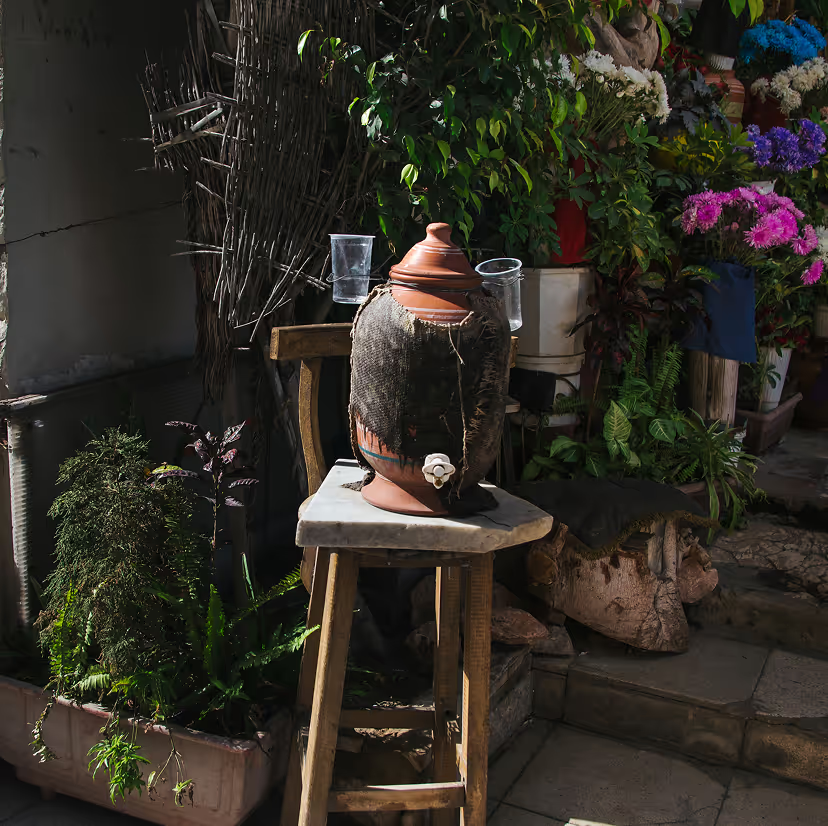
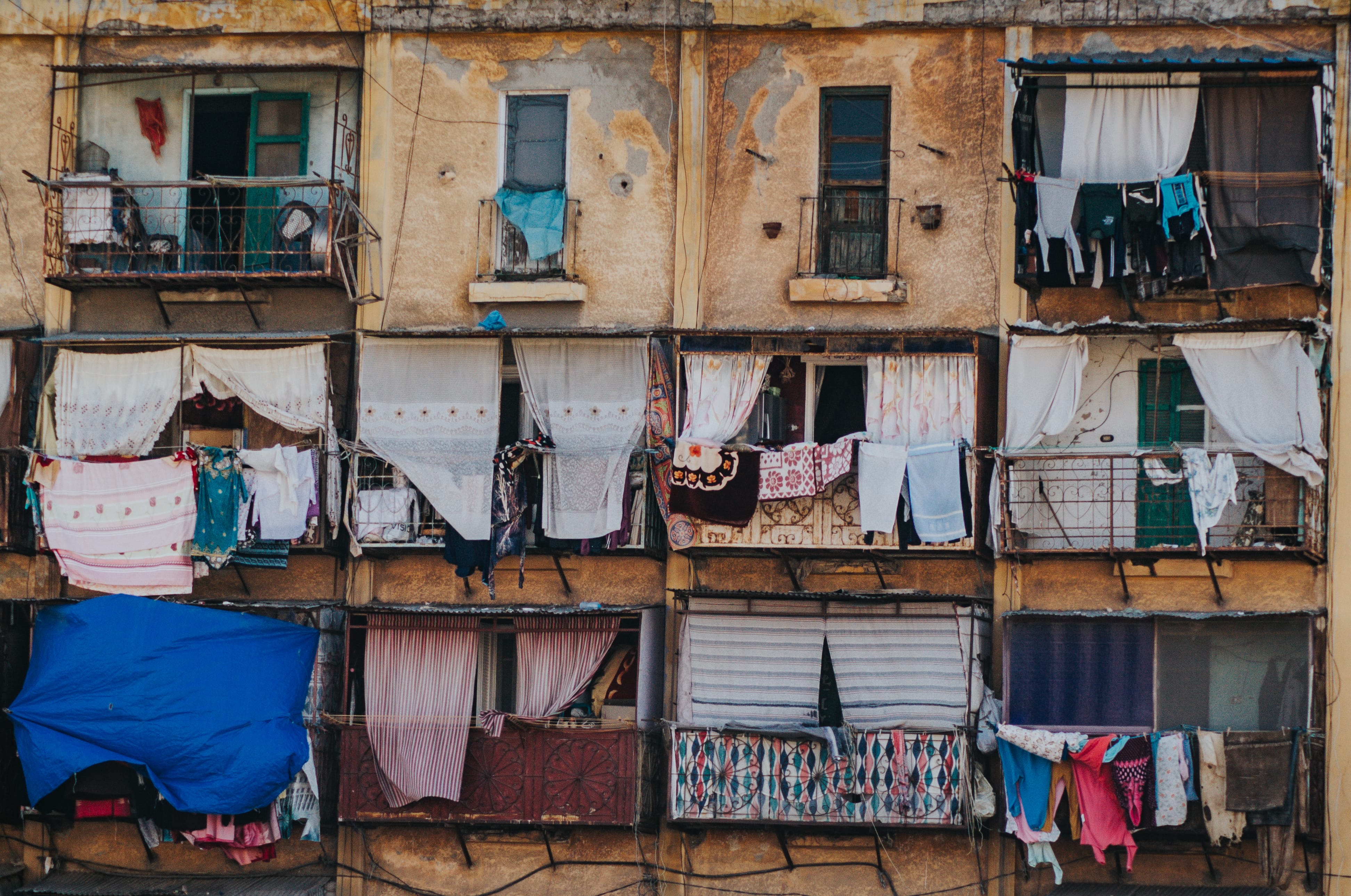
I’m drawn towards the almost empty cups of tea between two chairs that are pulled closer towards each other, the scene of a hearty conversation. And the container of water that was put out for strangers to drink, a simple and genuine gesture. The handwriting on a wall, the clothes hanging on a washing line, and the holy book in a parked car that seems worn out from being regularly read.
I see the people who lived here and passed from here, the stories that are told in the blink of an eye. Every scene holds stories, characters, and lives.
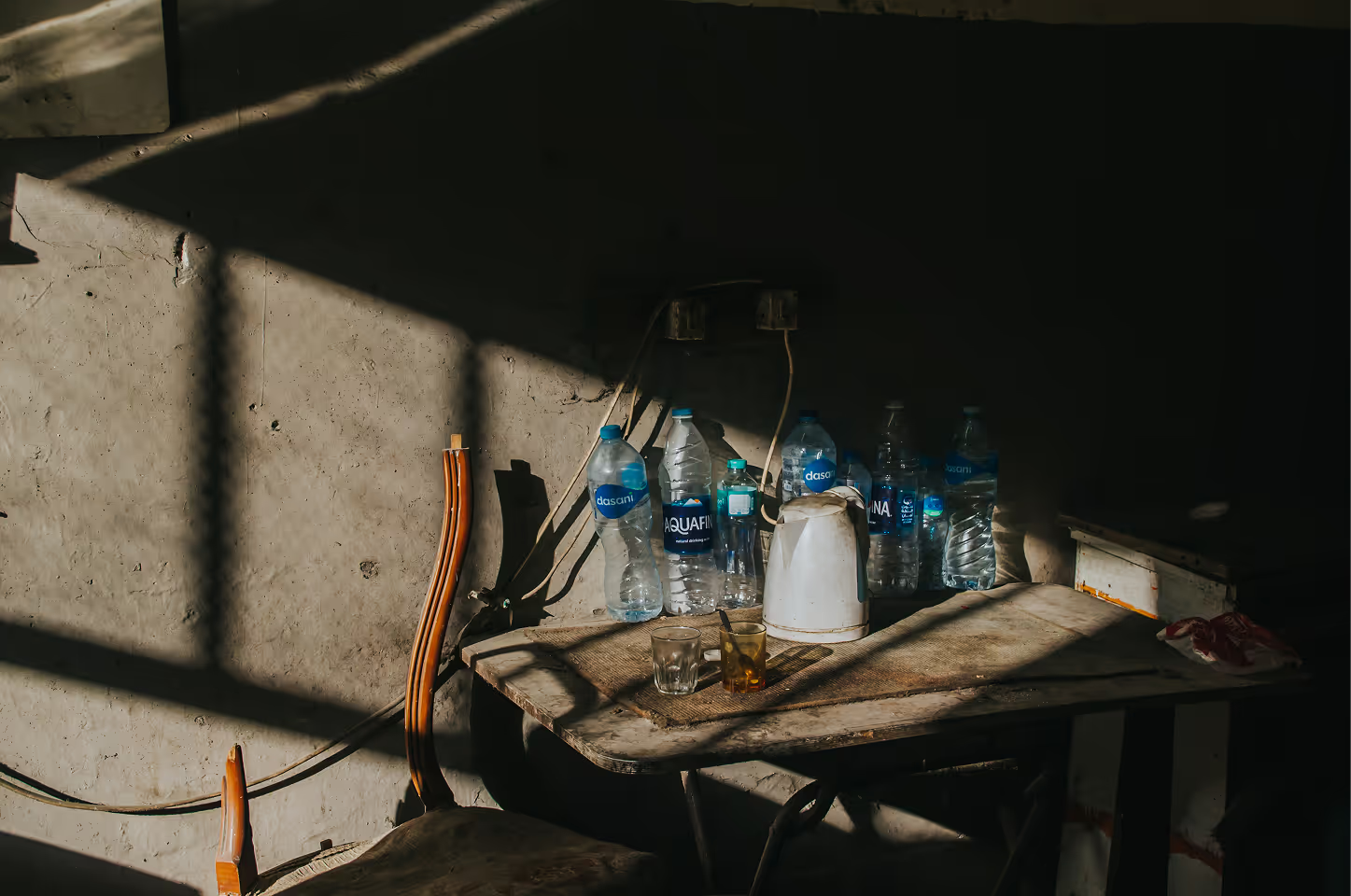
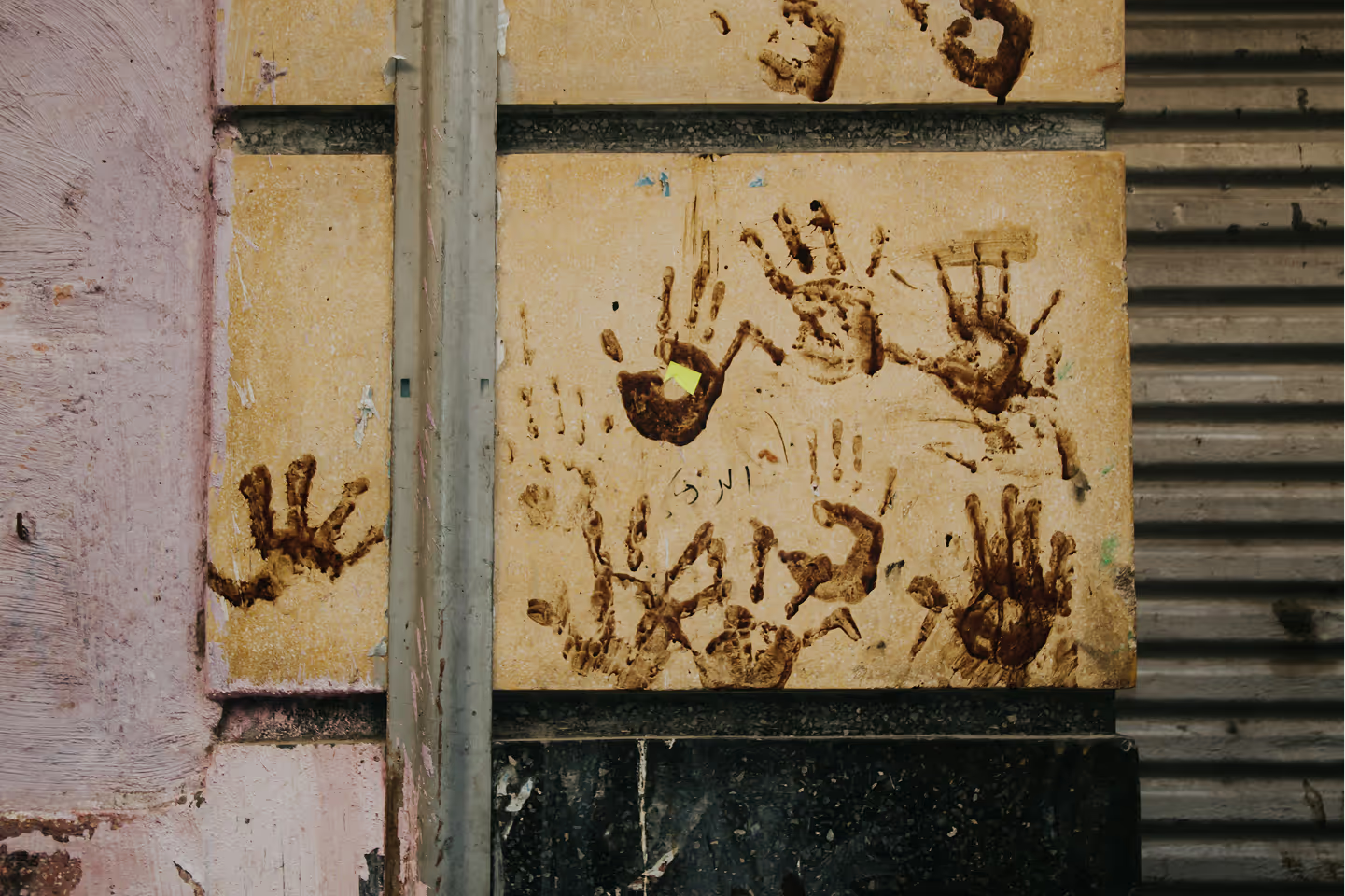
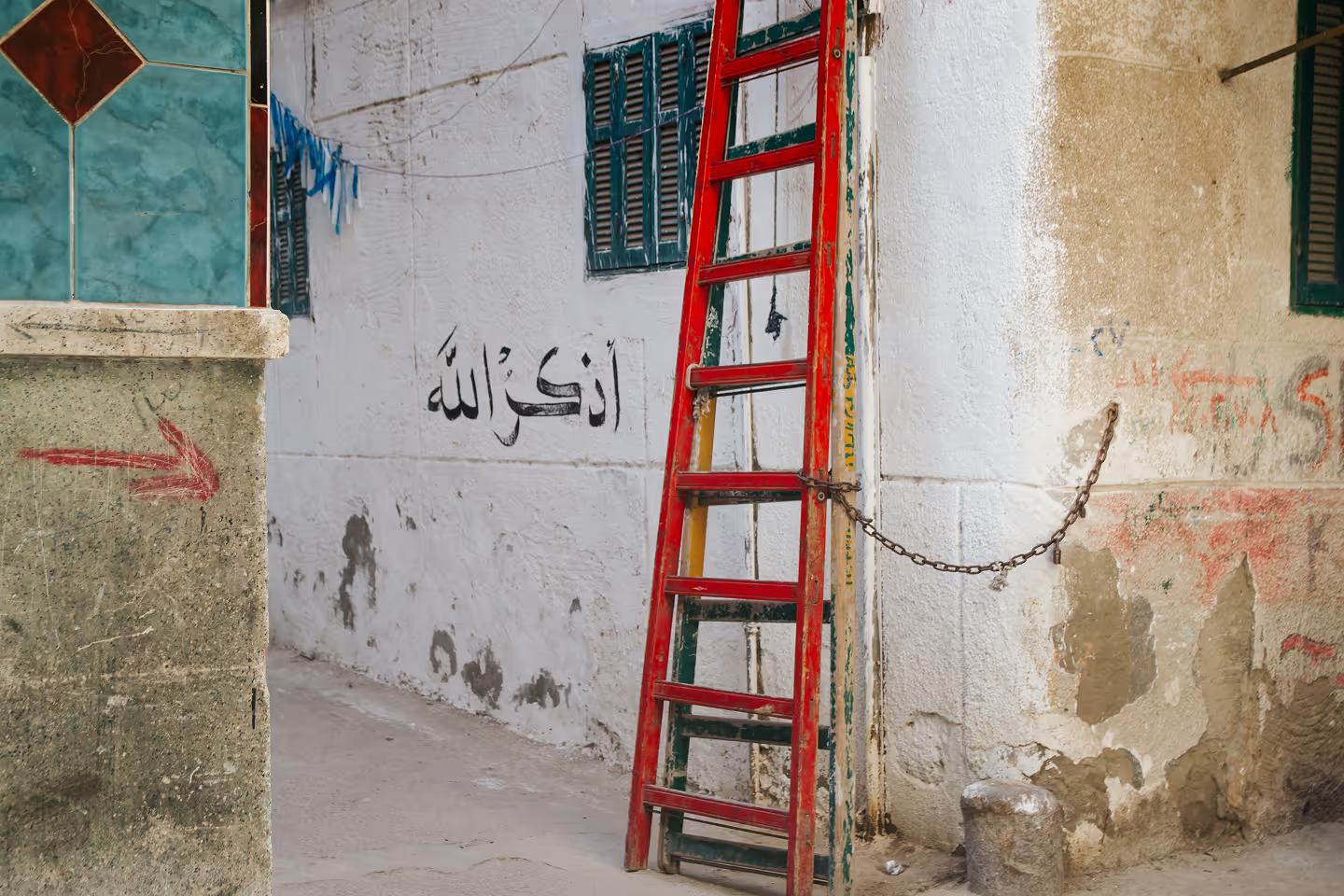
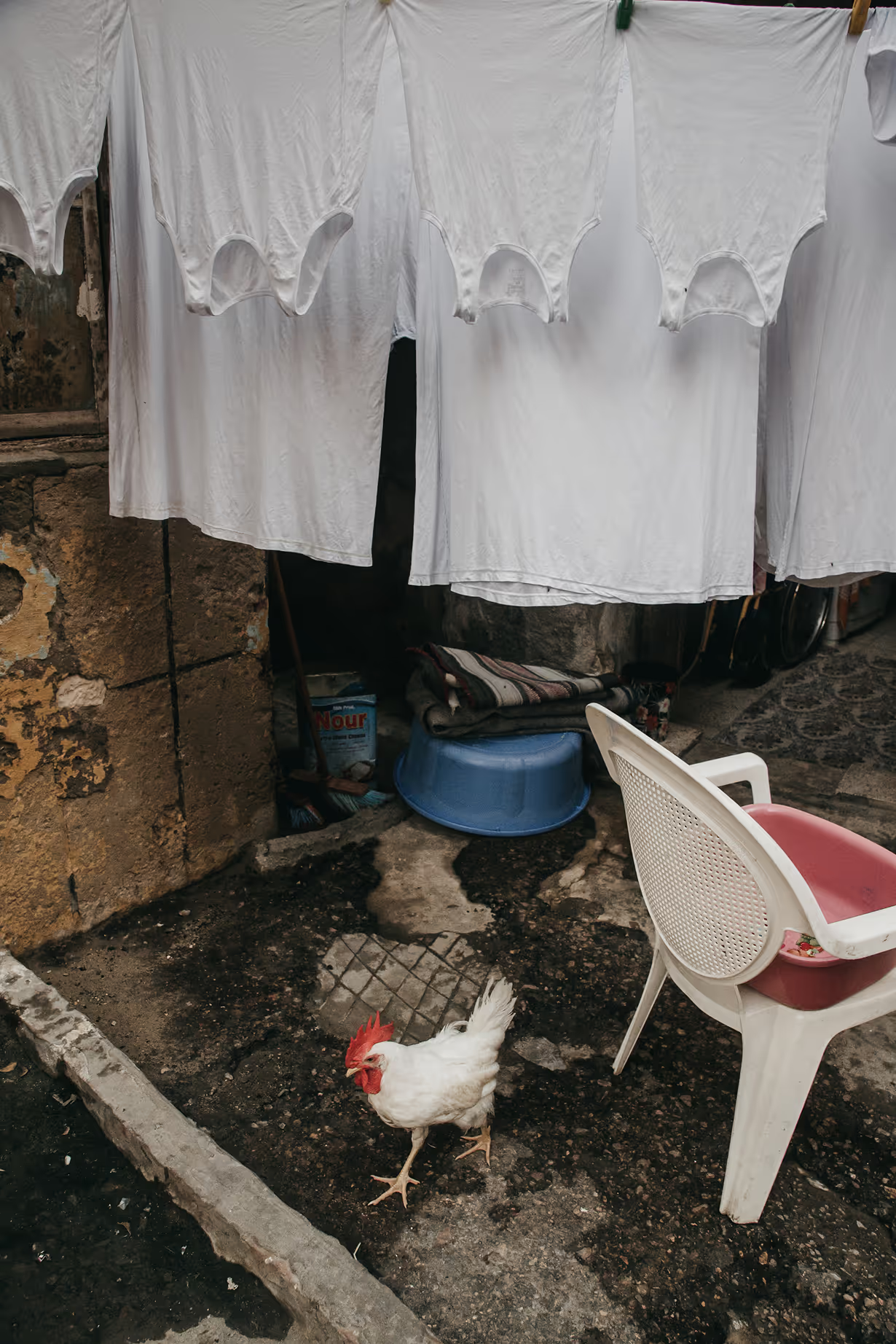
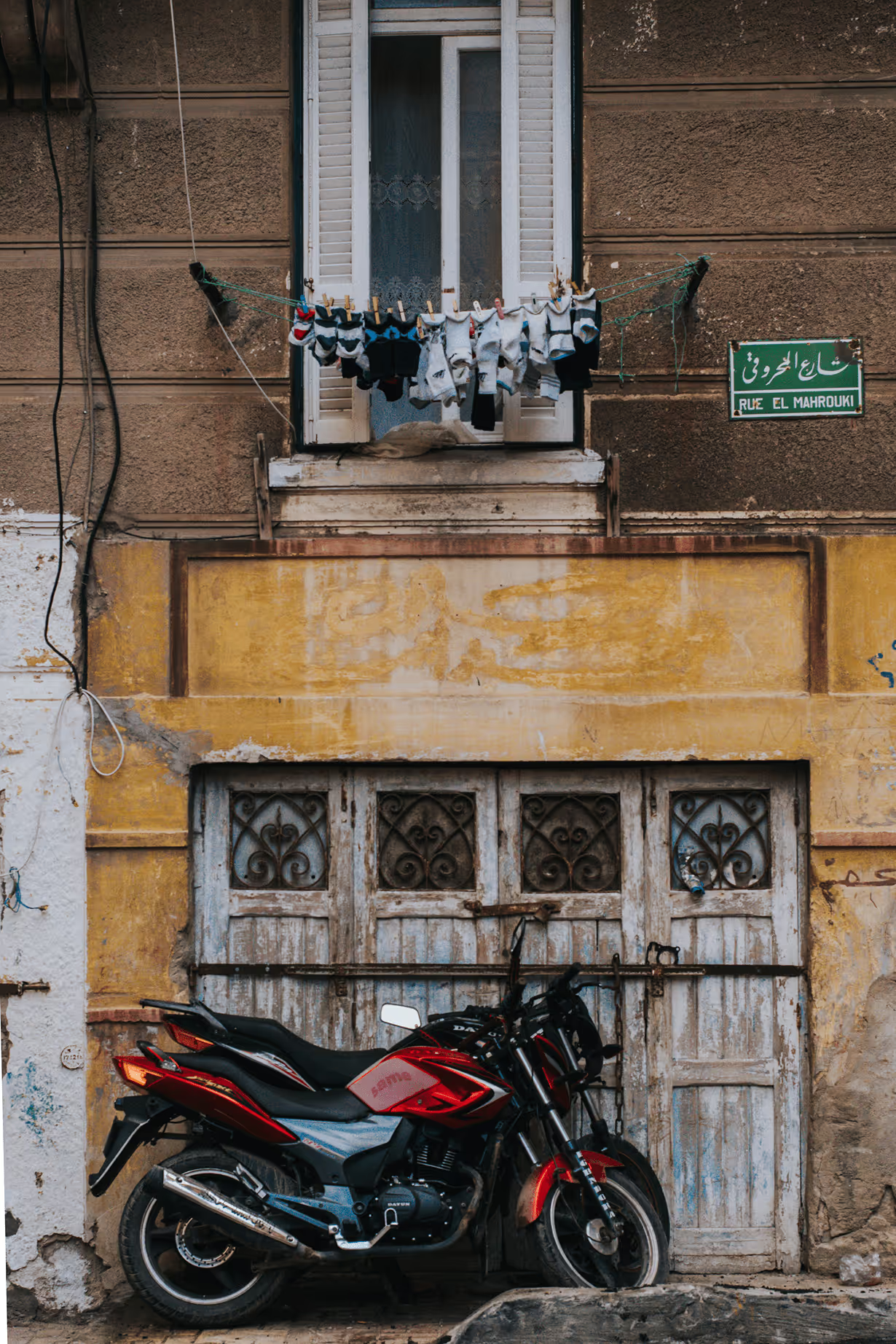


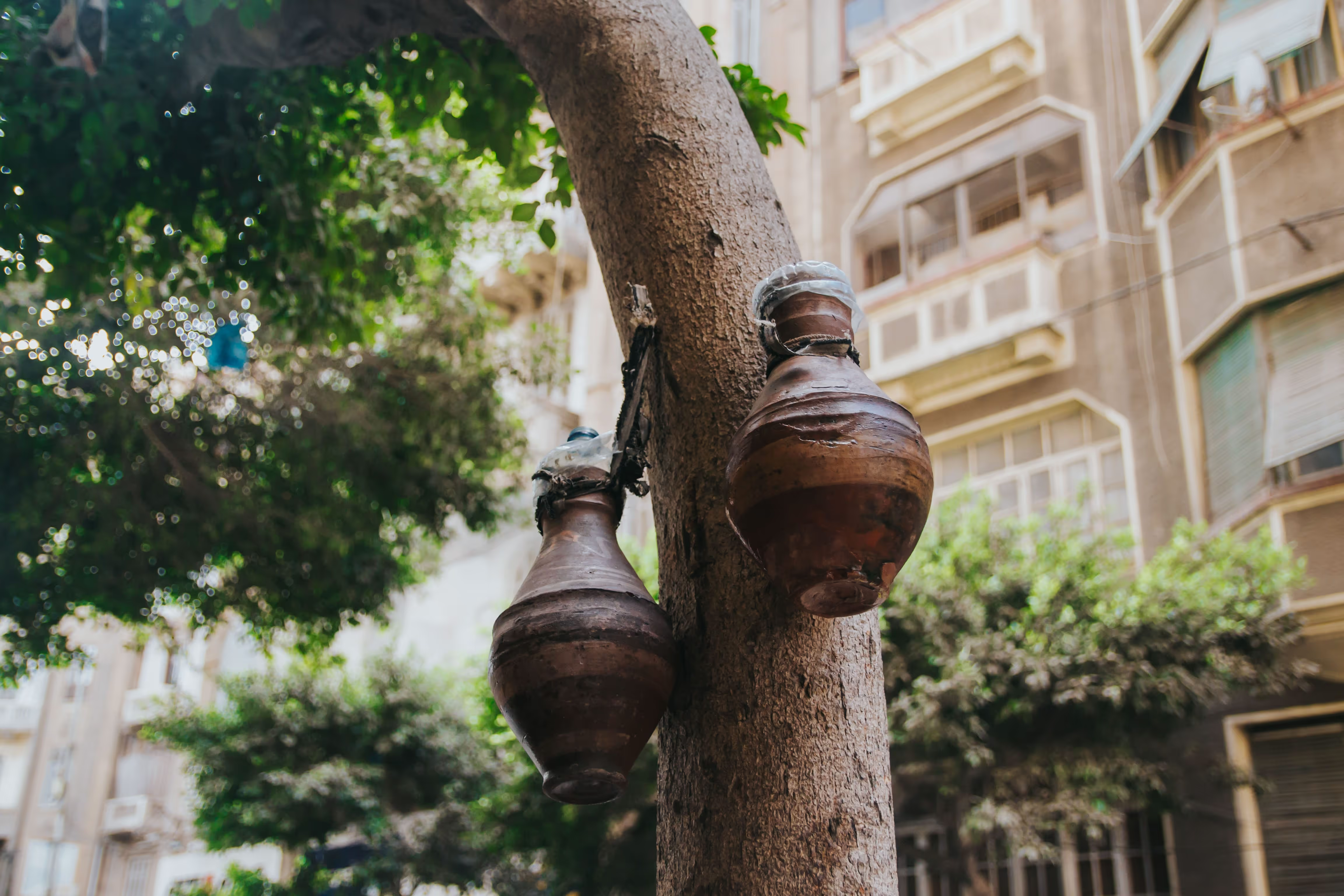
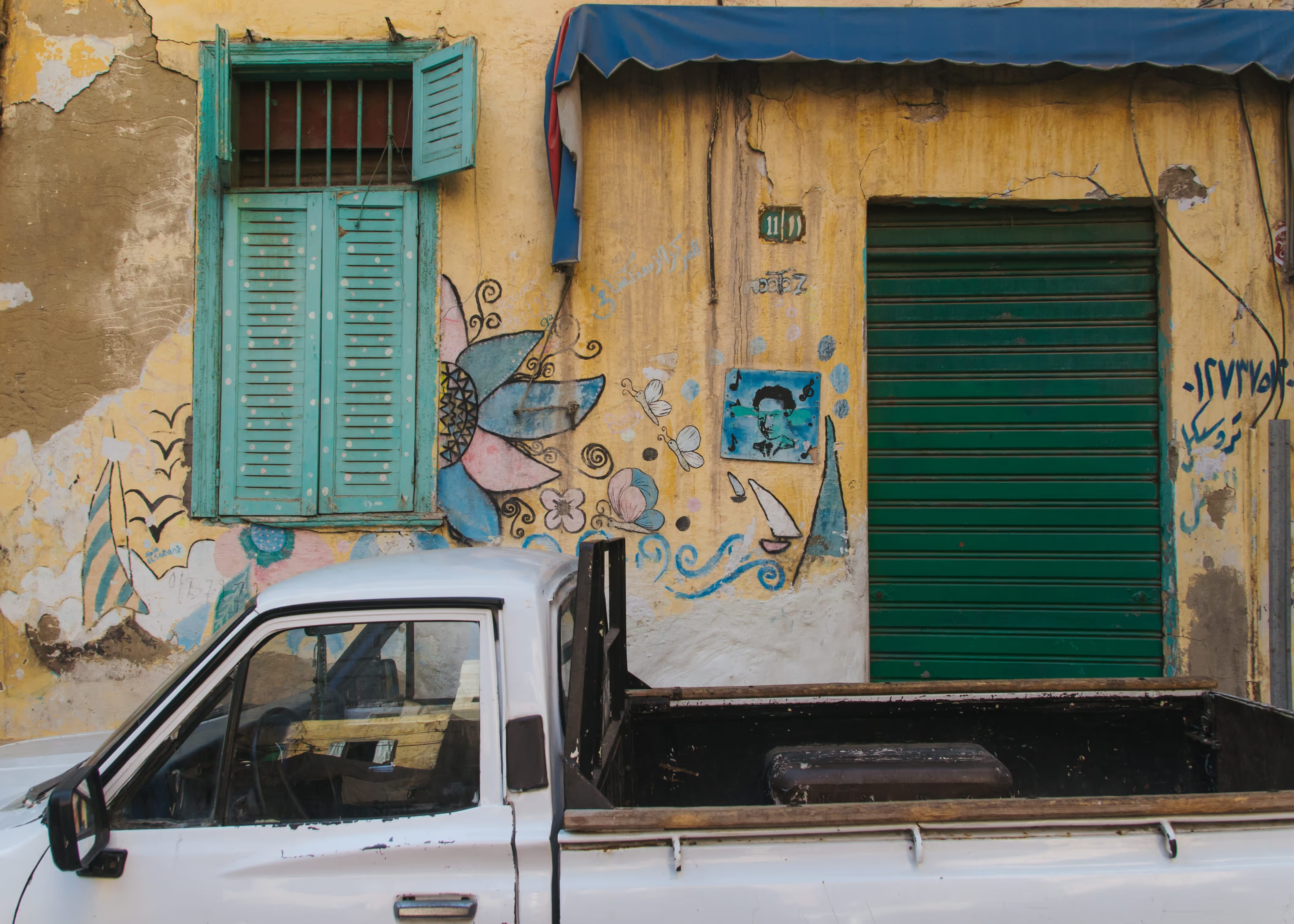

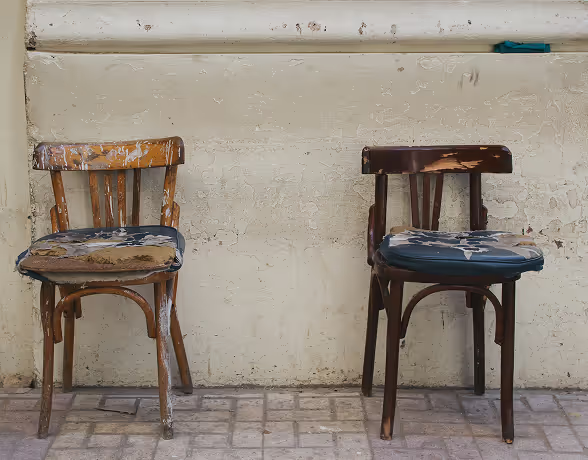
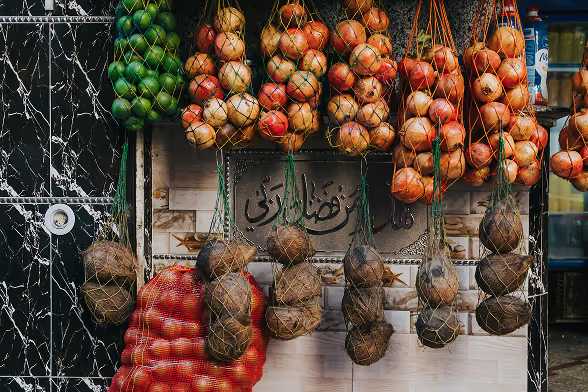

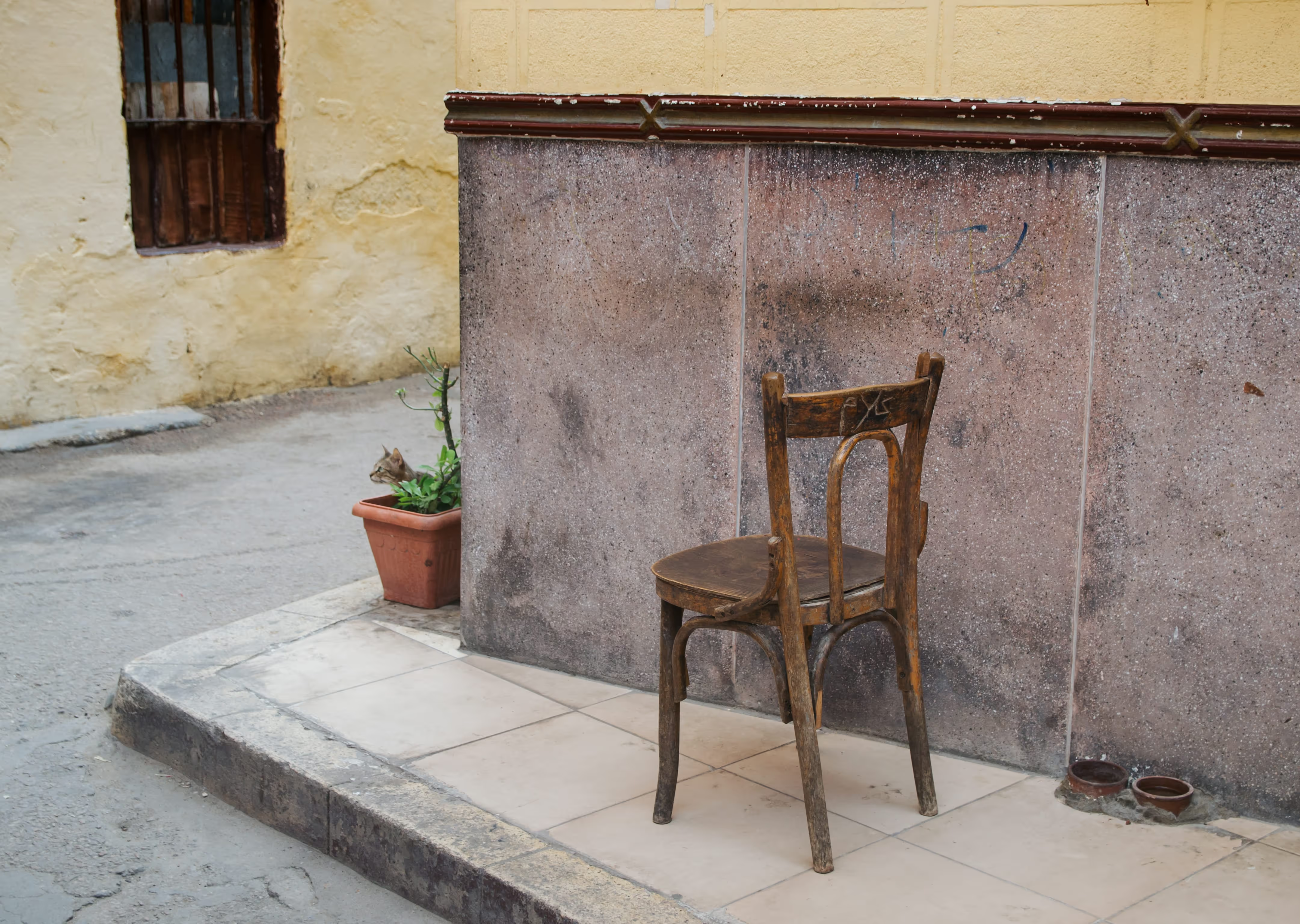
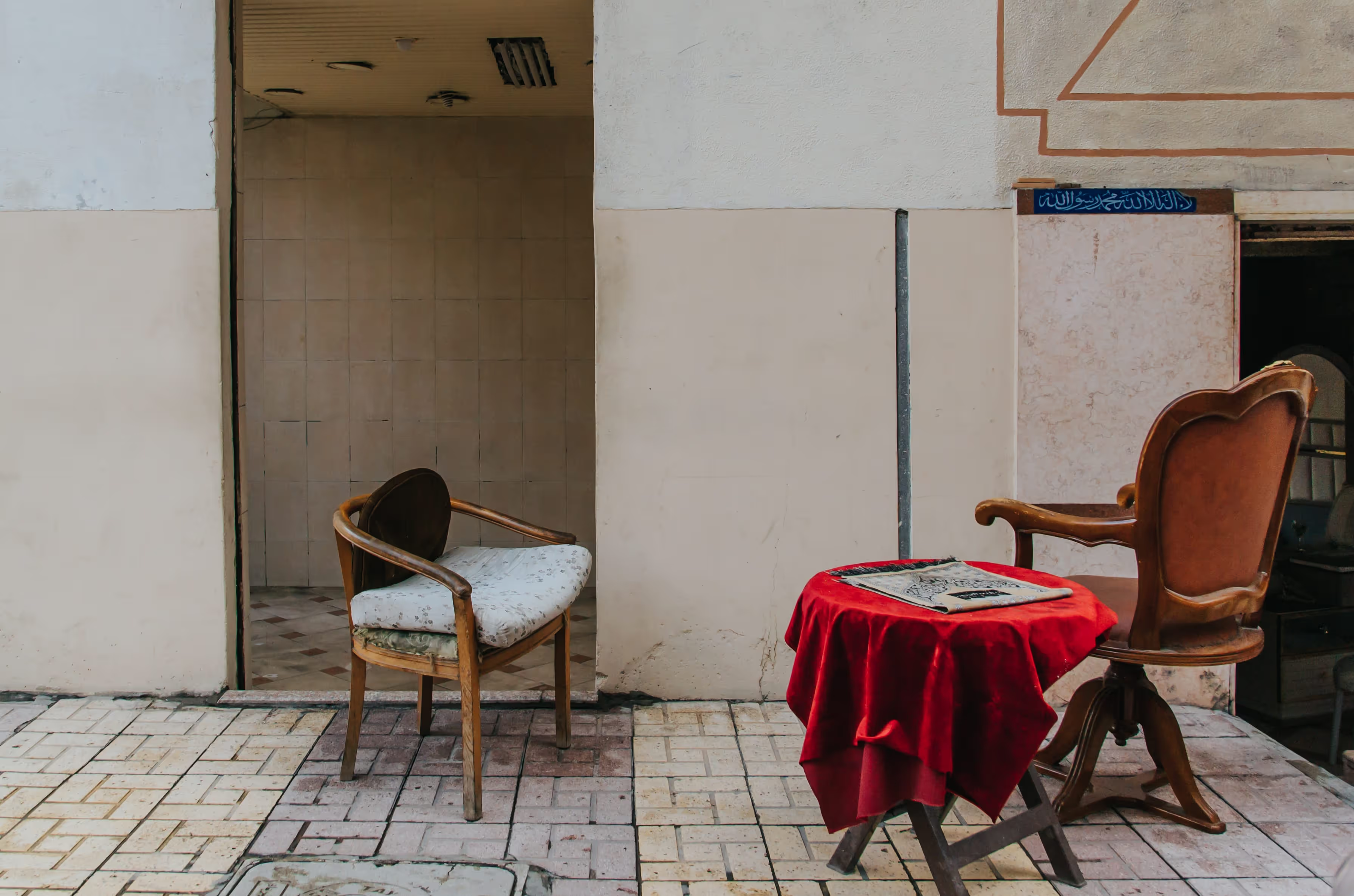
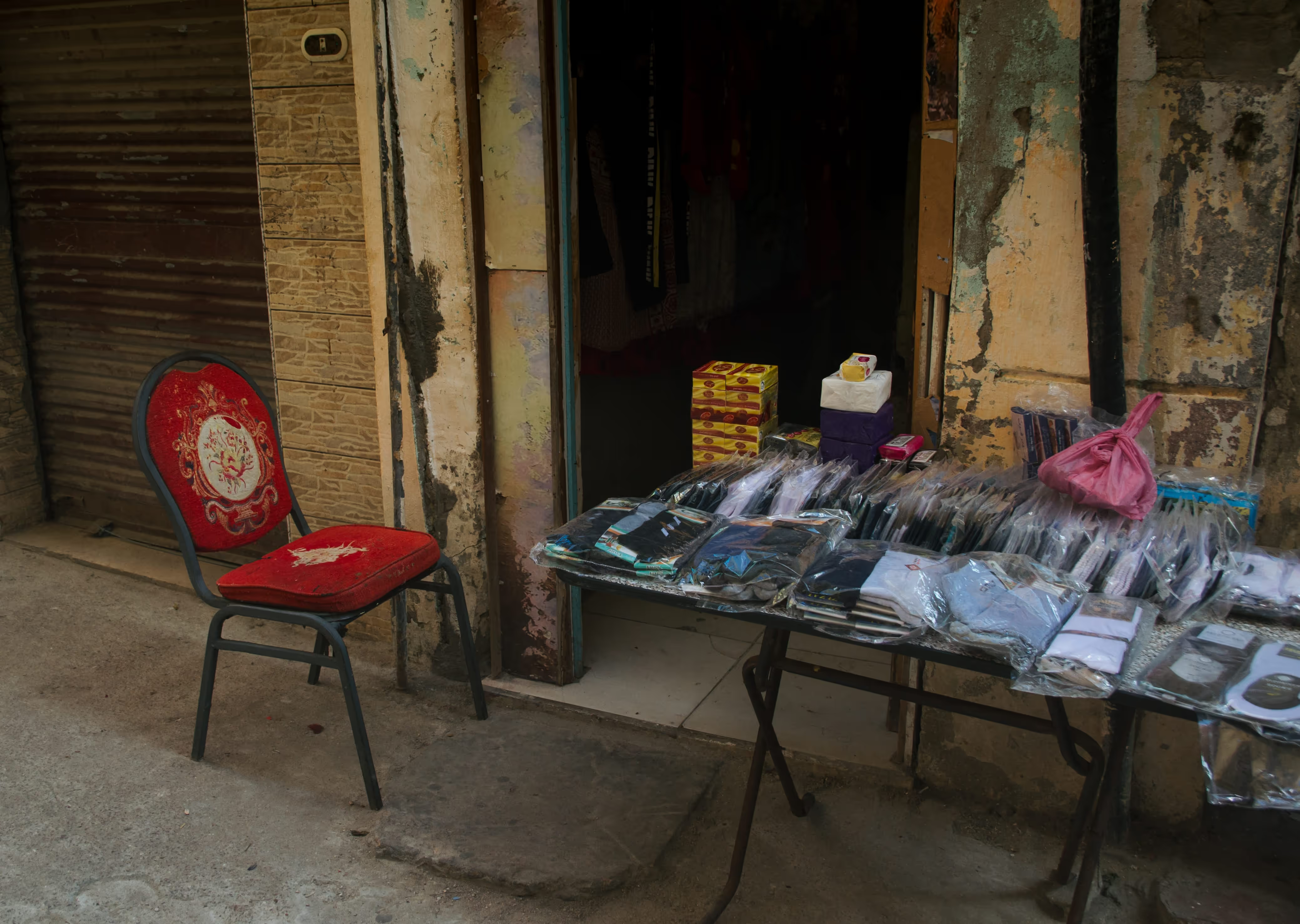
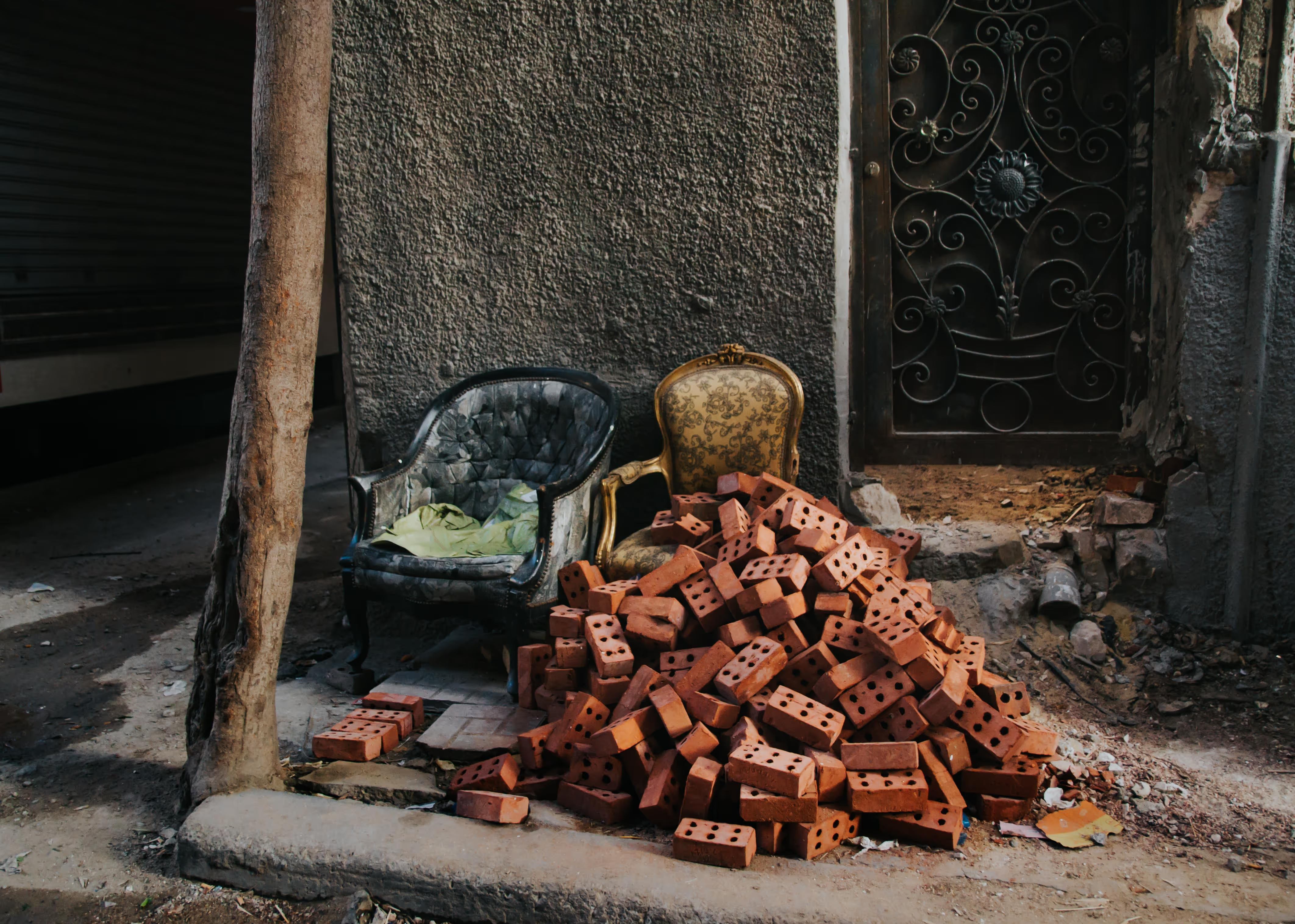
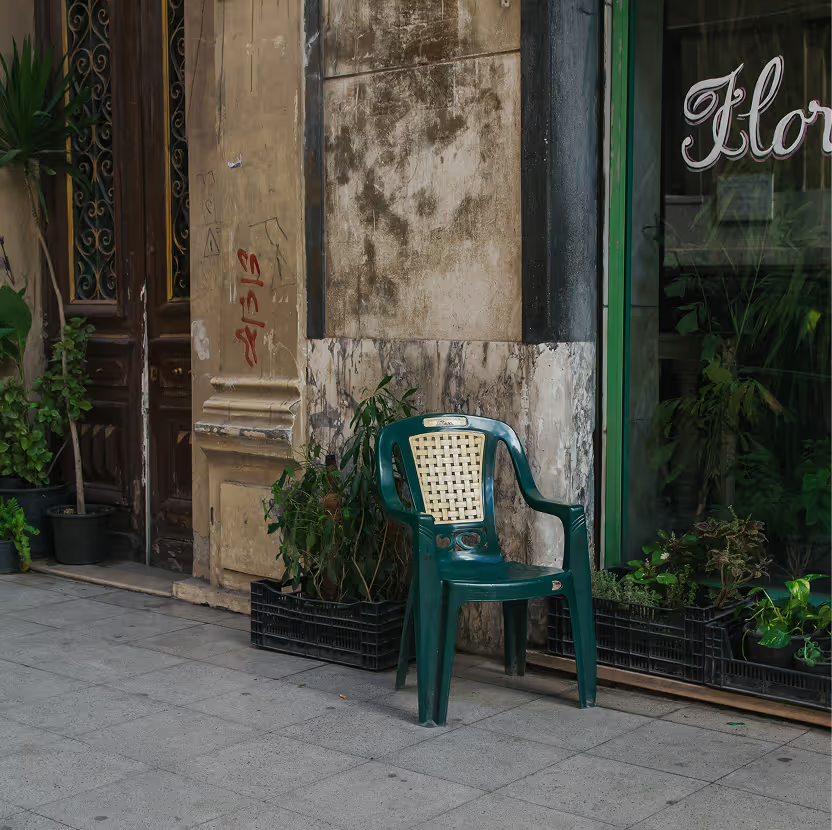
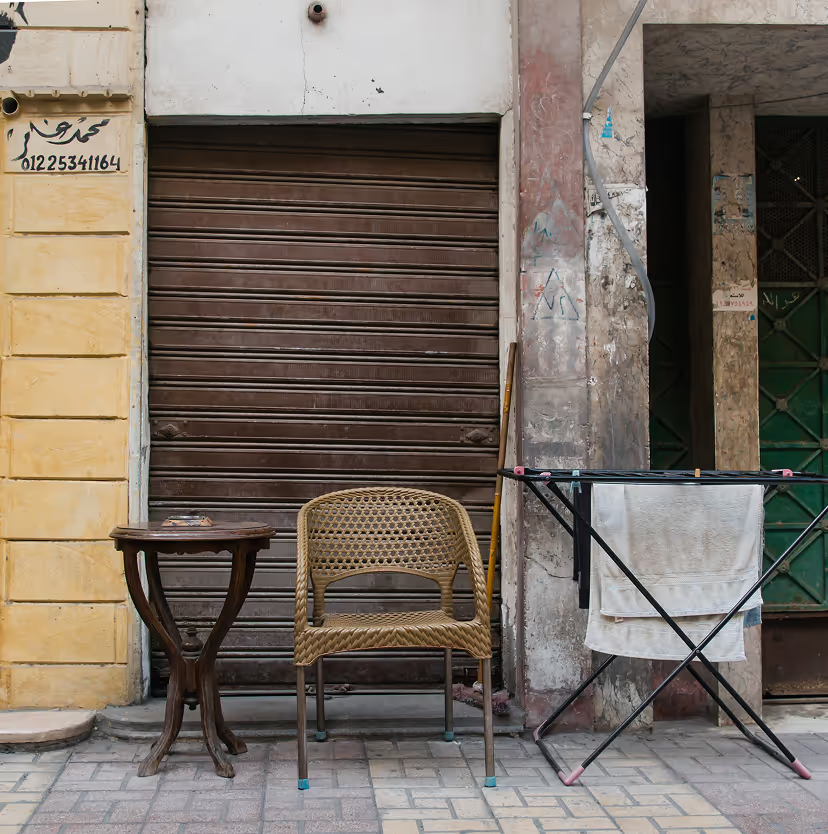
Whenever I'm in the streets, I always come across chairs outside of shops, workshops, and building entryways. I see them, and I think of the person who starts their morning here, finishes their day here, and rests in between their workday duties. No matter how different they are in shape, size, and type, a lot of times these chairs would have starred in a different story –in a previous chapter of their lives.
An expensive, luxurious leather chair –for instance- was once the star of a room in a nice house, only allowed to be used for guests on special occasions. Now - in a later chapter of its life- it has become the chair that lives in the street, for someone entirely different to own and use, and a throne for stray cats. And a wooden chair that was broken once and doomed to be useless, had it not been for its owner, who kept on mending it to give it a new life. This owner mends it time after time, then copes with the new, less stable state of his chair, or less beautiful state, because it is important for him to keep it functioning.
These stories that intertwine between humans and objects create new story lines and new lives. I see through them how sustainability comes naturally from the heart, when it honors values of love, familiarity, and gratefulness.
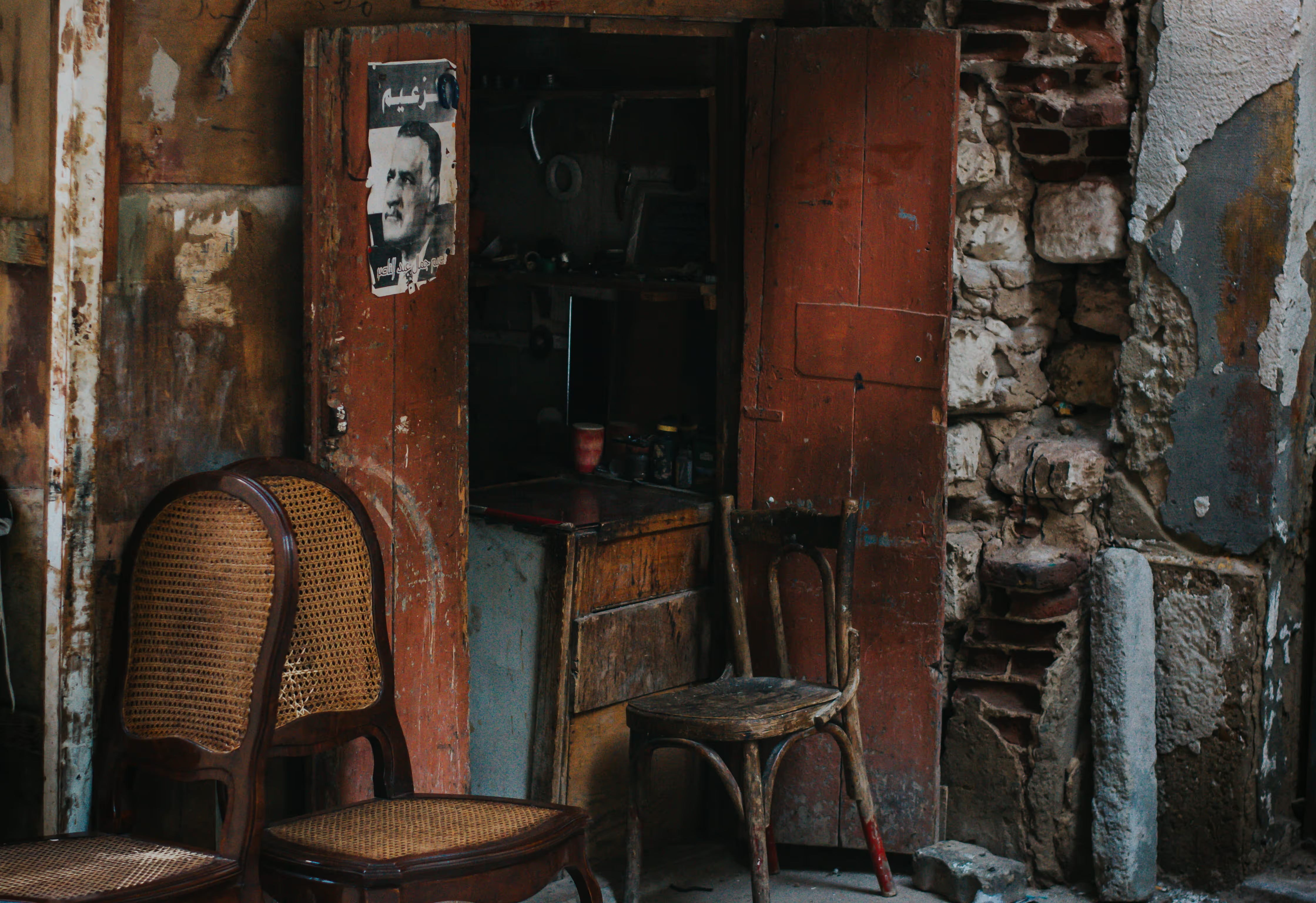
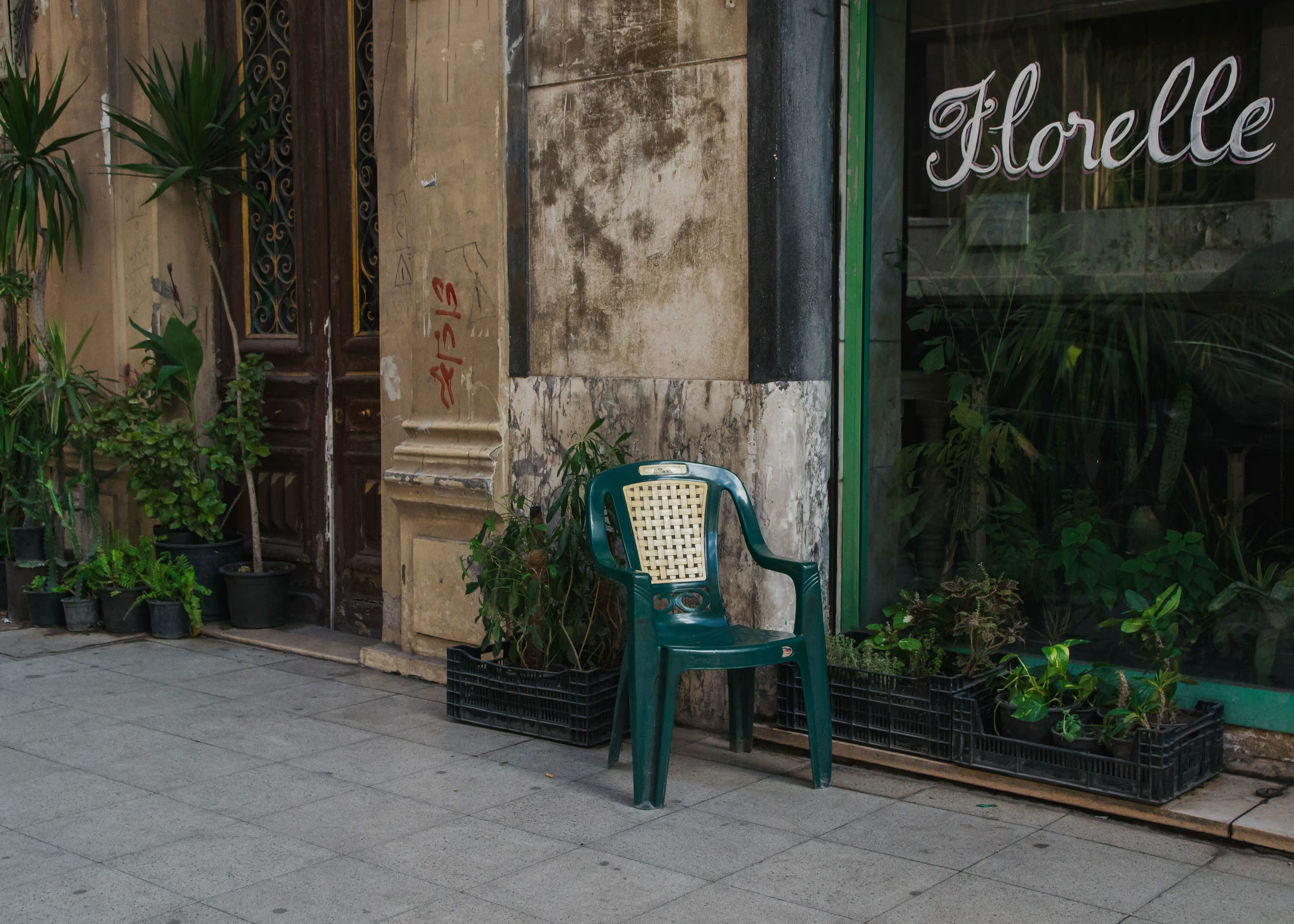
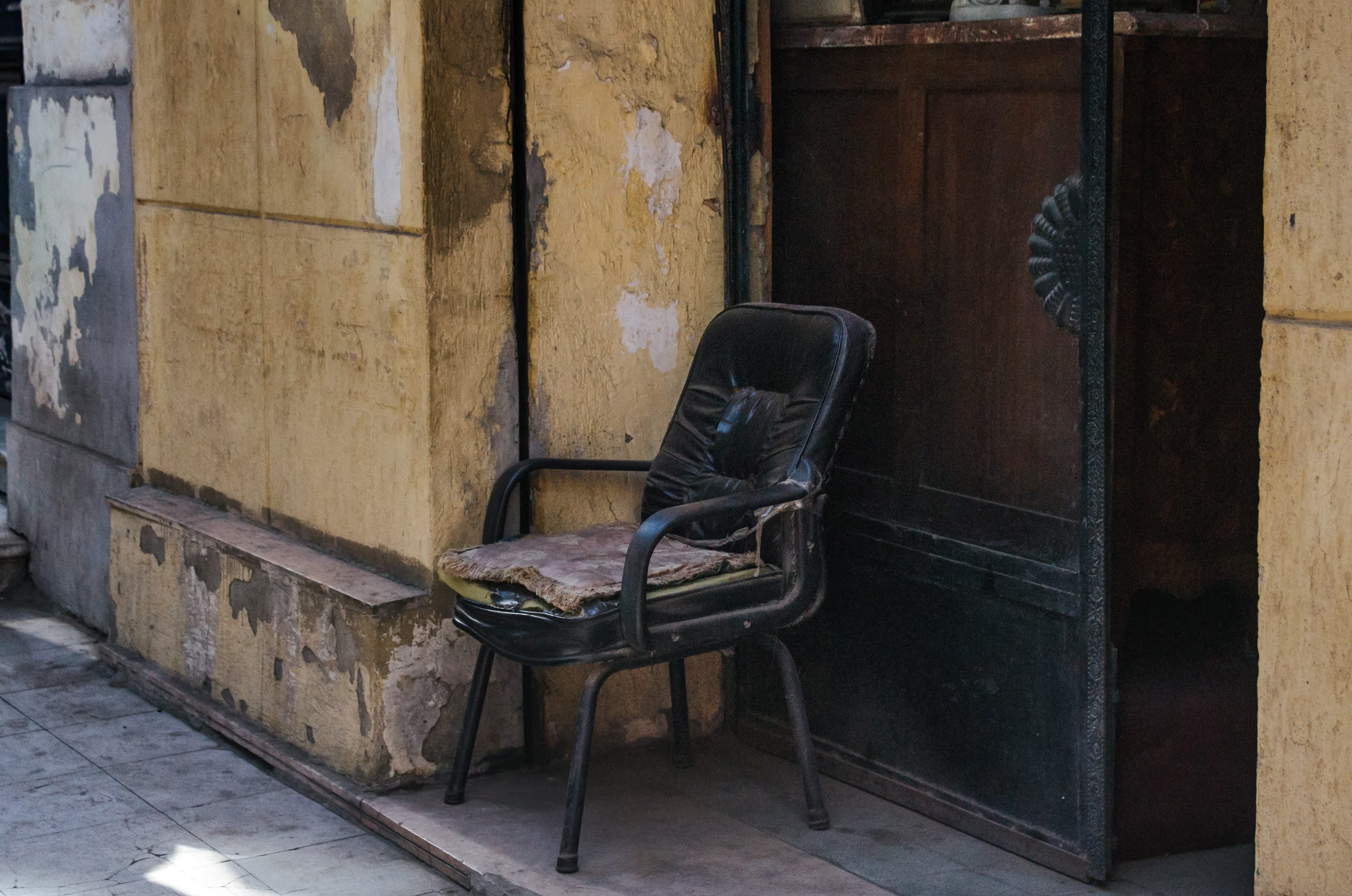
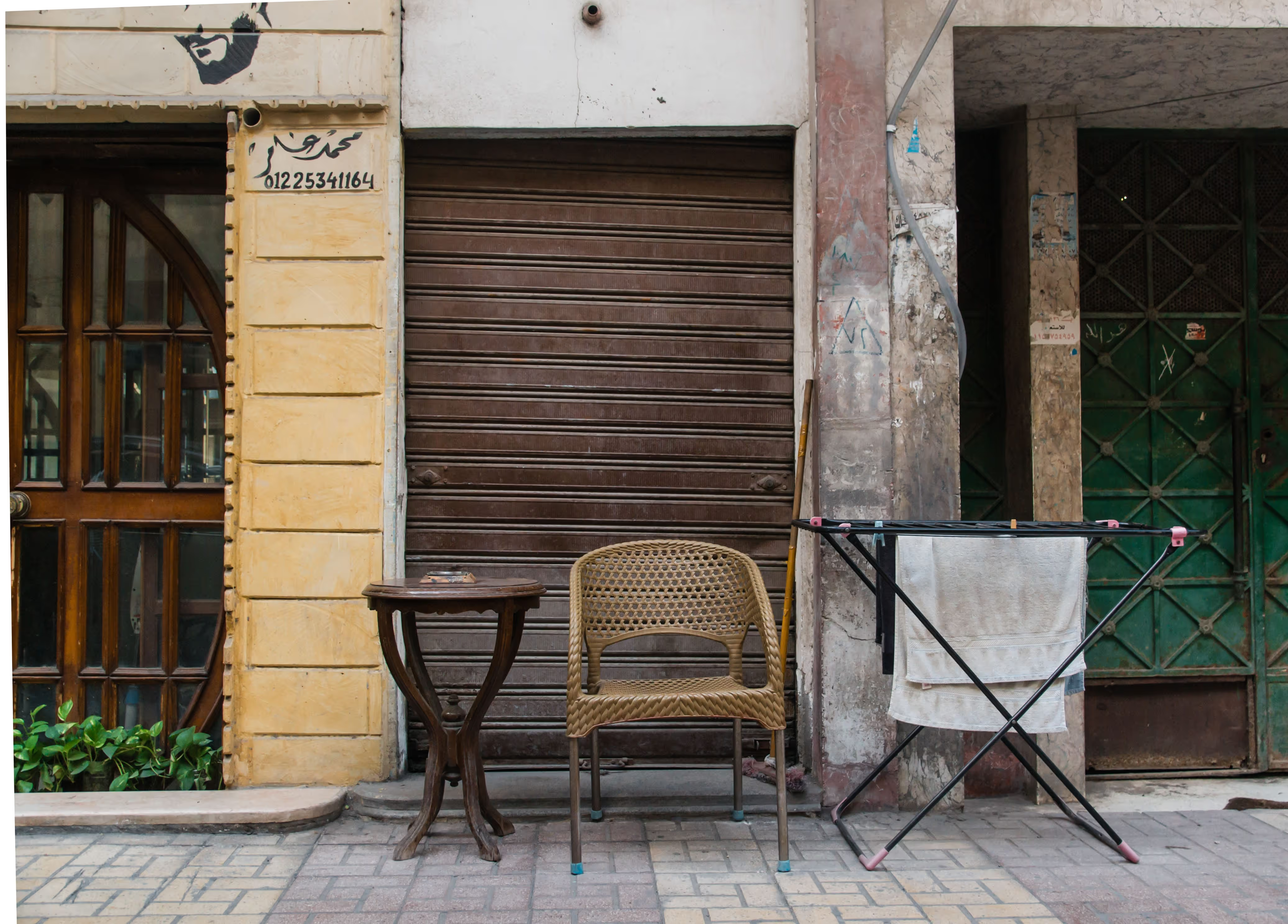
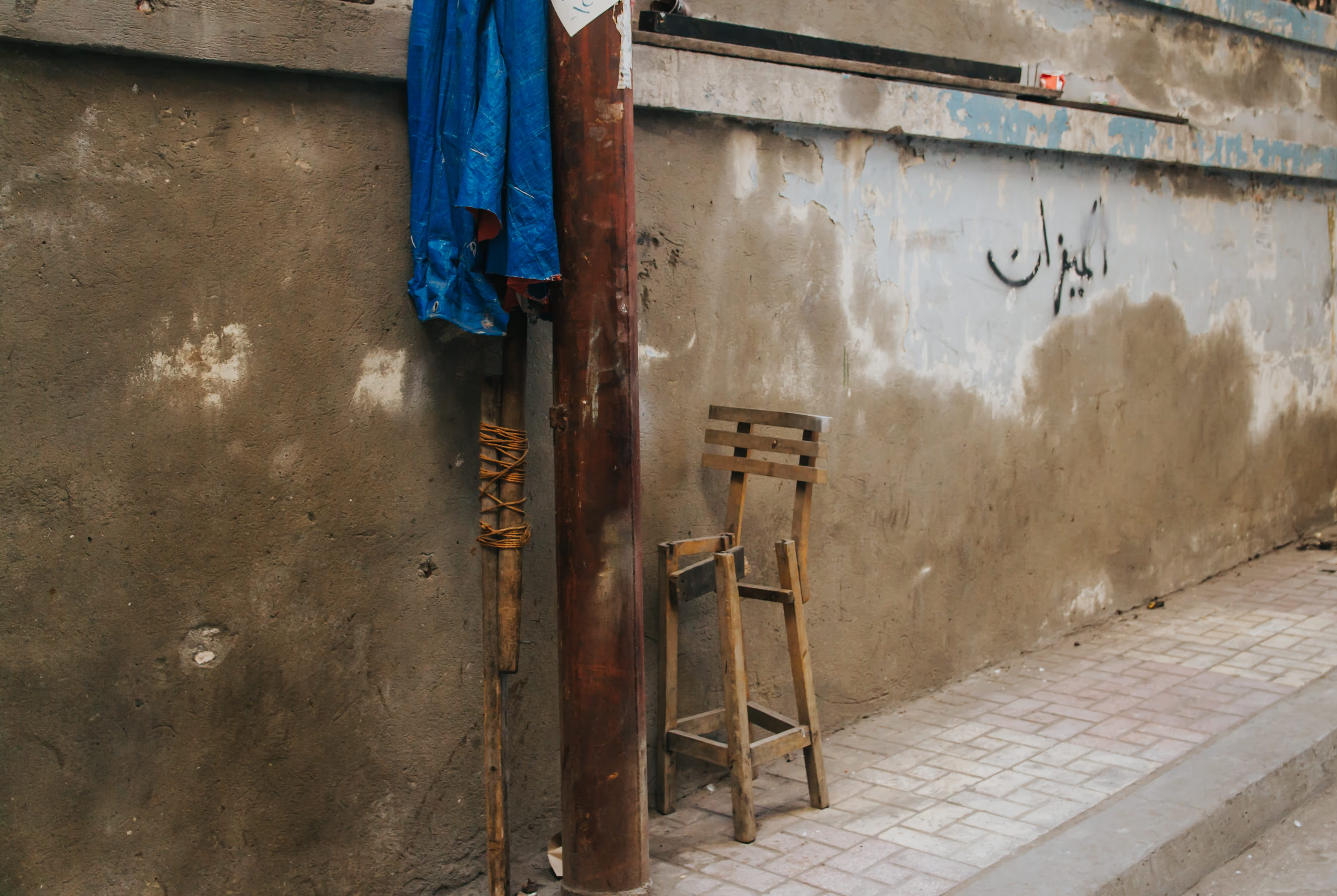
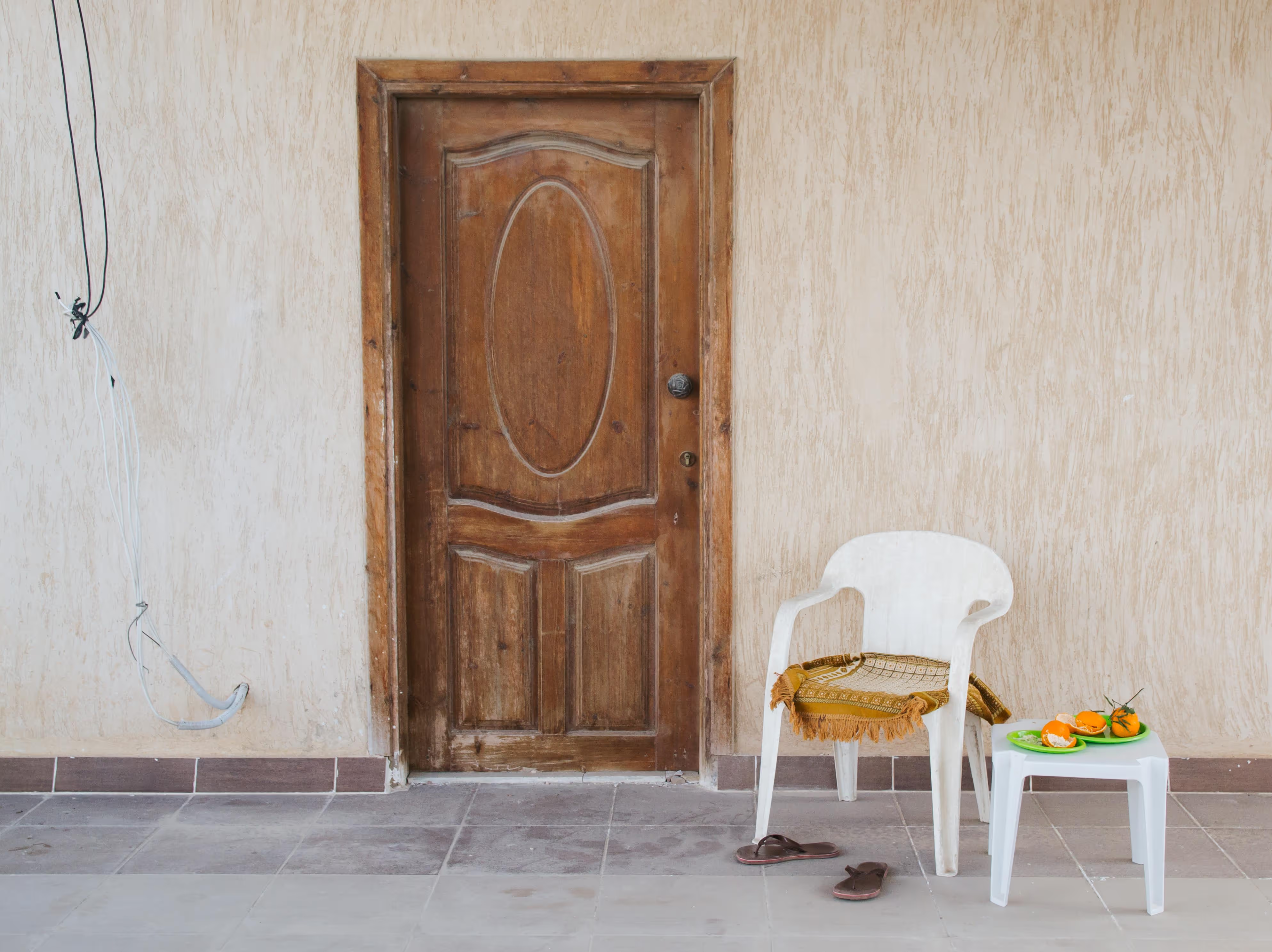
And that's how I fell in love with reading into the world, beyond first glances. For after all; in the details lies the true essence of life.
.svg)

Heba Hamza
An Egyptian female conceptual photographer.
Graduated from the Faculty of Fine Arts, with Interior Design major.
Has been involved in the local art scene for 5 years; participating in local exhibitions and photography contests; locally and internationally.
She enjoys exploring conceptual art as a means of expression, especially topics that have to do with the complex nature of the human being.